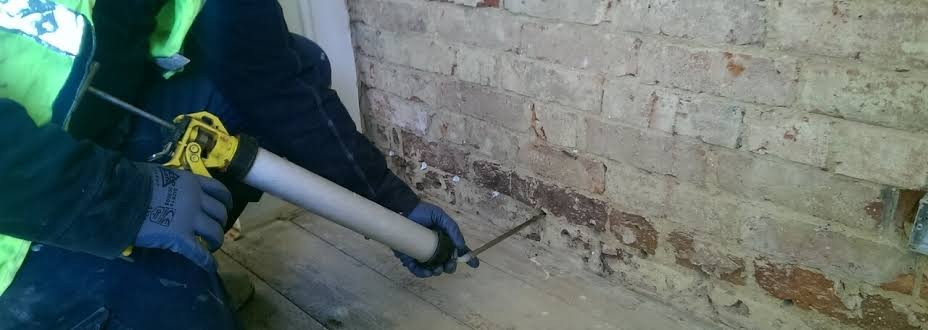
Damp walls are among the most common property problems in London. The city has a large stock of Victorian, Edwardian and Georgian buildings, many of which were constructed long before modern damp proofing methods existed. Combined with a damp climate and heavy rainfall, these older structures often struggle to keep moisture out.
This article explains the main types of wall damp, how to recognise them, what causes them and how they can be treated.
Why Damp Is a Serious Concern for London Properties
Damp is more than a cosmetic issue. When moisture is allowed to remain in masonry, it weakens plaster, damages timber and encourages mould growth. Over time it can reduce the value of a property and affect the health of the people living in it.
Choosing professionals with local experience makes a real difference, and many homeowners turn to London wall damp repair specialists because they understand how the capital’s older brickwork, solid walls and varied soil conditions behave. A specialist can identify the true source of the moisture rather than simply treating the visible symptoms, which is the most common reason damp returns after a cheap repair.
The Main Types of Wall Damp
There are three principal forms of damp, and each needs a different approach.
Rising damp occurs when groundwater travels upward through porous brick and mortar by capillary action. It usually affects the lower part of a wall, rarely climbing higher than about one metre. Many older London homes have a failed or missing damp proof course, which is the barrier designed to stop this movement.
Penetrating damp happens when water enters the building from outside. Cracked render, damaged pointing, faulty gutters, leaking pipes and defective roof tiles are all common causes. It tends to appear as isolated patches that become worse after heavy rain.
Condensation forms when warm, moist indoor air meets a cold surface. Cooking, bathing and drying clothes indoors all add moisture to the air. Where ventilation is poor, moisture settles on walls and windows, often leading to black mould in corners and behind furniture.
Common Signs to Look For
Spotting damp early limits the damage and the cost of repair. Typical warning signs include:
- Peeling paint or wallpaper that bubbles or lifts away from the wall
- A tide mark or stain that sits above the skirting board
- White, powdery salt deposits on the surface of brickwork or plaster
- A persistent musty smell, especially in basements and ground floor rooms
- Black or green mould patches on walls and ceilings
- Skirting boards and floorboards that appear rotten or soft
Because these symptoms can overlap, it is easy to mistake one type of damp for another. For example, condensation is sometimes blamed for a problem that is actually caused by a leaking gutter. A proper survey using a moisture meter and a visual inspection helps establish the real cause.
What Causes Damp in London Buildings
Several factors make London homes particularly vulnerable. Many terraced houses have solid brick walls without a cavity, which means moisture can pass directly from the outside to the inside. Basements and lower ground floors, which are common in the city, sit below ground level and are exposed to groundwater pressure.
Past renovations can also create problems. Cement based render applied to old lime mortar walls, for instance, can trap moisture inside the masonry instead of letting it evaporate. Blocked airbricks, raised external ground levels and neglected drainage add to the risk.
How Damp Is Diagnosed
An accurate diagnosis is the foundation of any successful repair. A surveyor will normally check the moisture levels at different heights on the wall, examine the exterior for defects, inspect the roof and drainage, and assess ventilation inside the property.
In some cases, salt analysis of the plaster is used to confirm whether groundwater is the source. Rushing to apply a chemical treatment or a coat of paint without this step often wastes money and allows the underlying fault to continue.
Treatment Options That Work
The right solution depends on the cause. Common treatments include the following.
Damp proof course installation. For rising damp, a chemical injection into the masonry creates a new water resistant barrier. In some cases a physical membrane may be a better option.
Repairing external defects. Fixing gutters, downpipes, roof tiles and cracked pointing stops penetrating damp at its source. Repointing with a suitable lime mortar is often preferable on historic brickwork.
Replastering. Once the moisture has been dealt with, salt contaminated plaster should be removed and replaced with a specialist renovating plaster that tolerates residual moisture and salts.
Basement waterproofing. Cavity drain membranes and sump pump systems manage water in below ground rooms, directing it away safely instead of trying to block it entirely.
Improving ventilation. Extractor fans, trickle vents and regular airing help control condensation. Maintaining a steady indoor temperature also reduces the chance of moisture settling on cold walls.
Preventing Damp From Returning
Prevention is largely a matter of regular maintenance. Clearing gutters each autumn, checking the roof after storms, keeping airbricks clear and making sure external soil sits below the damp proof course all help.
Indoors, using extractor fans while cooking and bathing, avoiding drying laundry on radiators in unventilated rooms and heating the home evenly can keep condensation under control. An annual inspection of vulnerable areas allows small problems to be caught before they become costly repairs.
Conclusion
Wall damp is a widespread issue in London, but it is also one that can be managed with the right knowledge and professional support. Understanding the difference between rising damp, penetrating damp and condensation is the first step, followed by an accurate survey and a treatment matched to the actual cause. Quick fixes rarely last, while a well planned repair protects both the structure of the building and the wellbeing of its occupants.
For a reliable diagnosis and a long lasting solution, working with experienced London wall damp repair specialists gives homeowners confidence that the problem is resolved at its source and that their property stays dry for years to come.