What Makes a Great Office Space?
Walking into an office should feel like stepping into a brand’s story — the layout, the lighting, the furniture, and even the wall colours all speak before a single word is exchanged. Businesses today understand that a thoughtfully designed workspace is no longer a luxury; it is a competitive advantage. Commercial interior design is the professional process of planning, designing, and transforming business spaces into functional, aesthetically compelling environments that serve both people and purpose. Whether you are building a brand-new headquarters or refreshing an outdated workspace, the quality of your interior directly shapes how your clients perceive you and how your employees perform every day.
The Business Case for a Well-Designed Office
First impressions are formed within seconds — and that applies just as much to your office environment as it does to your website or storefront. A polished, cohesive workspace communicates professionalism, stability, and attention to detail to every visitor who walks through the door. Clients, investors, and talent all make quick judgements based on what they see, and a disorganised or visually uninspiring environment can quietly undermine trust before any conversation begins.
Beyond perception, a well-designed office directly impacts the bottom line. Research consistently shows that employees who work in thoughtfully designed environments report higher levels of focus, morale, and satisfaction. Ergonomic furniture reduces fatigue and absenteeism. Optimised circulation paths cut down wasted movement and time. Better acoustics improve concentration. Every dollar invested in quality workspace design tends to return significant value through enhanced productivity and reduced staff turnover.
Understanding the Design Process From Brief to Build
A successful office transformation does not happen overnight. It begins with a deep discovery phase, where designers sit down with business owners, HR teams, and key stakeholders to understand the organisation’s goals, culture, headcount, workflow dynamics, and future growth plans. This listening stage is arguably the most critical because design decisions made without context can result in spaces that look beautiful but fail to function effectively.
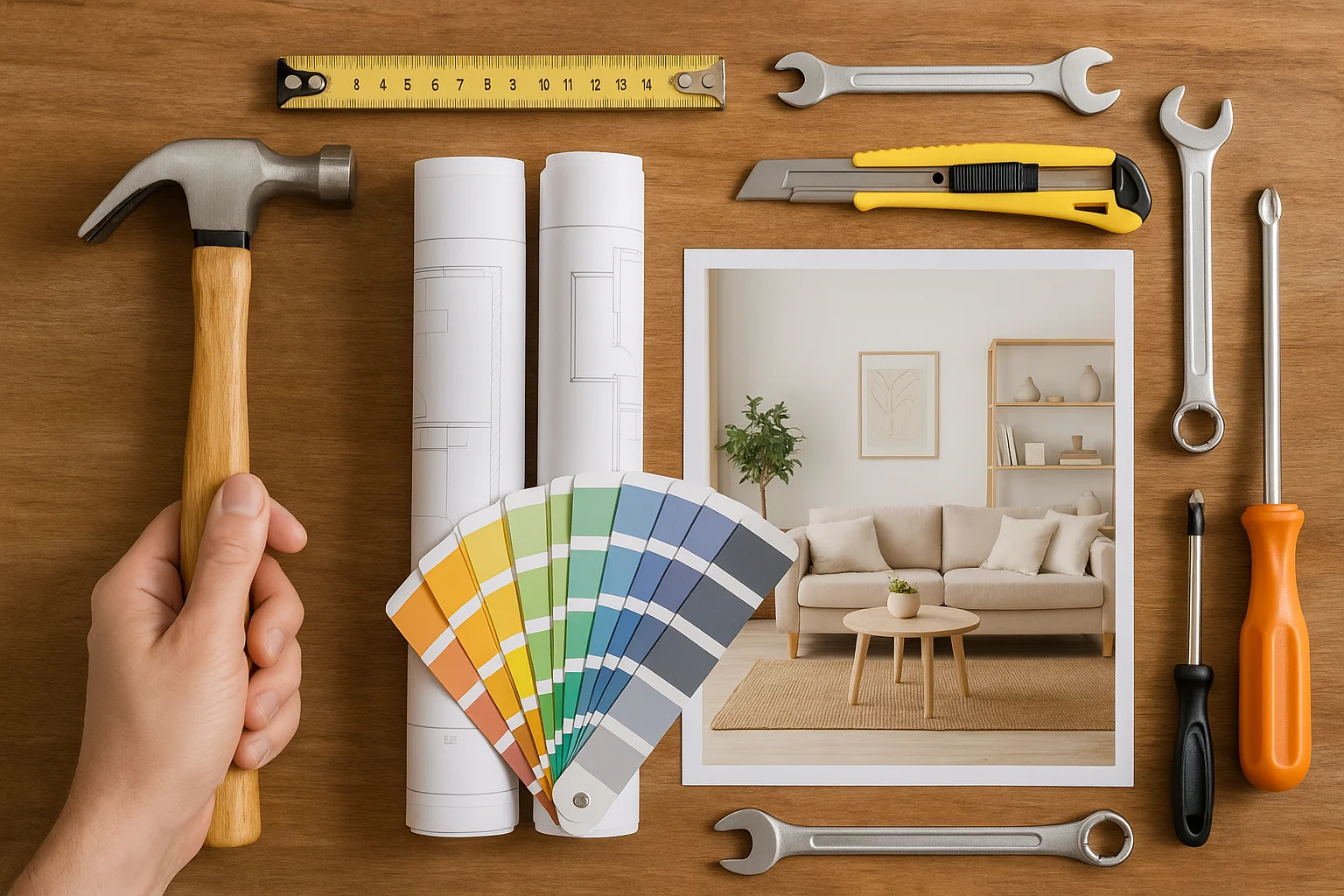
From the initial brief, the design team develops concept directions — typically presented as mood boards, 3D renders, and material samples. This visual storytelling phase allows clients to see potential outcomes before any money is committed to construction. Once a direction is approved, detailed technical drawings, furniture schedules, and finish specifications are prepared. Project management then takes over, coordinating contractors, suppliers, and installation timelines to ensure delivery is on schedule and within budget. The best firms manage this end-to-end process seamlessly so that business operations face minimal disruption.
Space Planning: The Foundation of Every Office
Before selecting a single piece of furniture or choosing a paint colour, getting the spatial layout right is absolutely essential. Space planning is the strategic process of allocating areas within a floor plate to serve specific functions — workstations, meeting rooms, breakout zones, reception areas, server rooms, and pantry spaces. A thoughtful plan balances the need for focused individual work with the energy of collaborative team spaces.
Open-plan layouts have dominated office design for over a decade, but the modern approach is more nuanced. Smart designers now create zoned environments — quiet focus pods for deep work, informal lounge areas for spontaneous brainstorming, and formal conference rooms for structured meetings. This layered approach respects different work styles and ensures the office caters to the full spectrum of daily activities. Traffic flow is carefully considered too, ensuring that movement between zones feels intuitive and never creates bottlenecks.
Brand Identity Embedded Into Every Detail
One of the most powerful things a great office interior achieves is the seamless expression of a company’s brand identity. Colours drawn from brand guidelines, materials that reflect the company’s values, signage, artwork, and even the type of plants chosen — all of these elements come together to tell a coherent visual story. When employees and visitors experience a space that feels consistent with the company’s identity, it reinforces culture and strengthens brand loyalty from the inside out.
Commercial interior design done at the highest level goes far beyond selecting furniture catalogues. It involves a creative translation of mission, vision, and values into a three-dimensional experience. A technology company might lean into clean lines, glass partitions, and cool metallic finishes communicating innovation. A creative agency might favour exposed brick, bold artwork, and flexible furniture to express agility and imagination. A financial services firm might choose warm wood tones, structured layouts, and refined finishes to convey trust and precision. Every business has a unique identity, and the best office interiors make that identity physically tangible.
Lighting, Materials, and the Sensory Experience
Lighting is one of the most underestimated elements in office design, yet it has a profound effect on both mood and productivity. Natural light should be maximised wherever possible through thoughtful space planning that positions workstations near windows. Where natural light is limited, layered artificial lighting — combining ambient, task, and accent sources — ensures the environment feels dynamic rather than flat or clinical. Circadian lighting systems that shift colour temperature throughout the day are increasingly popular for supporting employee wellbeing.
Material selection plays an equally important role. Durable, easy-to-maintain finishes are practical requirements in high-traffic commercial environments, but that does not mean sacrificing beauty. Textured wall panels, warm timber flooring, acoustic ceiling tiles, and tactile upholstery all contribute to a sensory richness that makes a space feel premium and considered. Acoustic management, in particular, has become a priority in modern office design — absorptive materials strategically placed across walls, floors, and ceilings help control noise levels and create a more focused working atmosphere without the sterile feel of complete silence.
Sustainability in Modern Office Design
Today’s businesses are rightly placing sustainability at the centre of their commercial decisions, and office design is no exception. Green interior design principles focus on reducing environmental impact through material choices, energy efficiency, and spatial flexibility. Reclaimed wood, recycled metal, low-VOC paints, and sustainably sourced fabrics are all materials that responsible designers now incorporate as standard rather than as premium add-ons.
Energy-efficient LED lighting systems, smart climate controls, and designs that maximise natural ventilation all contribute to reduced operational costs over the life of a building. Beyond the environmental benefits, sustainable offices have strong appeal for attracting and retaining top talent — particularly among younger generations who place genuine importance on working for companies that demonstrate environmental responsibility. Certifications such as Green Mark or LEED are increasingly sought after as markers of credibility and forward-thinking business practice.
Choosing the Right Commercial Interior Design Partner
Selecting the right design firm for your office project is a decision that deserves careful thought. Look for a team with a proven portfolio of commercial projects across a variety of scales and industries. A versatile track record demonstrates the ability to adapt to different briefs rather than simply applying a single signature style to every project. Ask to see case studies that include not just the finished photography but also evidence of problem-solving — how did the team handle budget constraints, tight timelines, or structural challenges?
Communication style and process transparency are equally important. Your design partner should be able to clearly explain every phase of the project, set realistic expectations on timelines and costs, and provide regular updates throughout the build. The best firms operate with a single point of contact who bridges the gap between the creative vision and the construction team, eliminating the frustration of miscommunication. Finally, look for a designer who asks as many questions as they answer — a great office begins with a great listening ear.
Investing in a Space That Works as Hard as You Do
Your office is one of your most visible and enduring business assets. It shapes first impressions, drives daily performance, reflects your brand values, and plays a direct role in your ability to attract and retain the people who power your growth. The return on investment from a professionally designed workspace is measurable — in productivity, in client confidence, in staff satisfaction, and in the simple competitive edge of walking into a meeting room that clearly signals you mean business.
Whether you are fitting out a brand-new office, reimagining a legacy workspace, or expanding into a new location, investing in professional commercial interior design ensures that your environment evolves in step with your ambitions. With the right design partner by your side, your office becomes more than a place where work happens — it becomes a strategic tool that actively supports everything your business is working to achieve.