Interior design often receives most of the attention during a home improvement project, but the exterior creates the first impression. Brick walls, stone accents, chimneys, steps, and patios all contribute to the character of a property. When these elements are properly maintained, they can also provide decades of reliable performance.
Thoughtful masonry care is therefore about more than repairing visible damage. It is an important part of preserving both the appearance and long-term condition of a home.
Why Masonry Matters to Exterior Design
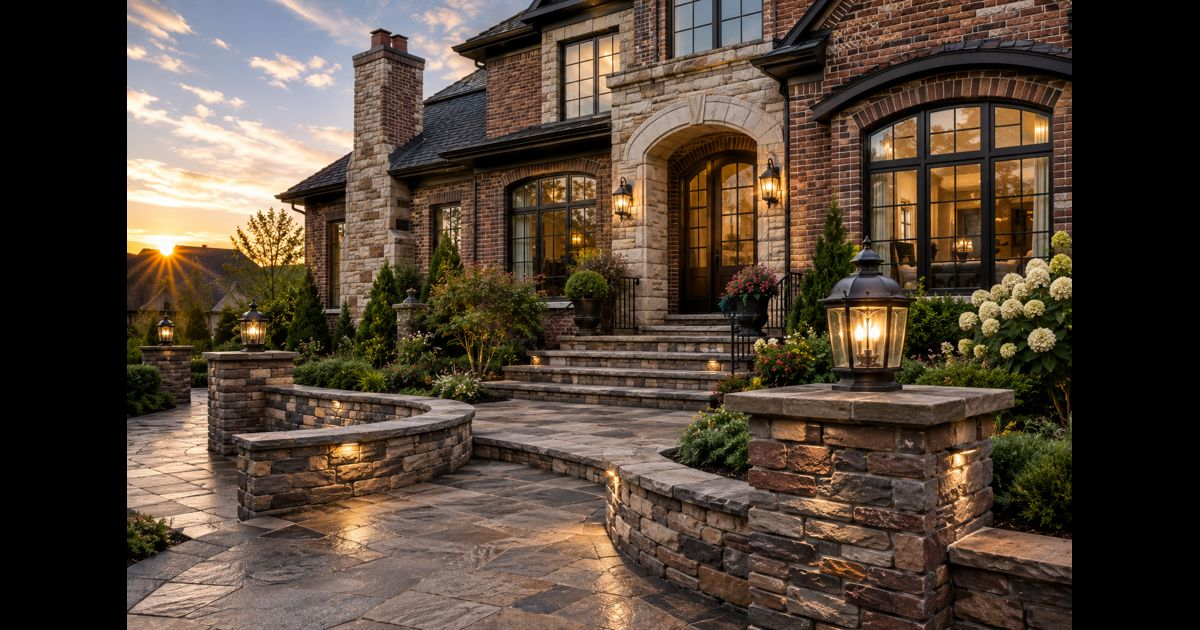
Brick and natural stone have a timeless quality that works with many architectural styles. Traditional homes may feature red or brown brick, while contemporary properties often combine masonry with wood, glass, metal, or neutral siding.
Because masonry is both structural and decorative, even small details can influence the overall appearance of a property. Clean mortar lines, consistent brickwork, attractive stone accents, and well-maintained steps can make an exterior feel polished and cohesive.
The opposite is also true. Cracked mortar, loose bricks, staining, or deteriorated joints can make an otherwise attractive home appear neglected.
Small Problems Can Affect More Than Appearance
Exterior masonry is constantly exposed to rain, snow, sunlight, and temperature changes. Moisture is particularly important to watch because it can enter deteriorated mortar joints or small cracks.
In climates with freezing winters, trapped moisture may expand as temperatures fall, gradually worsening existing deterioration. Over time, homeowners may notice crumbling mortar, cracked bricks, loose masonry, or areas where water repeatedly enters the structure.
Early attention is generally easier than waiting until deterioration becomes extensive. Periodically inspecting exterior walls, chimneys, steps, and other masonry features can help identify changes before they develop into larger repair projects.
When damage is difficult to evaluate, consulting experienced professionals can help determine whether a problem is primarily cosmetic or requires repair. For example, TOP Masonry & Tuckpointing’s team works with brick, stone, mortar joints, masonry restoration, and other exterior masonry elements, making professional assessment useful when the extent of deterioration is unclear.
Mortar Joints Deserve Special Attention
Homeowners often focus on the bricks themselves, but mortar joints are equally important. Mortar helps bind individual masonry units together while protecting the wall from moisture intrusion.
As mortar ages, it can become brittle, recessed, cracked, or loose. Tuckpointing or repointing may be used to remove deteriorated material and restore the joints with compatible mortar.
Besides improving durability, fresh and carefully finished mortar joints can noticeably refresh an exterior. This makes masonry maintenance relevant not only to structural preservation but also to curb appeal.
Use Masonry to Create a Cohesive Outdoor Space
Masonry does not have to stop at the exterior walls. Repeating similar materials throughout an outdoor area can create a more intentional design.
For example, brick from the house may be echoed in garden borders, steps, or a patio. Natural stone accents can connect a facade with walkways or outdoor living spaces. Even when exact materials are not repeated, coordinating their tones and textures can help different parts of the property feel connected.
The key is moderation. Too many competing masonry colors, patterns, and materials can make an exterior appear busy. A limited material palette usually creates a cleaner and more timeless result.
Maintenance Helps Preserve the Original Character
One of the advantages of quality masonry is its longevity. Unlike exterior finishes that may require frequent replacement, brick and stone can remain attractive for generations when appropriately maintained.
Regular visual inspections, gentle cleaning when necessary, attention to drainage, and timely mortar or brick repairs can help preserve that durability. Homeowners should also avoid aggressive cleaning techniques or inappropriate coatings that could trap moisture or damage masonry surfaces.
For older homes in particular, repairs should complement the existing materials rather than simply covering deterioration. Matching mortar characteristics, brick dimensions, color, and texture can help preserve the architectural character of the property.
A Better Exterior Starts With the Details
Successful home design is not limited to furniture, paint colors, and interior finishes. The materials surrounding the home are equally important to its overall appearance and performance.
Well-maintained masonry can provide texture, character, durability, and a strong visual foundation for the rest of an exterior design. By addressing deterioration early and making thoughtful material choices, homeowners can preserve existing brick and stone while creating outdoor spaces that continue to look attractive for years to come.