We live in an era defined by aggressive, uncompromising sterilization. If you walk down the cleaning aisle of any modern American grocery store, you will be met with a towering wall of products promising to eradicate 99.9 percent of all known germs. We buy antibacterial hand soaps, heavy-duty bleach pods for our laundry, concentrated chemical drain openers, and heavy-duty disinfectants for our countertops.
This modern obsession with sanitation makes perfect sense for keeping our kitchen surfaces safe and our families healthy. However, this same relentless chemical warfare is creating a massive, invisible crisis just a few feet beneath our lawns. By heavily prioritizing a sterile environment inside the house, homeowners are systematically killing the delicate, living ecosystems required to process their waste outside the house.
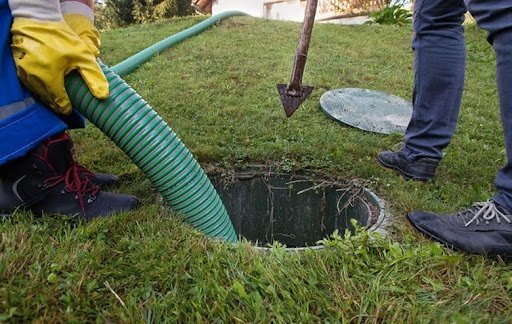
To understand why this is happening, you have to fundamentally change how you view decentralized wastewater infrastructure. A subterranean holding tank is not a magical trash can where water simply disappears. It is a highly active, living, breathing stomach.
The Anatomy of a Microscopic Workforce
When wastewater leaves your home, it enters a dark, oxygen-deprived environment. Here, a massive colony of naturally occurring anaerobic bacteria goes to work. This microscopic workforce is the absolute core of the entire sanitation process.
Their job is to rapidly consume and break down complex organic waste. As they feed, they separate the incoming material into three distinct layers. Heavy solids fall to the very bottom to create a layer of sludge. Lighter materials like fats, oils, and greases float to the top to form a scum layer. What remains in the middle is a relatively clear liquid known as effluent.
This separation is critical. Only the clear effluent is supposed to leave the tank and flow out into the surrounding soil trench, known as the drainage field, where it is naturally filtered back into the earth. As long as the bacteria are healthy and actively digesting the waste, the sludge and scum layers grow at a very slow, manageable rate.
The Unintended Consequences of Chemical Warfare
The crisis begins when we forget that the bacteria in this underground tank share the same biological vulnerabilities as the bacteria on our kitchen counters.
When you scrub your sink with concentrated bleach, pour excess antibacterial soap down the drain, or use harsh chemical drain uncloggers, those chemicals do not lose their potency once they slip past the sink strainer. They travel directly into the underground holding tank, where they do exactly what they were manufactured to do: they massacre bacteria indiscriminately.
A single bottle of heavy-duty chemical drain opener can wipe out a significant percentage of the active biome in a matter of hours. The frequent use of antibacterial soaps and heavy-duty laundry detergents creates a toxic baseline that prevents the colony from ever fully recovering.
When the bacteria die off, the entire digestive process grinds to a devastating halt. The solid waste that enters the tank is no longer broken down. As a result, the sludge layer at the bottom of the tank begins to accumulate at an alarming and unnatural rate.
The Cascading Failure of the Drainage Field
If the sludge layer grows too high, it eventually breaches the middle liquid layer. The thick, undigested solid waste is then pushed out of the holding tank and forced directly into the delicate network of perforated pipes that make up the drainage field.
This is the point of no return. The surrounding soil is designed to absorb and filter clear liquid, not thick sludge. The suspended solids quickly clog the microscopic pores in the dirt. An impermeable, slimy layer forms in the trenches, completely suffocating the soil. Once the ground can no longer absorb liquids, the wastewater has nowhere to go. It will either pool on the surface of your lawn, creating a foul-smelling biohazard, or back up violently into the lowest drains inside your home.
Reversing this level of damage is incredibly difficult. Once a drainage field is completely suffocated by undigested solids, no amount of pumping will save it. The entire network of pipes and contaminated soil must be excavated and replaced, a massive landscaping project that often costs tens of thousands of dollars.
Restoring the Biological Balance
Protecting this fragile underground ecosystem requires a major behavioral shift. Homeowners must balance their desire for a clean house with the biological needs of their wastewater infrastructure.
This starts by reading labels. Transitioning to biodegradable, eco-friendly cleaning products that are explicitly labeled as safe for subterranean systems is the most effective first step. Instead of relying on harsh bleach for every load of laundry, oxygen-based cleaners can achieve excellent results without annihilating the bacterial colony.
Furthermore, household water usage plays a supporting role in maintaining this balance. Doing five loads of laundry in a single afternoon not only flushes high concentrations of detergent into the biome at once but also creates a hydraulic surge. This massive influx of water can literally wash the helpful bacteria out of the tank before they have time to reproduce. Staggering water usage throughout the week ensures the bacteria have a calm, chemically stable environment in which to thrive.
Ultimately, treating this infrastructure as a living organism is the key to maximizing the lifespan of septic system components and avoiding financial disaster. By putting down the antibacterial bleach and respecting the microscopic workforce living beneath the soil, we can ensure that our modern sanitation systems continue to protect our homes for decades to come.