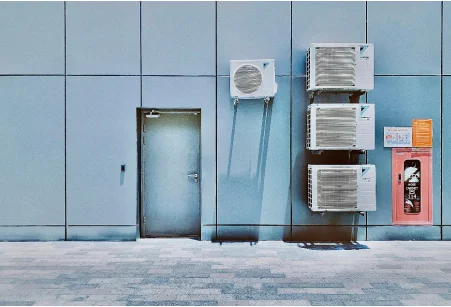
A well-functioning commercial HVAC system is the cornerstone of a comfortable and productive workspace. It regulates indoor temperatures, maintains air quality, and ensures that both employees and customers experience a pleasant environment.
In a place like New Canaan, CT, where the weather can shift dramatically between seasons, the importance of keeping an HVAC system efficient becomes even more apparent.
A neglected system not only consumes more energy but also shortens the lifespan of its components and increases the risk of unexpected failures. This guide outlines essential practices to maintain an efficient commercial HVAC system year-round.
Regular Inspections and Preventive Maintenance
The first and most crucial step in maintaining commercial HVAC systems is scheduling regular inspections and preventive maintenance. Finding experts who specialize in commercial HVAC in New Canaan, CT, ensures that your system operates efficiently throughout the year.
As the area itself is prone to varying seasonal temperatures and humidity shifts, regular professional attention helps maintain consistent performance and prevents sudden malfunctions caused by extreme weather conditions.
Routine maintenance typically involves checking thermostat calibration, tightening electrical connections, inspecting refrigerant levels, and cleaning components like coils and filters to ensure the system continues to run smoothly.
Keep Air Filters Clean and Functional
Clean air filters are essential for optimal HVAC efficiency. Over time, filters collect dust, debris, and allergens, which obstruct airflow and reduce the system’s performance. When airflow is restricted, the HVAC unit works harder to maintain desired temperatures, leading to higher energy consumption and unnecessary wear on internal parts.
Replacing or cleaning filters every few months helps maintain strong airflow, cleaner indoor air, and overall system longevity.
High-quality filters designed for commercial environments are especially effective at trapping fine particles and maintaining superior air quality. By ensuring filters remain clean and functional, building managers can significantly enhance both system efficiency and occupant comfort.
Inspect and Clean Coils Regularly
Coils are vital for the heat exchange process in HVAC systems. The evaporator and condenser coils must be clean to absorb and release heat effectively. When dust and grime build up, the coils lose efficiency and force the system to consume more energy to maintain proper temperatures.
Regularly scheduled coil cleaning improves performance and prevents the buildup of contaminants that can lead to corrosion or overheating. Using appropriate cleaning solutions and professional maintenance ensures the coils remain in optimal condition, allowing the system to function at peak efficiency.
Maintain Proper Airflow and Duct Efficiency
Proper airflow is essential for consistent climate control throughout a building. If ducts are leaking, blocked, or poorly insulated, conditioned air escapes before reaching its intended destination. This results in uneven temperatures, reduced efficiency, and wasted energy.
Regular duct inspections help identify and repair issues such as cracks, leaks, or blockages. Sealing leaks and clearing obstructions improves system balance, allowing for uniform temperature distribution.
Calibrate Thermostats and Controls
A thermostat that is improperly calibrated or outdated can cause the HVAC system to overwork or underperform. Regularly checking and recalibrating thermostats ensures that temperature readings are accurate and that the system operates as intended.
Modern programmable or smart thermostats allow for precise control and automatic adjustments based on occupancy and time of day. Even without advanced controls, ensuring that thermostats function correctly helps reduce energy waste and keeps the environment consistently comfortable.
Ensure Proper Insulation and Sealing
Insulation is crucial for retaining conditioned air and minimizing energy loss. Without adequate insulation, cooled or heated air can escape through walls, ceilings, or poorly sealed windows, causing the HVAC system to work harder. Inspecting insulation around ductwork, vents, and mechanical rooms helps reduce heat transfer and improves energy efficiency.
In addition, sealing cracks and gaps around doors and windows prevents unwanted air infiltration. Proper insulation and sealing contribute to a stable indoor environment and reduce overall energy consumption, helping the system operate at maximum efficiency.
Train Staff and Building Occupants
Employee awareness can greatly influence HVAC performance. When building occupants understand how the system functions and the impact of their actions, they can contribute to its efficiency. Simple habits, such as keeping windows closed while the HVAC is running or reporting unusual noises or temperature inconsistencies, make a meaningful difference.
Facility managers should educate staff on identifying warning signs like uneven cooling, moisture accumulation, or unusual odors.
Establish a Seasonal Maintenance Schedule
Seasonal maintenance is essential for adapting the system to changing weather demands. Before summer, the focus should be on inspecting cooling components like condensers and evaporators. Before winter, heating elements, insulation, and ventilation systems require attention.
A structured seasonal maintenance plan ensures that every component is checked and serviced at the right time. This proactive approach prevents last-minute breakdowns, keeps energy use under control, and guarantees comfort throughout the year.
Address System Upgrades and Modernization
Over time, even well-maintained systems lose efficiency due to age and outdated technology. Evaluating whether an upgrade is needed can provide significant benefits in energy savings, performance, and reliability. Newer systems often include advanced controls, variable-speed fans, and improved energy management features that enhance efficiency.
If a full replacement is not immediately feasible, upgrading specific components—such as control systems or thermostats—can still yield noticeable improvements. Periodic professional assessments help determine the right time and approach for modernization efforts.
The Value of Professional Maintenance Partnerships
Partnering with experienced HVAC professionals provides ongoing support and expert care. Technicians can detect problems early, fine-tune performance, and ensure that maintenance tasks are completed correctly. Establishing a service contract ensures consistent inspections, priority scheduling, and a structured maintenance plan tailored to the facility’s specific needs.
A dependable maintenance partnership not only extends system life but also enhances comfort, air quality, and operational efficiency. In the long run, consistent care saves time, energy, and resources while keeping the building environment healthy and stable.
An efficient commercial HVAC system is the foundation of a well-managed facility. Regular maintenance, proper cleaning, professional inspections, and informed management practices ensure the system operates smoothly and cost-effectively.
By prioritizing upkeep and working with qualified experts, businesses can maintain a reliable system that delivers comfort, consistency, and long-term value throughout every season.