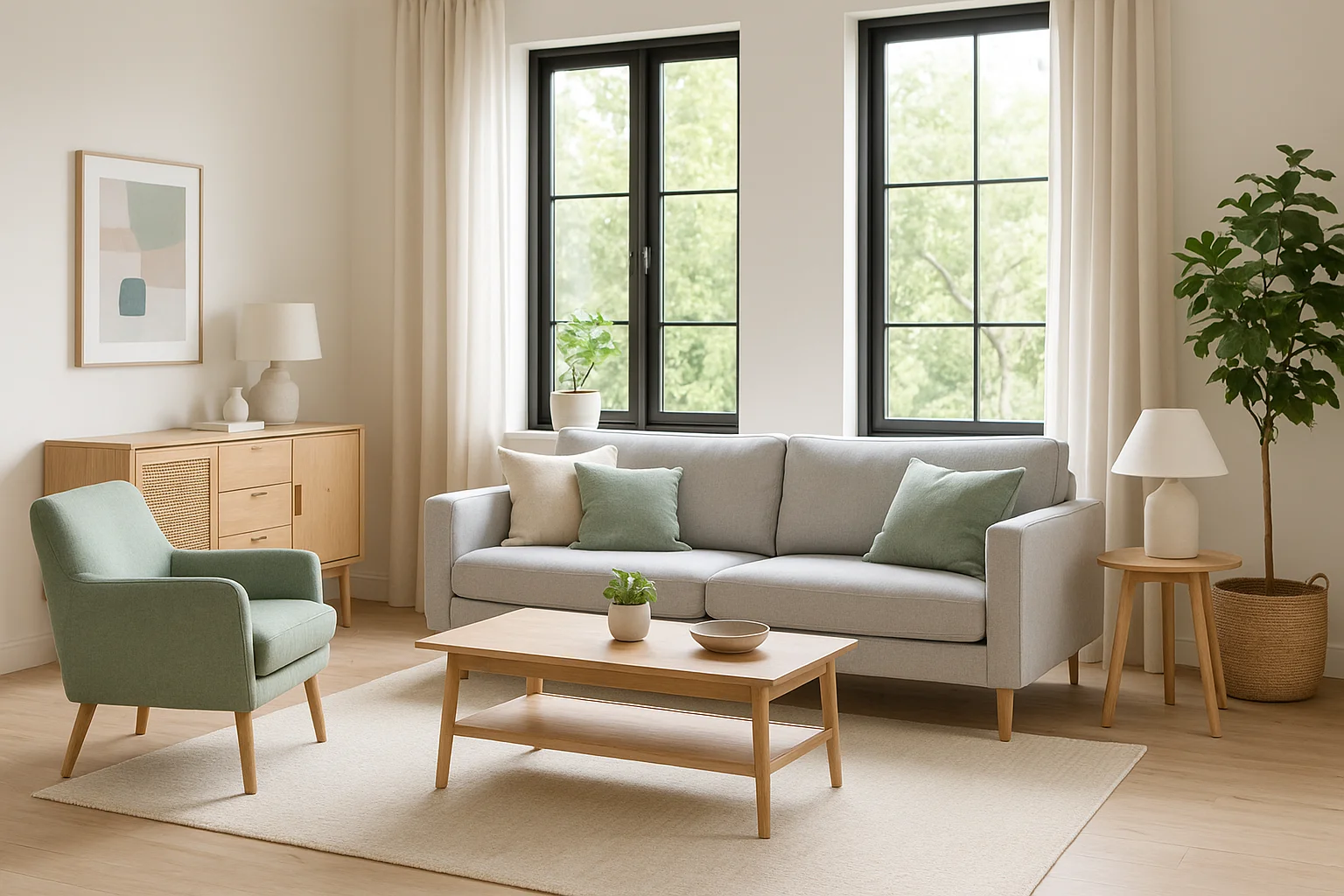
Ceiling lights do more than brighten a room. They shape the mood, support the layout, and help your home feel finished. Yet many homeowners still treat ceiling lighting like an afterthought. They pick a fixture at the end of the process, install it, and then wonder why the room still feels flat, dark, or awkward.
That problem shows up in every kind of home. A dining room feels dull even after new furniture arrives. A hallway looks dim and narrow. A bedroom has enough light, but it still does not feel calm. In most cases, the issue is not the bulb. It is the fixture choice, the placement, or the lack of balance between style and function.
The good news is that you do not need a full renovation to fix it. You just need to choose the right ceiling light for the way each room looks and works.
Why ceiling lighting matters more than most people think
A room can have the right sofa, paint color, and decor, but still feel incomplete if the overhead light does not support the space.
This is one of the biggest pain points for homeowners who want a polished home without wasting money on the wrong upgrades. They buy furniture and accessories first, then install a basic light fixture that adds no warmth, no shape, and no visual interest. The result feels disconnected.
The right ceiling light solves several problems at once. It improves brightness, creates a focal point, and helps define the purpose of the room. It can also make a low ceiling feel less cramped or help a larger room feel more grounded.
That is why it helps to start with a broader view of your lighting fixtures for every room before narrowing down the exact fixture style for each room.
Start with the function of the room
The best ceiling light is not always the most dramatic one. It is the one that supports how you use the room every day.
Living room
A living room needs flexible light. You may use the space for relaxing, entertaining, reading, or watching TV. A ceiling fixture should give enough ambient light without creating glare or making the room feel harsh at night.
Dining room
The ceiling light should anchor the dining table and create a warm atmosphere. This room benefits from a fixture that feels connected to the furniture below it.
Bedroom
A bedroom should feel calm and soft. Harsh overhead lighting can make the space feel cold, even if the decor looks beautiful during the day.
Hallway or entryway
These areas need enough light for safety and visibility, but they also shape first impressions. A small but well-chosen fixture can make a narrow hall or compact entry feel more intentional.
Kitchen
A kitchen needs strong, clear light. Here, ceiling lighting should support everyday tasks while still working with the overall design of the home.
When you focus on function first, you avoid one of the most common mistakes homeowners make. They stop shopping for a fixture that only looks good in a product photo and start choosing one that actually works in their space.
Match the fixture to the ceiling height
Ceiling height changes everything.
A beautiful fixture can look completely wrong if it does not suit the vertical space in the room. This is where many homeowners get stuck. They want a stylish light, but they do not know whether the room can handle a hanging fixture, a semi-flush design, or a low-profile mount.
For low ceilings
Choose fixtures that stay close to the ceiling. Flush mount and semi-flush mount styles work well here because they keep the room feeling open while still adding design interest.
For the average ceiling height
You have more flexibility. This is often the best range for semi-flush fixtures, smaller chandeliers, and statement ceiling lights that add shape without taking over the room.
For high ceilings
Larger pendants and chandeliers work better because they help fill the visual gap above eye level. Without the right light, tall rooms can feel empty or cold.
If you are comparing styles for different ceiling heights and room sizes, browsing well-organized ceiling light styles for different rooms can make the decision process easier. It helps you see what actually fits your home instead of guessing based on a single product image.
Choose the right ceiling light by room style
A ceiling light should not fight with the room. It should support the furniture, finishes, and overall tone of the space.
Modern rooms
Clean-lined spaces usually work well with simple geometric fixtures, glass globes, or minimal metal finishes. These styles add interest without cluttering the room.
Traditional rooms
Classic interiors often look best with warm finishes, soft curves, or fixtures that bring a little detail and elegance without feeling too formal.
Transitional rooms
This style gives you flexibility. You can mix clean shapes with warmer materials to create balance. A ceiling light with a refined silhouette and a soft finish often works well here.
Small-space interiors
In apartments and compact homes, bulky fixtures can make the room feel tighter. A light with a clean profile and good spread works better because it adds brightness without eating into the visual space.
This is important for homeowners who want the room to feel stylish but still comfortable. The fixture should add personality, not create visual clutter.
Avoid these common ceiling light mistakes
A lot of lighting problems come from the same few mistakes.
Choosing a fixture that is too small
A tiny fixture in a large room disappears and makes the space feel unfinished.
Ignoring the room layout
The light should connect with the furniture below it. In dining rooms, it should relate to the table. In living rooms, it should support the seating area.
Using only one source of light
A ceiling fixture should not carry the whole room on its own. Pair it with lamps or wall lighting when possible to create a softer, more livable effect.
Picking style over comfort
Some lights look striking but cast glare or feel too harsh at night. Warm bulbs and thoughtful placement matter just as much as the fixture design.
These mistakes cost homeowners time and money. They also create frustration because the room still does not feel right after the update.
The easiest way to make your home feel more finished
Many people think they need more furniture or more decor to improve a room. In reality, better lighting often creates a stronger result.
The right ceiling light can make a bedroom feel calmer, a dining room feel more inviting, and a hallway feel more open. It can also help tie together the finishes, furniture, and overall layout of the room.
That is also why homeowners often explore collections from Maison Rose Interiors when they want lighting that feels both practical and polished.
Final thoughts
Choosing the right ceiling light is not just about brightness. It is about how the room feels when you live in it.
A good fixture supports the way the room functions, fits the ceiling height, and works with the style you already have. It helps fix common problems like flat-looking rooms, poor visual balance, and lighting that feels too harsh or too weak.
When you make that choice with purpose, your home looks better and works better at the same time.