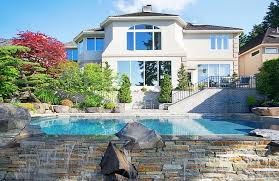
Inground swimming pools are one of the most desirable upgrades a homeowner can make. They provide a perfect space for relaxation, entertainment, and exercise, all while increasing the overall value of your property. Whether you’re dreaming of a backyard oasis or planning a practical family pool, understanding the options, costs, and installation process is key to making the right decision.
Types of Inground Pools
There are three primary types of inground swimming pools: concrete, vinyl liner, and fiberglass. Each has its own advantages and considerations.
Concrete pools are highly customizable and can be built in virtually any shape or size. They are extremely durable and ideal for homeowners looking for a long-term investment. However, they typically come with a higher price tag and longer installation timeline.
Vinyl liner pools are more affordable and offer a smooth surface that is gentle on feet. They can also be customized, though not as extensively as concrete. The main drawback is that the liner will need to be replaced every 7–10 years.
Fiberglass pools come as pre-molded shells that are installed into the ground. They are quick to install and require less maintenance due to their non-porous surface. While customization is limited, they are a great option for homeowners seeking convenience and efficiency.
Planning and Design
Before installing an inground pool, thoughtful planning is essential. Consider the size of your yard, how you plan to use the pool, and your overall budget. Do you want a simple rectangular pool for laps, or a resort-style design with curves, waterfalls, and lighting features?
You’ll also need to think about landscaping, decking, and safety features. Adding a patio, fencing, or outdoor kitchen can transform your pool area into a complete outdoor living space. Planning these elements together ensures a cohesive and functional design.
Installation Process
The installation of an inground pool typically begins with excavation. This involves digging out the area where the pool will be placed. Once the hole is prepared, the pool structure—whether concrete, fiberglass, or vinyl—is installed.
Next comes plumbing and electrical work, which includes setting up filtration systems, pumps, and lighting. After that, the pool is filled with water and the surrounding area is finished with decking and landscaping.
Depending on the type of pool, installation can take anywhere from a few weeks to several months. Weather, permits, and customization all play a role in the timeline.
Costs and Budgeting
The cost of an inground swimming pool varies widely based on size, materials, and features. On average, homeowners can expect to spend anywhere from $40,000 to over $100,000. Concrete pools tend to be the most expensive, while vinyl and fiberglass options are generally more budget-friendly.
In addition to installation, it’s important to factor in ongoing costs such as maintenance, utilities, and repairs. Heating, cleaning, and chemical treatments all contribute to the long-term investment of owning a pool.
Maintenance and Care
Proper maintenance is essential to keep your pool clean, safe, and enjoyable. This includes regular cleaning, balancing chemicals, and maintaining the filtration system. Skimming debris, vacuuming the pool, and checking water levels should become part of your routine.
Seasonal maintenance is also important, especially in areas with colder climates. Winterizing your pool protects it from damage during freezing temperatures, while opening it properly in the spring ensures a smooth transition back to use.
Benefits of Owning an Inground Pool
An inground swimming pool offers numerous benefits beyond just aesthetics. It provides a convenient way to stay active, helps create lasting memories with family and friends, and offers a private retreat right in your backyard.
Pools can also enhance property value and make your home more appealing to potential buyers. While the return on investment varies, many homeowners find the lifestyle benefits alone are worth the cost.
Choosing the Right Professionals
Selecting the right contractor is one of the most important decisions in the pool installation process. Experienced professionals can guide you through design, permitting, and construction while ensuring high-quality results.
Working with a trusted inground pool company Indianapolis homeowners rely on can make the entire process smoother and more efficient. From initial consultation to final installation, the right team will help bring your vision to life while avoiding common pitfalls.
Final Thoughts
Installing an inground swimming pool is a major investment that can transform your outdoor space into a personal paradise. By understanding the different types of pools, planning carefully, and working with experienced professionals, you can create a beautiful and functional addition to your home. With proper care and maintenance, your pool will provide enjoyment and value for many years to come.