Do you feel like your yard looks flat and tired every spring, no matter how much effort you put in? Do bare patches and slow growth keep returning, even after you rake, seed, and spread fertilizer? If so, doing your spring yard cleanup in Fredericton out of order could be quietly wasting time and money.
Local winters press snow into clay-based soil, leave ice piles along driveways, and create perfect conditions for snow mould. A spring yard cleanup checklist helps, but the order of your spring lawn care routine matters just as much as the list itself. If you aerate before you clear debris, or fertilize before you open the soil, you lose a lot of the benefit.
This guide explains how to clean up a yard in spring, in a sequence that fits Fredericton conditions. You start with surface cleanup, move into dethatching, aeration, and overseeding, and only then feed, edge, and mow. Timing follows firm soil and active grass growth, not calendar dates, so each step supports the next one.
Start With Debris Removal and Surface Cleanup
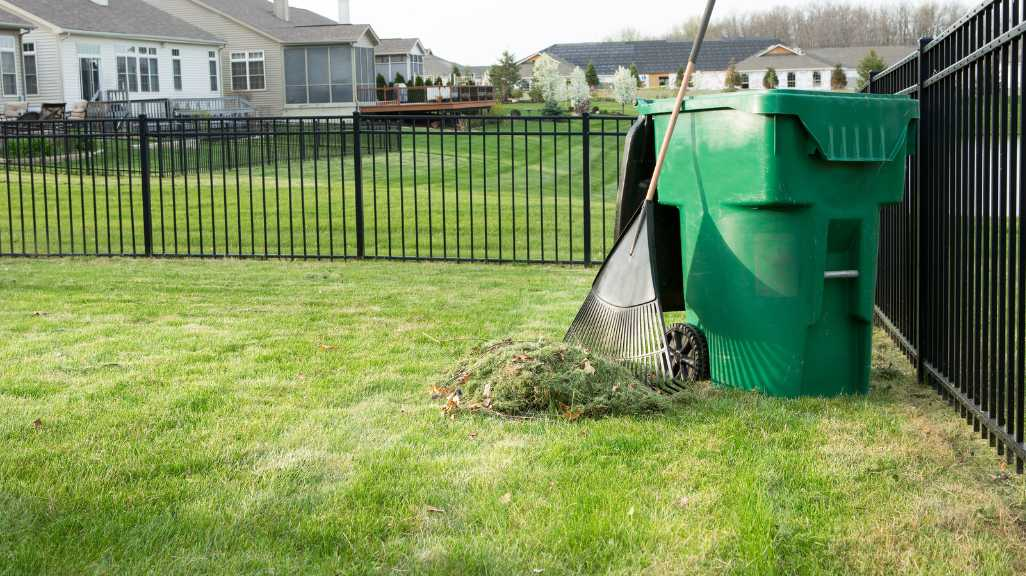
Spring yard cleanup in Fredericton always begins on the surface. Winter leaves matted leaves, dead grass, fallen branches, and even garbage trapped under snow. If this material stays on the lawn, it blocks sunlight, traps moisture, and can encourage snow mould fungi, so no other spring yard-care tasks work as well until you remove it.
Walk your property after snowmelt once the ground feels firm under your feet. Look for:
- Flattened, yellow patches of grass
- Piles of wet leaves and thatch
- Gravel from plows pushed into the grass along walkways and driveways
Grey or pink snow mould often shows as circles in matted grass. Gentle raking helps those spots dry so the turf can recover.
Here is a simple spring yard work list for this stage:
- Clear the lawn surface with a fan rake. Lift matted leaves and dead grass so air and light can reach the soil. Work in several light passes instead of one deep pass, so you do not tear live grass out by the roots. Bag or compost this material as part of your spring debris removal for the lawn.
- Tidy flower and garden beds. Pull out dead annuals, trim broken stems, and peel back old compacted mulch that stops moisture from moving into the soil. This spring flower bed cleanup step also makes later spring mulching easier and neater.
- Make hard surfaces and edges safe and clean. Pick up fallen branches and sticks before any mower work, and rake gravel back off the grass and onto driveways and paths. As you move, note any snow mould circles and loosen them gently with a rake so they dry faster.
Dethatch, Aerate, and Overseed in the Right Sequence
Once the surface is clear, you can focus on the lawn itself. This part of spring yard cleanup in Fredericton repairs damage from snow load and freeze–thaw cycles and sets up thicker turf for summer. The key is to keep the order, with dethatching first, core aeration next, and overseeding right after aeration.
Thatch is a layer of dry stems and roots that sits between the green blades and the soil. To check for it, push a finger into the turf and feel for a spongy layer more than about one and a half centimetres thick. If you feel that layer, spring raking and dethatching with a power rake or a stiff leaf rake helps water, air, and nutrients reach the soil again.
Core aeration comes after dethatching. In Fredericton, clay-based soil compacts under winter snow piles, snowblower paths, and foot traffic during thaw periods. Lawn aeration in spring pulls out small plugs of soil, which opens channels for water and air, reduces surface pooling, and helps roots grow deeper instead of sideways.
Overseeding works best right after aeration while the cores are still fresh. The seed falls into the open holes, touches soil, and stays moist, which improves germination and thickens the lawn. Choose a seed blend suited to New Brunswick conditions and to your sun or shade level, and leave the soil plugs on the lawn so they break down and feed the surface.
Here is a quick comparison of this order:
| Task | Best Time In The Sequence | Why The Order Matters For Your Lawn |
| Dethatching | After debris cleanup, before aeration | Removes the thatch layer so the aerator can reach soil at a consistent depth. |
| Core aeration | After dethatching, before overseeding | Relieves compaction in clay soil and opens channels that protect seed and fertilizer. |
| Overseeding | Right after aeration, on the same day if possible | Seeds fall into open holes, stay in place, and sprout into a thicker stand of grass. |
Fertilize, Control Weeds, and Prepare Garden Beds
Spring fertilizing for a lawn works best after aeration, not before. If the soil stays compacted, nutrients sit near the surface and wash away during rain. By timing fertilizer after aeration as part of your spring lawn preparation plan, you move more nutrients straight into the root zone.
Before you buy product, check soil pH, because many Fredericton yards lean to the acidic side. A simple test kit or local soil test tells you if you need lime to bring the pH closer to neutral. If the pH sits too low, nutrients from fertilizer can tie up in the soil and never reach the roots, which wastes money and can add to runoff.
Choose a balanced spring fertilizer once soil temperature reaches roughly ten degrees and grass shows clear new growth. Applying too early, while the lawn is still cold and soggy, increases the risk of leaching during heavy rain. For areas you just overseeded, use a starter fertilizer with more phosphorus to support root growth before hot, dry summer weather.
Spring weed control in the yard needs careful timing as well:
- Skip combination weed-and-feed products on any turf you have recently overseeded, because they can harm tender new plants.
- Wait until new grass has been mowed at least two or three times, then spot-treat broadleaf weeds.
- Use a selective product that matches local rules and all label directions.
In garden beds, pull early weeds by hand while they are small, then apply fresh mulch in a layer about two to three centimetres deep. Good spring mulching tips include using clean, dry mulch and leaving a small gap around plant stems and tree trunks. That gap reduces the risk of stem rot and fungi while still holding moisture and blocking new weed seeds.
H2 Section 4: Finish With Edging, Initial Mow, and a Season Maintenance Plan
With the lawn restored and fed, you can focus on neat edges and a clean finish. Edging lawn borders in spring comes after overseeding and fertilizing so you do not knock seed or product off the lawn and into beds or hard surfaces. Clean lines along walks, drives, and beds also help stop grass from creeping into gardens through the season.
Plan the initial mow once the grass stands tall enough to bend over and does not squish under your boots. The soil should feel firm and the blades dry so the mower does not tear or leave ruts. Set the deck higher than normal, around seven to eight centimetres, use sharp blades, and avoid cutting more than one third of the leaf in one pass.
After that first cut, you can set up a simple spring yard maintenance schedule so the work stays light. A clear plan turns your spring yard cleanup checklist into a weekly habit instead of a stressful rush:
- Week one to two focuses on debris removal, garden bed cleanup, and gravel raking. Spread the work over a few shorter sessions so the lawn has time to dry between visits. Note any thin areas that might still need spot overseeding as soil warms.
- Week two to three covers dethatching, core aeration, and overseeding for most yards in Fredericton. Try to do aeration and seeding on the same day so seed falls straight into fresh cores. Mark newly seeded spots so you avoid heavy foot traffic until seedlings root well.
- Week three to four is the time for spring fertilizing, early spring weed control on mature turf, and mulch on garden beds. Watch the weather so heavy rain does not wash product away and delay treatment if the forecast looks rough. Keep mulch shallow and tidy so plants still receive air at the base.
- Week four and beyond includes the first mow, edging, and a regular mowing cycle every seven to ten days based on growth. Keep the cutting height a bit higher and blades sharp through the whole spring lawn care routine. If this still feels like too much, local yard cleanup services in Fredericton can handle heavy tasks like aeration while you manage basic mowing.
Wrap Up And Next Steps
Spring yard cleanup in Fredericton works best as a clear sequence instead of a scattered set of chores. Each stage prepares the next one, from debris removal before dethatching, to dethatching before core aeration, and aeration before overseeding, fertilizing, edging, and mowing. Skipping steps or shuffling the order can weaken every job that follows and leave clay-based soil and winter damage in place.
Local conditions, such as freeze–thaw cycles, heavy snow cover, and a short growing season, make this order even more important. By following this spring yard work list every year, you give your lawn and garden beds the best chance to bounce back, fill in bare spots, and stay healthier through summer. You can use this plan on your own or combine it with yard cleanup services in Fredericton for a routine that fits your time and energy.