Use Furniture That Fits the Room’s Scale
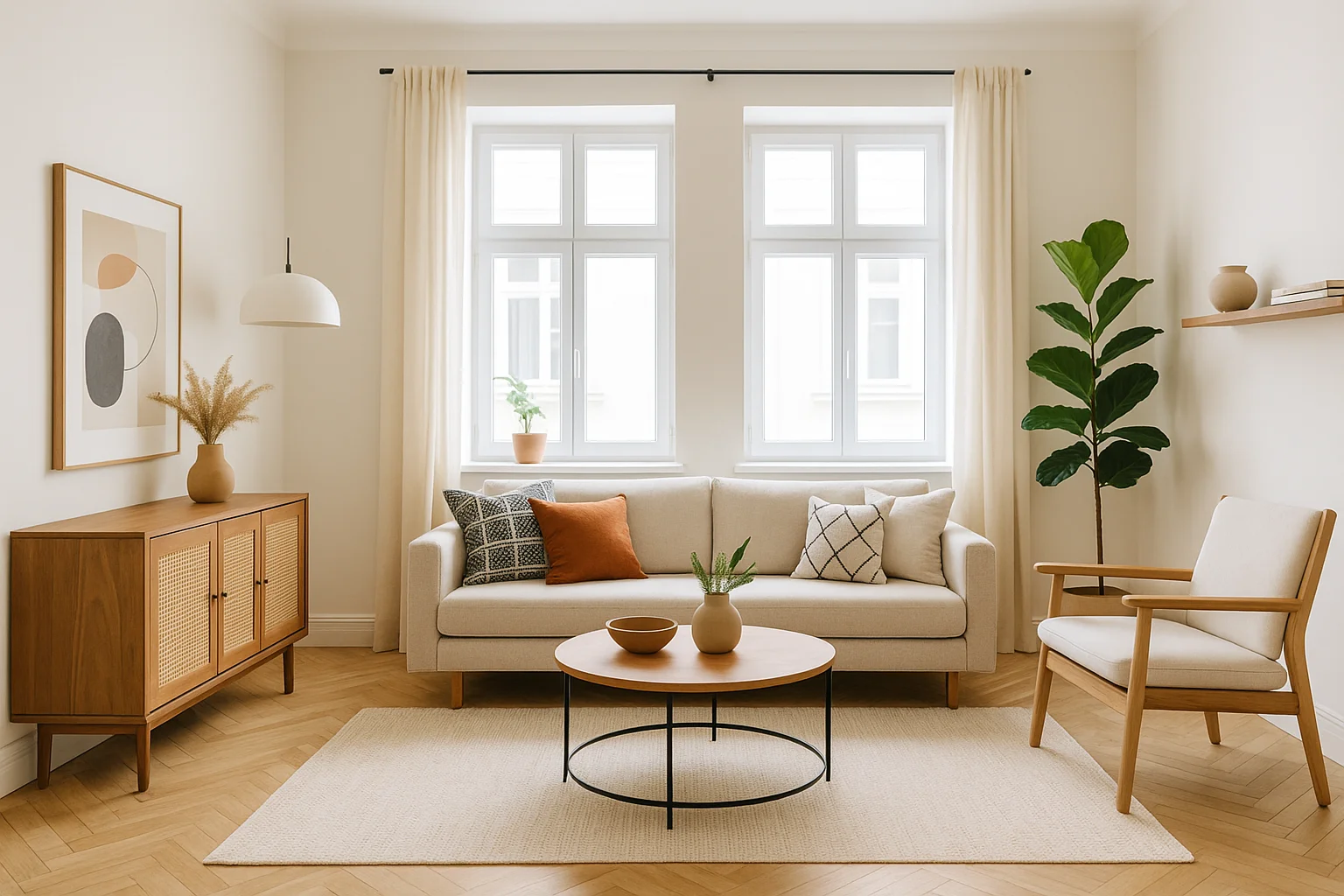
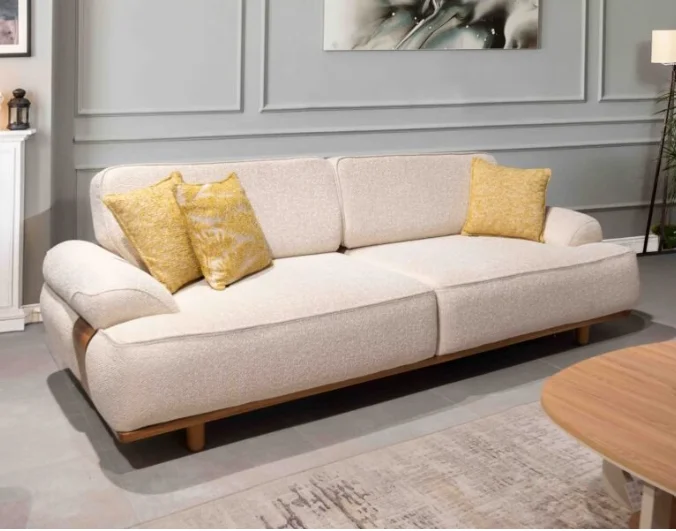
Small rooms look larger when the furniture is properly scaled to the space. Oversized sofas or beds can overpower the room and make it feel tighter than it actually is. Choosing low-profile seating and compact designs allows the eye to move more freely across the room. Avoiding bulky frames and thick upholstery also reduces visual weight.
In small living rooms, sofas with narrow arms and exposed legs leave more space around them, helping the room breathe. In bedrooms, platform beds with slim headboards make the space look more open. Selecting furniture that’s elevated off the ground adds to the perception of openness because the floor stays more visible.
Round tables and armless chairs also help maximize limited space. A 36-inch round table with slim legs can support dining needs without overcrowding the area. Choosing these simple, space-saving shapes helps avoid visual and physical blockages.
Choose Multi-Functional Furniture
Multi-purpose furniture creates more usable space in small rooms. Pieces that serve more than one function remove the need for extra items. For example, a sofa bed provides seating by day and turns into a bed at night. This eliminates the need for two separate large pieces.
A coffee table with hidden storage can replace both a table and a drawer unit. Ottomans that open for storage are ideal for keeping extra items out of sight. These smart pieces reduce clutter and let the room maintain a more open look.
Wall-mounted desks, foldable dining tables, and nesting side tables also work well in compact homes. They can be used when needed and tucked away when not in use. This flexibility makes daily life easier without sacrificing floor space.
Stick to Light Colors and Reflective Materials
Furniture in light shades makes rooms appear larger and brighter. Light reflects better off pale surfaces, which helps open up the space visually. Colors like white, beige, and light gray are ideal for small interiors. These tones make the walls and furniture blend more naturally, creating flow in the room.
Glossy finishes and light fabrics can further support this effect. Avoid very dark or matte furniture as these tend to absorb light and make the room feel heavier. When color and material are chosen together wisely, the entire environment benefits.
Glass and acrylic furniture are also helpful in tight spaces. A clear acrylic chair or a glass coffee table takes up physical space but not visual space. These materials let light pass through and maintain an open, unobstructed feel.
Maximize Vertical Space Without Losing Floor Area
Using vertical space is a key strategy in small rooms. Floor-to-ceiling shelves, tall bookcases, and hanging storage units free up the lower areas and help organize belongings without taking up walking space. This method turns empty walls into functional parts of the room.
A narrow shelving unit beside the bed or a tall cabinet in the corner can store everyday items efficiently. These solutions prevent the floor from becoming crowded. Vertical design helps direct attention upward, which naturally increases the feeling of space.
Wall-mounted nightstands, desks, and lighting also keep floor areas clear. Choosing pieces that attach to the wall gives the room a clean and spacious appearance. Keeping vertical lines consistent helps avoid visual breaks that shrink the space.
Arrange Furniture to Support Clear Movement
Furniture placement affects how large a room feels. Placing furniture along walls and leaving the center open can make a room appear more spacious. Keeping walkways clear is critical in smaller spaces. A layout that allows smooth movement helps the room feel functional and less cramped.
Leave space between each piece. At least 18 inches of clearance around furniture ensures better flow. Avoid blocking windows or doors, as this can reduce natural light and limit how far the eye can travel through the room.
It’s sometimes better to float a piece slightly off the wall if it makes the layout more balanced. The goal is not always to push everything to the edge, but rather to support openness and symmetry. The right layout brings all other furniture decisions together.
Prioritize Function in Every Piece You Choose
Every item in a small room should have a clear function. In bedrooms, under-bed drawers or storage beds reduce the need for bulky dressers. Narrow bedside tables and wall shelves are better than wide units that take up unnecessary space.
Rolling carts with shelves can act as portable storage or side tables. Foldable chairs and tables offer flexibility without permanent bulk. Pieces that can be moved or adapted help the room support different activities more efficiently.
In small home offices or work areas, choose wall-mounted desks with built-in storage above. This keeps the work zone tight and tidy. Focus on items that save space without reducing comfort or utility.
Use Reflective and Transparent Surfaces Where It Makes Sense
Mirrors and transparent materials make rooms feel more open. A well-placed mirror, especially across from a window, reflects natural light and gives the illusion of more space. This strategy works well in bedrooms and hallways with limited light.
Glass furniture and acrylic materials serve a similar purpose. They allow the space around them to stay visible, avoiding the visual block that solid furniture can cause. These materials are practical and visually effective in tight areas.
- Use one large mirror per room instead of many small ones
• Choose one or two transparent furniture pieces to avoid visual clutter
Balance is important when using reflective materials. Too much reflection can be distracting. Focus on creating a space that feels open without becoming disjointed.
Conclusion
Furniture decisions strongly shape how large or small a room feels. The key is choosing compact, functional pieces that match the room’s purpose and allow light and movement. Using light colors, vertical space, and multi-functional items supports both form and function.
Not every solution requires complex design or expensive furniture. Well-placed, correctly sized items often make the biggest difference. Thoughtful layout and smart material choices bring long-term benefits to any small living space. For more information, visit https://www.ogretmenler.com.tr/mobilya-ve-koltuk-grubu/.