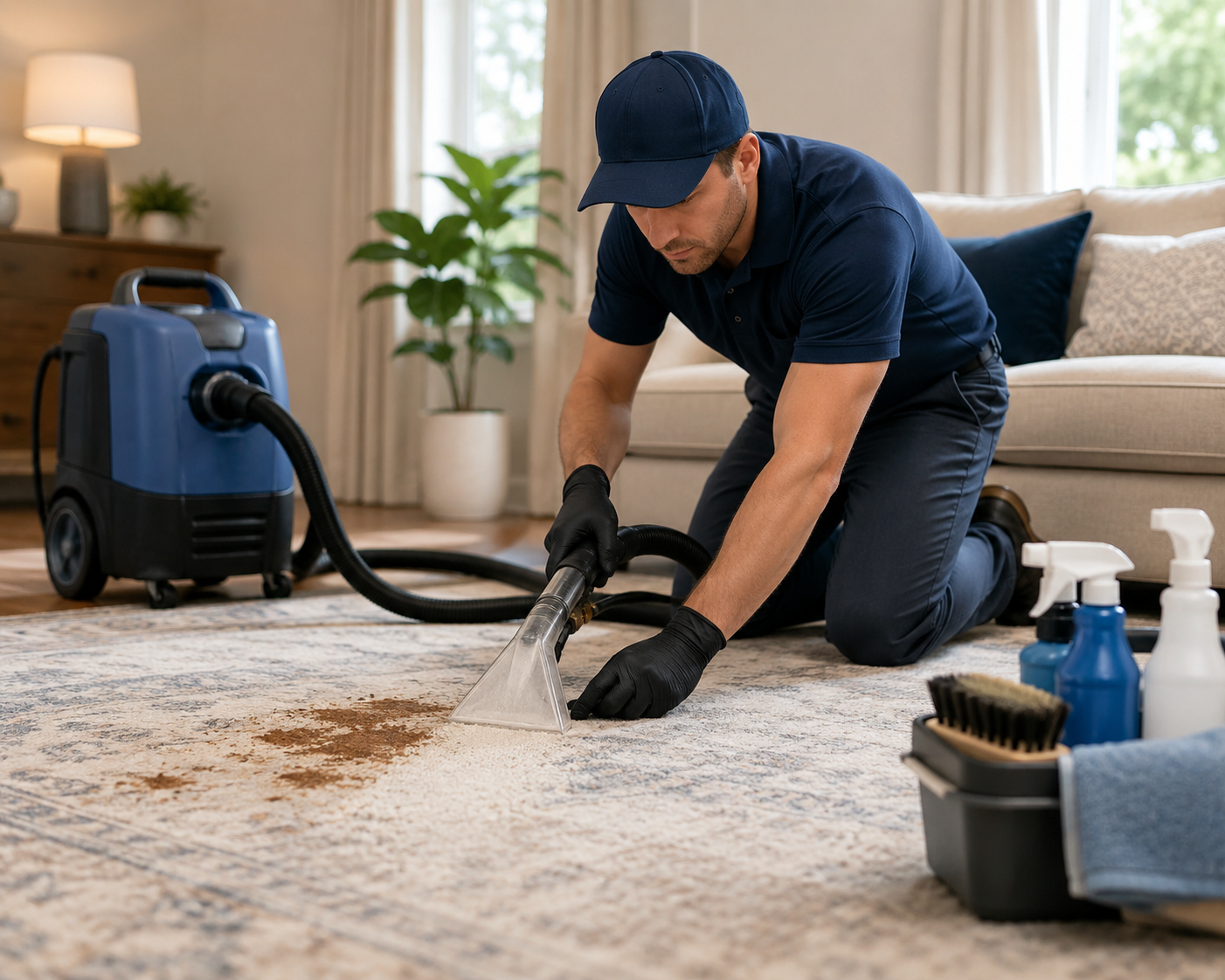
Discovering a stain or an unpleasant odor on your favorite rug can be a disheartening moment. Life happens, and spills, accidents, and everyday wear can quickly affect your rug’s beautiful appearance and fresh smell. Fortunately, mastering rug stain removal is achievable. This comprehensive guide will equip you with the knowledge and practical steps for successful rug spot cleaning, effective rug odor removal, and even how to remove pet stains from rug. We’ll cover everything from quick fixes to tackling persistent issues, ensuring your rugs look and smell their best.
The Ultimate Guide to Rug Stain Removal: Why Prompt Action is Key
When faced with an unwelcome mark on your rug, the first instinct might be panic. However, understanding the importance of immediate action is the first step toward successful rug stain removal. Common culprits like a sudden coffee stain rug incident or an unfortunate remove wine stain carpet moment can seem daunting. Equally challenging is trying to remove pet stains from rug and their associated odors. This post is your go-to resource for effective rug spot cleaning and odor solutions.
The Foundation of Clean: Essential Rug Spot Cleaning Principles
Before diving into specific stain types, it’s vital to understand the core principles of rug spot cleaning. These foundational practices will significantly improve your success rate in rug stain removal.
Understanding the Basics of Rug Spot Cleaning
Rug spot cleaning is all about targeting specific marks and blemishes without cleaning the entire carpet. It’s a focused approach to preserving your rug’s beauty.
-
The Golden Rule: Act Fast
The longer a stain sits on your rug, the deeper it penetrates the fibers. This makes it considerably harder to remove later. Therefore, immediate action is absolutely crucial for successful rug stain removal. -
Blot, Don’t Rub
Rubbing a stain can spread it further, push it deeper into the rug, and even damage the delicate rug fibers. Instead, gently blot the affected area with a clean white cloth or paper towels. This absorbs the liquid without spreading the mess. -
Test First, Clean Later
Always test any cleaning solution on an inconspicuous part of your rug before applying it to the visible stain. This prevents accidental discoloration or damage, especially for natural or delicate rug materials. -
Essential Tools and Materials
Having the right tools on hand makes rug spot cleaning much easier. Here’s a basic toolkit:-
Clean White Cloths/Paper Towels: For blotting up spills and applying solutions.
-
Spray Bottle: For evenly applying diluted cleaning solutions.
-
Mild Dish Soap: An effective and gentle degreaser.
-
White Vinegar: A natural cleaner and deodorizer, highly recommended by cleaning experts.
-
Baking Soda: A fantastic natural absorbent for moisture and odors.
-
Vacuum Cleaner: To remove dry residue and complete the cleaning.
-
Water: Both cold and warm water can be useful depending on the stain.
-
Tackling the Tough Stuff: Specific Stain Removal Guides
Now, let’s get down to business with specific strategies for common and challenging rug stains.
How to Remove a Coffee Stain from Your Rug
A spilled cup of coffee can leave a nasty mark, but with prompt action, you can achieve effective rug stain removal.
-
Immediate Blotting: As soon as the spill occurs, blot up as much of the fresh coffee as possible with clean cloths or paper towels.
-
Prepare Your Solution: Mix one tablespoon of mild dish soap, one tablespoon of white vinegar, and two cups of warm water in a spray bottle.
-
Application and Blotting: Lightly spray the solution onto the stained area. Then, gently blot with a clean cloth. Repeat this process, lifting the stain gradually.
-
Rinsing: Rinse the area by blotting with a cloth dampened with plain water. This removes any soap residue.
-
Drying: Blot thoroughly with dry cloths. Allow the area to air dry completely. For lingering moisture and odor, sprinkle baking soda on the damp spot before vacuuming.
This effective DIY method is supported by sources like Good Housekeeping. For very stubborn or old coffee stains, you might consider commercial enzymatic cleaners or oxygen-based spot removers, but always ensure they are suitable for your rug material.
How to Remove a Wine Stain from Your Carpet (and Rugs)
Wine stains, especially red wine, are notorious for being difficult. Speed is your greatest ally in a remove wine stain carpet situation.
-
Immediate Action: Blot up any excess wine immediately to prevent it from soaking in further.
-
Absorbent Application: Generously cover the stain with an absorbent material like salt or baking soda. Let it sit for at least 15-30 minutes to draw out the liquid. Vacuum up the absorbent material afterward.
-
Vinegar/Soap Solution: You can use the same mixture as for coffee stains: white vinegar, mild dish soap, and warm water. Apply with a spray bottle and blot gently. Consumer Reports often recommends this approach for its effectiveness.
-
Cold Water is Key: Always use cold water for rinsing wine stains. Hot water can set the stain permanently.
-
Preventing Spreading and Setting: Continue to blot gently. Avoid rubbing, and never use hot water or heat to dry the area, as this will set the wine stain.
-
Advanced Options: For very stubborn red wine stains, some sources suggest a carefully tested diluted hydrogen peroxide and dish soap mixture or specialized commercial wine stain removers.
How to Remove Pet Stains from Your Rug (and Eliminate Odors)
Dealing with pet stains from rug requires a two-pronged approach: stain removal and odor elimination.
-
Prompt Cleanup is Crucial: Blot up fresh accidents immediately to prevent saturation and odor penetration.
-
The Power of Enzymatic Cleaners: For pet stains like urine, feces, or vomit, enzymatic cleaners are highly effective. These cleaners contain natural enzymes that break down the organic matter causing the stain and odor. PetMD and the ASPCA highlight the efficacy of these products.
-
Application Instructions: Follow the product’s instructions carefully. You’ll often need to saturate the stained area and allow it to air dry for a specified time.
-
Dealing with Odor: Enzymatic cleaners tackle odors at their source, preventing them from lingering.
-
Baking Soda for Lingering Smells: After the enzymatic cleaner has worked and the area is dry, sprinkle baking soda generously over the treated spot. Leave it overnight, then vacuum thoroughly to absorb any residual odors.
Beyond Stains: Mastering Rug Odor Removal
Even after stains are gone, lingering odors can still plague your rug. Effective rug odor removal is key to a fresh-smelling home.
Effective Rug Odor Removal Techniques
-
Baking Soda: The Natural Deodorizer
Baking soda is a powerhouse for absorbing odors. Sprinkle a generous amount over the entire rug (if appropriate for the material), let it sit for several hours or overnight, and then vacuum it up thoroughly. Good Housekeeping frequently supports this method. -
White Vinegar Solution
A 1:1 solution of white vinegar and water in a spray bottle can work wonders. Lightly mist the rug, let it dry completely, and then vacuum. The vinegar smell dissipates as it dries, taking other odors with it. -
Activated Charcoal
Activated charcoal is an excellent natural odor absorber. Place bags of activated charcoal near or on the rug to draw out smells. -
Commercial Odor Neutralizers
Look for commercial products specifically designed to neutralize odors on rugs, not just mask them. Always test these products in an inconspicuous area first. -
Airing Out
If possible and weather permits, take your rug outdoors to air out in sunlight. Fresh air and sunshine can significantly help with odor removal.
Proactive Care: Preventing Future Stains and Maintaining Freshness
The best rug stain removal is, of course, prevention. Implementing a few proactive strategies can keep your rugs looking and smelling great.
Preventative Measures and Maintenance Tips
-
High-Traffic Area Protection: Use rug protectors or mats in areas that see a lot of foot traffic, like entryways or under dining tables. rugs for sale
-
“Shoes Off” Policy: Encourage a “no shoes on the rug” rule. This dramatically reduces the amount of dirt and potential stains tracked onto your rug.
-
Regular Vacuuming is Key: Consistent vacuuming removes embedded dirt that can lead to stains and odors. Vacuum weekly in high-traffic areas and bi-weekly elsewhere. Vacuuming with and against the nap offers a deeper clean. how to place Persian rug in living room
-
Prompt Spill Response: Always address spills immediately, no matter how small they seem.
-
Manufacturer Guidelines: Check and follow the manufacturer’s specific care instructions for your rug material. rug materials
-
Routine Rug Care: Consider periodic deep cleaning, either yourself or by a professional, to maintain your rug’s freshness.
When DIY Isn’t Enough: Knowing When to Call a Professional
While many common rug issues can be handled with DIY rug stain removal, rug spot cleaning, and rug odor removal techniques, sometimes professional help is the best option.
Conclusion and When to Call a Professional
You now have the essential knowledge to tackle many common rug stains and odors. However, there are times when professional intervention is necessary. The Institute of Inspection, Cleaning and Restoration Certification (IICRC) advises professional cleaning for the following situations:
-
Large or Deeply Set Stains: If a stain is extensive or has been there for a long time and DIY methods aren’t working.
-
Delicate or Antique Rugs: Silk, wool, or antique rugs often require specialized care. traditional rugs
-
Persistent Odors: If DIY rug odor removal has failed to eliminate persistent smells, professionals have more advanced solutions.
-
Water Damage: Significant water damage requires professional restoration to prevent mold and mildew.
-
Unknown Stains: If you don’t know what caused a stain, professionals can often identify and treat it effectively.
Professional cleaning not only removes tough stains and odors but also extends the life of your rug and contributes to better indoor air quality. With the right approach, you can ensure your rugs remain beautiful and fresh for years to come.