Seasonal Strings Versus Built-In Systems for Utah Rooflines
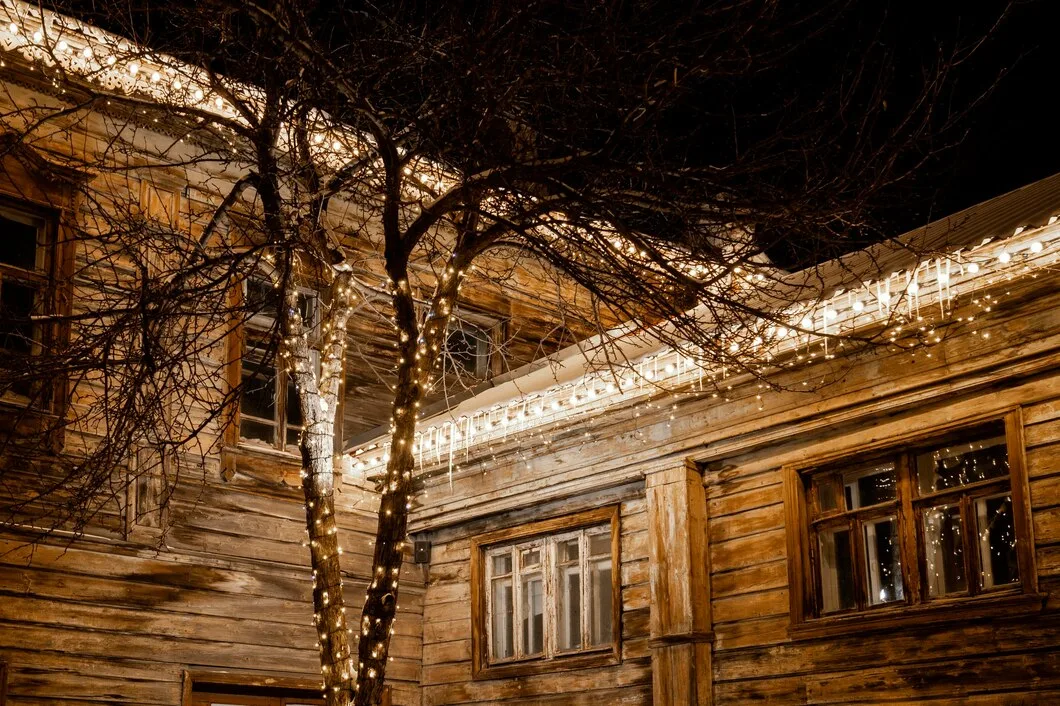
Most homeowners assume the only way to light up their house for the holidays is to haul out a ladder every November and string up lights that come down again in January. That image of tangled cords in the garage and precarious balancing acts on icy shingles has shaped how an entire region thinks about exterior lighting. Utah’s climate, with its heavy snow loads and freeze-thaw cycles, makes that annual ritual even riskier than it sounds. Yet the assumption that holiday lighting has to be temporary, seasonal, and labor-intensive is increasingly out of step with what’s actually available.
Homeowners now have real choices beyond the traditional clip-on string lights. One option is the classic seasonal install, where a crew or homeowner puts up lighting before the holidays and removes it afterward. Another is a semi-permanent setup using weather-resistant clips left in place year-round, with bulbs swapped seasonally. The third, and increasingly popular, option is a fully integrated track system mounted along the roofline that stays installed permanently and can be programmed for any occasion, not just December. Each path comes with different cost structures, maintenance demands, and visual results, which makes comparing them worthwhile before committing to any single approach.
Weighing Durability, Cost, and Year-Round Versatility
Durability is the first thing to examine when comparing these systems against Utah’s weather. Traditional string lights, even high-quality ones, tend to degrade after a season or two of exposure to UV rays, snow, and temperature swings. Semi-permanent clip systems hold up somewhat better since the hardware stays in place, but the bulbs and wiring still face wear from repeated handling during installation and removal. A track-based system, by contrast, is built from materials designed to withstand sun, snow, and wind without needing to be touched for years at a time.
Cost comparisons require a longer view than most people initially take. A seasonal install might look cheaper upfront, but the annual labor, bulb replacement, and ladder risk add up over five or ten years. Semi-permanent systems reduce some of that recurring cost but still require seasonal attention. Permanent track systems carry a higher initial investment, yet they eliminate most ongoing labor and can be used for far more than winter holidays. Many homeowners now use these systems for Fourth of July colors, sports team nights, or simple warm-white ambiance throughout the summer, which changes the math considerably when you account for how often the lighting actually gets used.
Matching the System to How Your Household Actually Uses Exterior Lighting
Deciding which option fits a particular home starts with being honest about usage patterns rather than aspirations. A household that puts up lights for three weeks and takes them down without much fuss might be fine with a seasonal string setup, provided someone is willing to handle the ladder work safely each year. Families who want color flexibility across multiple occasions, without repeating that process every time, tend to find more satisfaction in a semi-permanent or fully integrated solution. The decision often comes down to how much the homeowner values convenience against the upfront cost difference.
For many Utah homeowners dealing with steep rooflines, heavy snow, or simply a desire to stop thinking about holiday lighting as a yearly chore, year-round track lighting for your roofline has become the more practical long-term choice. It removes the seasonal labor entirely while still delivering the same visual impact during the holidays, plus the option to use the system for other events throughout the year. Resale value is another factor worth mentioning, since buyers increasingly view permanent lighting systems as a desirable feature rather than a quirky extra.
Ultimately, the right choice depends on balancing initial cost against years of reduced maintenance and expanded use. Homeowners who plan to stay in their house for the foreseeable future, and who want lighting that performs reliably through Utah’s harsher months, often find that the permanent option pays for itself faster than expected. Those with shorter timelines or minimal lighting needs may still find temporary setups sufficient. Looking honestly at how often the lights will be used, who will maintain them, and how the roofline holds up to winter weather gives most homeowners a clear enough picture to decide with confidence.