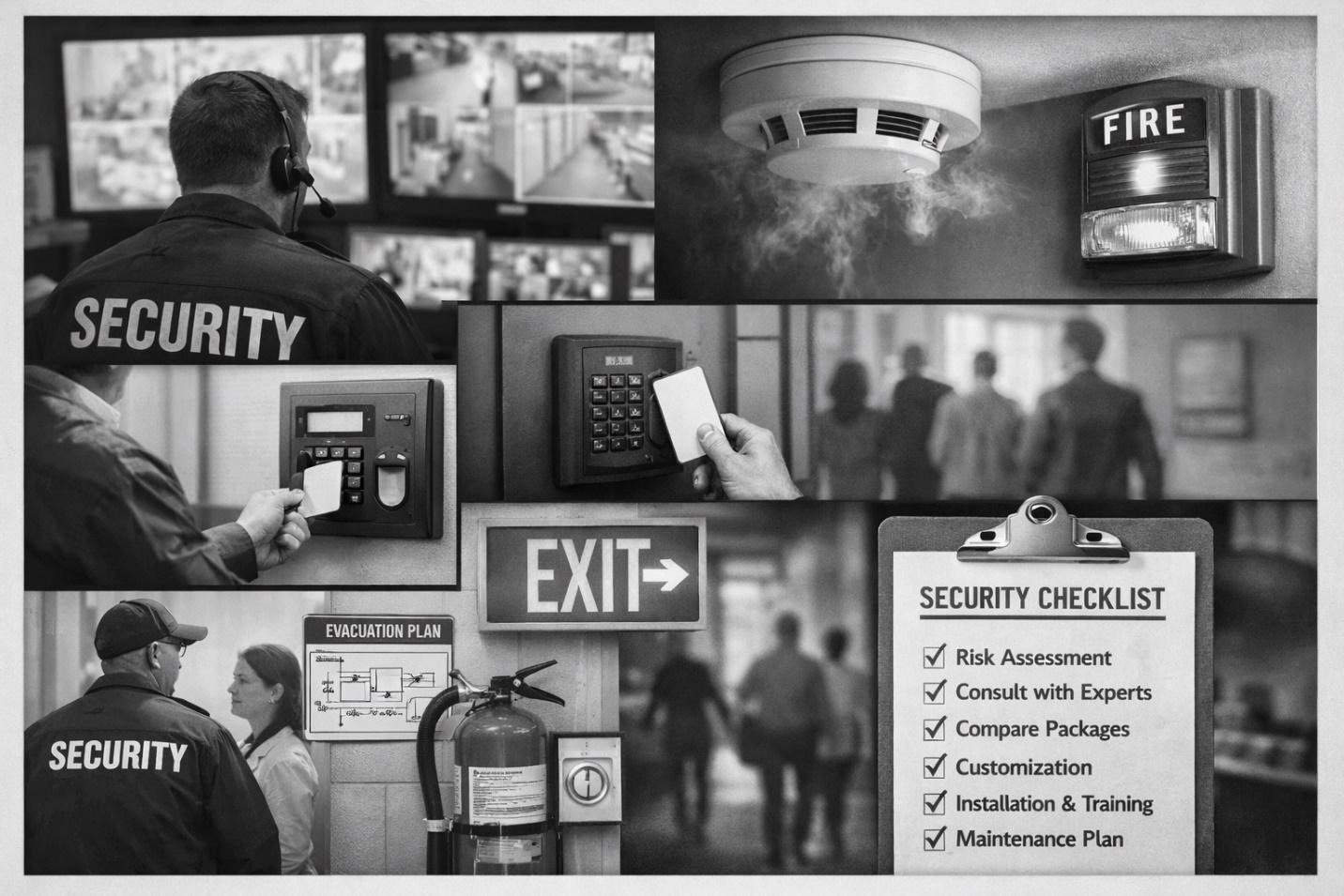
Choosing the right security and fire safety package for a commercial building is a pivotal decision for any business owner or property manager. The balance between safeguarding people, assets, and infrastructure, while also ensuring accessibility and comfort, can be challenging. What should you prioritize: advanced surveillance, robust fire detection, or user-friendly access systems? A methodical approach can help you navigate this complex landscape.
Assessing Your Building’s Unique Needs
Every commercial property comes with its own set of vulnerabilities and requirements. A retail space, an office tower, and a warehouse all pose unique challenges for safety and security. Before exploring commercial security solutions, it’s essential to conduct a thorough risk assessment. This involves evaluating factors such as building layout, number of occupants, types of valuables stored, and neighborhood crime statistics.
A proper needs assessment will also consider compliance with local regulations and insurance requirements. Consulting with professionals or security consultants can help you pinpoint where your building may be most at risk. Often, a combination of physical barriers, surveillance technologies, and emergency protocols is necessary to create a safer environment.
Understanding Core Components of Security Packages
Once your needs are clear, it’s important to understand what modern security and fire safety packages typically include. These packages can range from basic alarm systems to integrated solutions that combine intrusion detection, fire alarms, smoke ventilators, surveillance cameras, and access control systems. Core components typically include:
- Intrusion alarms and motion sensors
- Fire detection and alarm systems
- Video surveillance (CCTV)
- Access control systems (keycards, biometric readers)
- Intercom and communication systems
- Emergency lighting and signage
The integration of these elements allows for coordinated emergency responses and more efficient monitoring. For example, if a fire alarm is triggered, access control systems can automatically unlock exits, and cameras can record evacuation procedures. Beyond electronic surveillance, physical layout also plays a role in internal security; for instance, incorporating a privacypod acoustic office pods can protect sensitive business data by ensuring that confidential conversations remain private and shielded from unauthorized ears in open-plan environments.
Evaluating Fire Safety: More Than Just Alarms
Fire safety is a non-negotiable aspect of any commercial property’s protection plan. Beyond installing smoke detectors and alarms, comprehensive fire safety measures should include sprinkler systems, fire extinguishers, and clear evacuation routes. Many fire alarm companies chicago offer tailored solutions based on building size, occupancy load, and specific hazards.
When choosing a fire safety package, consider:
- Detection: Smoke, heat, and carbon monoxide detectors
- Notification: Visual and audible alarms for all occupants
- Suppression: Sprinklers and extinguishers in key areas
- Monitoring: 24/7 monitoring for prompt emergency response
Regular maintenance and testing are crucial to ensure that all systems function when needed most. Integration with other security systems can streamline emergency responses, reducing the chance of injury or loss.
Integrating Communication and Access Control
Effective communication during emergencies is vital for safety. Intercom systems, door entry solutions, and mass notification systems allow for real-time alerts and instructions. For example, chicago intercom installation can improve both daily operations and emergency communication by providing a direct link between security personnel and building occupants.
Access control is another critical piece. Keycard, PIN-based, or biometric systems can regulate entry and exit, create audit trails, and prevent unauthorized access. Integration with alarm and fire systems ensures that doors can be automatically unlocked in an emergency, while still restricting entry under normal conditions.
Checklist: Steps to Choosing the Right Package
To streamline the selection process, consider the following checklist:
- Risk Assessment: Identify vulnerabilities and compliance needs.
- Consultation: Engage with professional security and fire safety advisors.
- Package Comparison: Evaluate available packages for comprehensiveness and integration.
- Customization: Tailor the selected package to your building’s layout and operational needs.
- Implementation: Plan for professional installation and employee training.
- Maintenance: Establish a schedule for regular system tests and updates.
- Review and Update: Periodically reassess your system as your building or business evolves.
By methodically working through these steps, building managers can ensure that their chosen package provides both protection and peace of mind.
Balancing Technology and Human Factors
While technology is critical, human factors should not be overlooked. Security staff, employee training, and clear emergency protocols all contribute to a safer commercial environment. Regular drills and training sessions keep everyone prepared for emergencies, while user-friendly interfaces ensure that systems are accessible under stress.
Consider how your staff and visitors interact with security protocols. Are emergency exits clearly marked? Is there an effective way to report suspicious activity? A thoughtful balance between automated systems and human oversight is key to a holistic safety strategy.
Future-Proofing Your Investment
Security and fire safety technologies continue to evolve, helping Homeowners Protect Their High-End Properties through cloud-based monitoring, AI-powered surveillance, and seamless mobile integration, which are quickly becoming standard features in modern property protection systems. When selecting a package, ask providers about future upgrades and scalability. A system that can adapt to new threats or integrate with emerging technologies will provide lasting value.
Additionally, many insurance policies offer reduced premiums for properties with advanced, well-maintained security and fire safety systems. This makes investing in a reliable package not only a matter of safety but also a potential financial benefit.
Conclusion
Selecting a security and fire safety package for commercial buildings is a multidimensional process that balances risk assessment, regulatory compliance, and technological integration. From initial commercial security solutions to specialized fire alarm companies and advanced intercom installation, each component plays a vital role in building a secure and resilient environment. By prioritizing both technology and human factors, and planning for future growth, building owners can create spaces where people feel protected, informed, and prepared for any emergency.