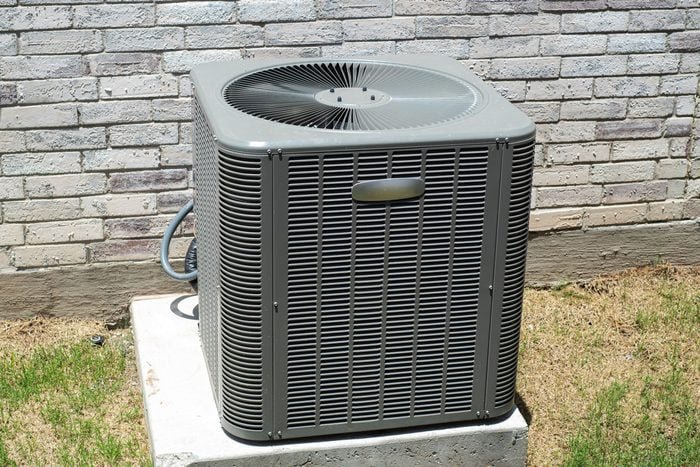
Homeowners often assume that air conditioning problems come from major system failures when the real issue is usually much simpler and easier to fix. Misreading early warning signs can lead to unnecessary worry, delayed cooling, or avoidable repair costs. Many cooling systems are blamed for breakdowns when the cause is actually related to airflow restrictions, thermostat confusion, or electrical interruptions. Understanding these common misinterpretations helps homeowners respond more calmly and accurately when indoor temperatures start to rise unexpectedly.
It also helps prevent unnecessary replacements or panic decisions. By learning how these misdiagnoses happen, it becomes easier to recognize what truly requires attention and what does not.
Understanding Common Cooling Confusion
Thermostat Misunderstandings and False Readings
Many homeowners assume their air conditioning system is failing when the thermostat is actually sending incorrect signals or is set improperly. A common mistake occurs when the thermostat is left on the wrong mode, such as “fan only” instead of cooling, which leads people to believe the entire system has shut down. In other cases, the temperature setting may be only slightly lower than the room temperature, causing the system to cycle irregularly or not activate at all. Battery issues inside digital thermostats can also distort readings, making indoor temperatures appear higher or lower than they truly are. Dust accumulation on internal sensors may further interfere with accurate temperature detection.
These misunderstandings often lead homeowners to think a major component has failed when the solution is simply recalibration or adjustment. Another frequent situation occurs when multiple thermostats are used in larger homes, leading to conflicting readings that make the system seem inconsistent or unreliable.
Filter Clogging Assumptions and Airflow Confusion
A significant number of cooling complaints are misdiagnosed as system breakdowns when the real issue is restricted airflow caused by dirty or blocked filters. When airflow is reduced, the system may still run, but the air coming through vents feels weak or insufficient, leading homeowners to assume the compressor or cooling unit is malfunctioning. In reality, clogged filters simply force the system to work harder while delivering less visible cooling performance. This is one of the most common misunderstandings before scheduling AC repair Tulsa services, as many assume mechanical failure rather than basic maintenance needs. Over time, dust buildup can also cause ice formation on coils, which further reduces cooling efficiency and creates the impression of a severe breakdown. Homeowners often overlook the filter entirely, focusing instead on more complex explanations. However, replacing or cleaning the filter often restores proper airflow and quickly resolves the issue without any mechanical intervention.
Electrical Interruptions and Power Misjudgments
Another frequent misdiagnosis involves electrical disruptions that are mistaken for complete system failure. Homeowners often assume the air conditioning unit has burned out when, in reality, a tripped breaker or disconnected switch is preventing it from running. Power fluctuations, especially during storms or heavy usage periods, can temporarily shut down the system without causing permanent damage. This leads to confusion when the unit suddenly stops working without warning. In some cases, outdoor units may lose power while indoor fans continue to run, creating the illusion of partial system failure.
Loose wiring or a switched-off disconnect box near the outdoor unit can also contribute to this misunderstanding. Because the symptoms appear sudden and dramatic, many people immediately suspect a costly repair scenario. However, electrical interruptions are often simple to identify and restore once the source of the power loss is located and corrected safely.
Refrigerant Misinterpretations and Cooling Decline
When cooling performance drops gradually, homeowners often assume the system is completely out of refrigerant, even though this is not always the case. Refrigerant issues are frequently misunderstood because their symptoms resemble other problems, such as weak airflow or dirty coils. A slow decline in cooling may actually be caused by small leaks, airflow restrictions, or sensor inconsistencies rather than a total loss of refrigerant. This leads to incorrect assumptions that the system needs a full recharge or replacement. In reality, refrigerant levels typically do not decrease under normal conditions unless there is a leak in the sealed system.
Misreading these signs can delay proper diagnosis and result in unnecessary service requests. Temperature inconsistency between rooms is also often blamed on refrigerant when it may actually be related to duct blockages or uneven distribution. Understanding these differences helps prevent confusion and ensures more accurate identification of the real issue affecting cooling performance.
Ductwork Problems and Misplaced System Blame
Air distribution issues are often misdiagnosed as air conditioning failures when the real problem lies within the duct system. Homeowners may notice uneven cooling, weak airflow in certain rooms, or warm spots in the home and immediately assume the main unit is struggling. However, leaks, blockages, or disconnected sections in the ductwork can significantly reduce airflow efficiency without affecting the cooling unit itself. These issues can develop gradually, making them harder to detect until comfort levels noticeably decline. Dust buildup inside ducts can also restrict air movement, creating the impression of a failing system. Because the cooling unit continues to operate, the real source of the problem is often overlooked.
In multi-level homes, duct imbalances are especially common, leading to temperature differences that seem like equipment malfunctions. Proper inspection of airflow pathways is necessary to avoid misattributing duct-related issues to the air conditioning unit itself.
Frozen Coil Misunderstandings and System Assumptions
When ice forms on the evaporator coil, many homeowners immediately assume the entire air conditioning system has failed. This visible freezing effect creates concern because it suggests something serious is happening internally. However, frozen coils are often the result of restricted airflow, low refrigerant pressure, or extended system runtime under strain. Instead of indicating a total breakdown, it is usually a symptom of another underlying issue. Homeowners sometimes continue running the system despite the ice buildup, which worsens the condition and delays proper correction.
Once the system is turned off and allowed to thaw, it may appear to function normally again, reinforcing confusion about the actual cause. This leads to repeated cycles of misunderstanding where the root problem is never addressed. Frozen coils should be seen as a warning sign rather than a final failure, pointing toward airflow or pressure-related issues that need proper evaluation.
Misdiagnosing air conditioning issues is a common occurrence that often leads homeowners to believe their systems are failing when the problems are actually simpler and easier to address. Confusion around thermostats, airflow restrictions, electrical interruptions, and ductwork irregularities frequently contributes to unnecessary concern. By recognizing how these misunderstandings develop, it becomes easier to respond calmly and accurately when cooling performance changes. Many issues that appear serious at first can often be traced back to maintenance needs or minor disruptions rather than major system failures.
A clearer understanding of these patterns helps reduce unnecessary stress and ensures that attention is directed toward the true source of the problem, allowing cooling systems to return to proper function more efficiently.