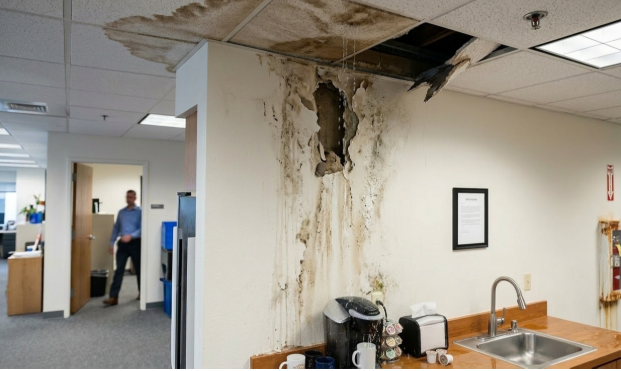
Water doesn’t discriminate. Whether it’s a burst pipe on a Sunday night, a failed sump pump during a storm, or a slow leak that went unnoticed for weeks, water damage can bring a thriving commercial property to a standstill in hours. For business owners, the stakes go far beyond the physical structure — every hour of downtime translates to lost revenue, frustrated employees, and disrupted operations.
Understanding how commercial water damage unfolds, what makes it different from residential incidents, and — most critically — how to respond quickly and correctly, could be the difference between a swift recovery and a months-long nightmare.
Why Commercial Water Damage Is a Different Beast
Most property owners tend to think of water damage as a straightforward problem: get the water out, dry things off, and move on. In a residential setting, that’s partially true. But in a commercial environment, the complexity multiplies rapidly.
Consider the scale alone. A commercial building may span tens of thousands of square feet across multiple floors, with intricate HVAC systems, server rooms, electrical panels, inventory storage, and finished spaces that all respond differently to water intrusion. Structural materials used in commercial construction — drywall, drop ceilings, carpet tiles, concrete subfloors — each absorb and retain moisture in unique ways, making thorough drying significantly more challenging.
Then there’s the operational dimension. A restaurant can’t serve food from a flooded kitchen. A law firm can’t operate without its document archives. A retail store can’t open with saturated floors and moldy shelving. The physical damage is just the beginning.
And finally, there’s the liability exposure. If water damage leads to slip-and-fall injuries, mold growth that affects tenants or employees, or structural failures that result in property loss, business owners can face significant legal and financial consequences.
The Most Common Causes of Commercial Water Damage
Water intrusion in commercial buildings typically originates from one of several sources. Knowing the most common culprits can help property managers stay proactive:
- Plumbing failures: Aging pipes, high water pressure, corrosion, and poor installation are leading causes of commercial water incidents. A single pipe burst in a ceiling can release hundreds of gallons before anyone notices.
- Roof leaks: Flat roofs — common in commercial construction — are particularly vulnerable. Standing water, worn flashing, and blocked drains lead to water infiltrating through the roofline and into the building envelope.
- HVAC system issues: Condensation lines, cooling towers, and air handling units all involve water. When they malfunction or aren’t properly maintained, the result can be slow but destructive moisture accumulation inside walls and ceilings.
- Appliance and equipment failures: Commercial kitchens, laundry facilities, and manufacturing operations often rely on water-intensive equipment. A failed dishwasher, industrial washer, or cooling system can dump large volumes of water quickly.
- Flooding and storm events: Heavy rain, overflowing municipal sewers, and stormwater surges can overwhelm drainage systems and force water into basements, ground-level spaces, and low-lying areas.
- Sprinkler system malfunctions: Fire suppression systems that activate accidentally or malfunction can drench entire floors within minutes, affecting everything from flooring and furniture to electronics and inventory.
The Hidden Timeline of Water Damage
One of the most misunderstood aspects of commercial water damage is how quickly conditions deteriorate. Property owners sometimes assume they have time to assess the situation, get multiple quotes, and plan a response. In reality, water damage follows a brutal timeline:
Within the first hour: Water spreads to adjacent materials, is absorbed by flooring and drywall, and begins saturating structural elements. Electronics and paper documents face immediate risk.
Within 24 hours: Drywall swells and begins to crumble. Metal surfaces begin to tarnish. Odors start to develop. Furniture and cabinetry suffer warping and swelling.
Within 48–72 hours: Mold growth becomes a real threat. Once mold takes hold, remediation costs increase dramatically and the health implications for building occupants become a serious concern.
After one week: Structural integrity of the building can be compromised. Restoration costs escalate significantly, and the window for salvaging materials, finishes, and contents narrows considerably.
This timeline underscores why immediate response is non-negotiable for commercial properties.
What Proper Commercial Water Damage Restoration Actually Involves
Restoring a commercial property after water damage isn’t just about drying things out. A professional restoration process follows a structured methodology designed to address all aspects of the damage — visible and hidden.
1. Emergency response and site stabilization. The first priority is stopping the source of water and securing the property. This may involve shutting off water supply lines, boarding up compromised areas, or deploying temporary pumps and extraction equipment.
2. Comprehensive moisture assessment. Using thermal imaging cameras, moisture meters, and industrial hygrometers, certified technicians map the full extent of water intrusion — including behind walls, under floors, and above ceilings.
3. Water extraction. Industrial-grade truck-mounted and portable extraction units remove standing water quickly. This step must be thorough, as residual moisture left in place accelerates mold growth.
4. Structural drying. High-capacity air movers and commercial dehumidifiers are deployed strategically throughout the affected space. Drying can take several days depending on the extent of saturation and the materials involved.
5. Mold prevention and remediation. Antimicrobial treatments are applied to affected surfaces. If mold has already begun growing, a full remediation protocol is initiated, including containment, removal, and air scrubbing.
6. Contents restoration. Documents, electronics, furniture, and inventory are assessed and, where possible, restored. Pack-out services move salvageable items to climate-controlled facilities for cleaning and drying.
7. Structural repairs and reconstruction. Once the building is dry and safe, the restoration process moves into repairs — replacing damaged drywall, flooring, ceilings, and finishes to return the property to pre-loss condition.
8. Insurance coordination. A reputable restoration company works alongside your insurance adjuster, providing documentation, moisture logs, and scope-of-work reports to support the claims process and minimize delays.
Minimizing Business Interruption During Restoration
One of the top concerns for commercial property owners is how to keep operations running — or resume them as quickly as possible — while restoration is underway.
Experienced restoration teams prioritize business continuity as part of their planning process. This means scheduling intensive drying and noisy work during off-hours where possible, isolating affected zones with containment barriers so unaffected areas remain operational, phasing reconstruction to minimize disruption, and communicating proactively with tenants, employees, and stakeholders throughout the process.
Some businesses can partially operate during restoration. Others may need to temporarily relocate. Either way, having a clear restoration roadmap — with timelines, milestones, and open communication — makes the difference between a manageable situation and an organizational crisis.
Choosing the Right Restoration Partner for Your Commercial Property
Not all restoration companies are equipped to handle the scale and complexity of commercial water damage. When evaluating your options, look for:
- IICRC certification and industry credentials
- Experience with commercial properties of similar size and type
- 24/7 emergency response capability with defined response time guarantees
- A dedicated insurance claims support process
- Advanced equipment including thermal imaging, industrial dehumidifiers, and desiccant drying systems
- Transparent communication practices and detailed documentation
- References from commercial clients in your industry or region
The right partner doesn’t just fix the damage — they guide you through the entire process, advocate on your behalf with insurers, and work tirelessly to get your business back to normal.
Don’t Wait — Every Minute Counts
Commercial water damage is one of the most expensive and disruptive events a property owner can face. But with the right response team, the outcome doesn’t have to be catastrophic. Fast action, professional expertise, and a structured restoration process can dramatically reduce damage, control costs, and restore normal operations faster than most property owners expect.
If your commercial property has been affected by water damage, don’t leave your recovery to chance. Learn more about commercial water damage restoration by Ideal Response — a team of certified professionals ready to respond 24/7 with the equipment, experience, and commitment your business needs to recover completely.
Disasters don’t wait for business hours. Neither should your restoration team.
About the Author: This article was contributed on behalf of Ideal Response, a certified restoration company serving residential and commercial properties across Canada. With 24/7 emergency response capabilities and a team of 100+ certified technicians, Ideal Response specializes in water damage, fire damage, biohazard cleanup, and environmental remediation.