Your home used to get a clear pest season.
Spring brought ants. Summer brought mosquitoes. Fall meant maybe a few rodents looking for warmth. Then winter gave you a break.
That pattern is fading.
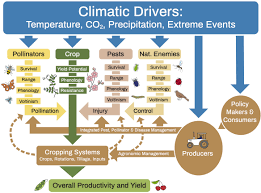
Warmer temperatures, shorter cold periods, heavy rain swings, and longer humid stretches are changing how pests behave around homes. And not just in one region. You can see it in suburbs, cities, and newer developments that were built for comfort but not always for shifting pest pressure. What used to feel like a seasonal nuisance now feels like a home health issue that follows you across the calendar.
Here’s the thing. Most people still think pest control starts when they see a problem. But climate-driven pest surges are pushing homeowners to think earlier than that. Prevention is no longer extra. It is part of basic home care, right next to HVAC checks and leak repair.
Why pest seasons no longer act like seasons
For years, homeowners could rely on colder months to slow insect activity. That pause helped. It interrupted breeding cycles and reduced indoor pressure.
Now, in many places, that pause is weaker.
Milder winters let more pests survive. Early warm spells wake them up sooner. Then a surprise cold snap hits, and they move toward sheltered spaces like crawl spaces, attics, wall voids, garages, and utility areas. Your house becomes the buffer zone.
That means you are not only dealing with more pests. You are dealing with weird timing.
The stop-start weather effect
Pests respond fast to temperature and moisture. They do not care what month the calendar says. If conditions feel right, they move, feed, and reproduce.
A warm week in late winter can trigger activity that normally starts in spring. A wet stretch after a dry period can push insects into basements and ground floors. Then heat arrives and speeds up life cycles. It all stacks up.
You know what? That is one reason homeowners feel like infestations came out of nowhere. They did not. The timeline changed.
Modern homes can accidentally help pests
Newer homes are energy-efficient, sealed tighter, and built with comfort in mind. That is great for utility bills. But it can also create steady indoor conditions pests like.
When a home holds warmth and moisture, pests do not need much encouragement. Add a hidden leak, mulch close to the foundation, storage clutter, or even overwatered landscaping, and you get a quiet invitation.
It is a little like leaving snacks in a break room and acting surprised when people gather there.
The pests getting more attention inside homes
Not every pest responds the same way to climate shifts. Some become more active for longer. Others expand into areas where people did not expect them before. And some simply show up in bigger numbers after weather events.
The result is the same for you. More vigilance, more maintenance, and more year-round planning.
Mosquitoes and standing water problems that keep coming back
Mosquitoes are the obvious one, but they are still worth talking about because they adapt so well around homes. You do not need a swamp to have a mosquito issue. A clogged gutter, plant saucer, birdbath, kiddie toy, or low spot in the yard can do the job.
Longer warm periods extend breeding windows. More intense rain creates temporary water pockets. Then heat speeds development. So the cycle repeats faster than many families expect.
Why this is now a home routine issue
People used to treat mosquitoes as an outdoor annoyance tied to evenings on the patio. Now families connect them with daily safety, especially when kids and pets use the yard often.
That changes the conversation. You are not just swatting bugs. You are managing a recurring risk around the places your family uses most.
And yes, this is where prevention treatment becomes a practical term, not just a service phrase. You inspect, remove water sources, manage landscaping, and build a schedule instead of reacting one bite at a time.
Ticks, edge zones, and the backyard you thought was low risk
Ticks are often treated like a hiking problem. But many exposures happen much closer to home than people assume.
As temperatures shift and vegetation cycles change, ticks can stay active longer in brushy edges, shaded lawns, wood lines, and areas where pets move in and out. If your yard backs up to green space, even a neat yard can still sit next to a high-pressure zone.
That is why “inside modern homes” matters in this topic. The risk starts outside, then enters through shoes, pets, laundry baskets, and daily routines.
The pet factor most homeowners underestimate
Pets act like furry taxis for pests. They move between yards, sidewalks, shrubs, decks, and indoor soft surfaces. If prevention falls behind, your home can go from clean-looking to pest-active without a dramatic warning sign.
Honestly, this is where many homeowners get frustrated. They are doing normal cleaning, but the problem keeps returning because the source is environmental, not just indoor.
A strong plan treats the home, the yard, and the habits around both.
It is not only bugs, it is moisture, damage, and the repair cycle
Climate-driven pest surges are not only about bites or sightings. They also raise the odds of hidden damage and repeated repair costs.
More moisture can support termite pressure in some areas. Heavy rain can drive ants and roaches indoors. Rodents move in during weather extremes and chew insulation, wires, and stored items. Then you are not just calling for pest removal. You are dealing with cleanup and rehabilitation after severe infestation damage.
That phrase sounds dramatic, but sometimes it is the right one.
When an infestation affects cabinets, drywall, attic insulation, or pantry storage, the job starts to look like a mini restoration project. At that point, your home starts to feel less like a living space and more like a treatment center for recurring structural issues. Not ideal, but very real.
Why delayed action gets expensive fast
A small pest issue stays small only when you catch it early.
Once weather patterns keep pressure high, pests return to the same entry points and nesting areas. If you ignore those patterns, you pay for the same problem in different forms. First the insects. Then the patchwork fixes. Then the deeper repair.
This is why smart homeowners now treat pest prevention as part of home systems management. It sits alongside drainage, ventilation, sealing, and sanitation.
What year-round prevention looks like in real life
You do not need a complicated plan. You need a consistent one.
Start with the basics and repeat them. That sounds simple because it is. And it works because it is regular.
A practical home prevention checklist
- Check for standing water weekly, especially after rain
- Clean gutters and downspouts so water moves away from the house
- Trim plants that touch siding or windows
- Seal small gaps around doors, pipes, and utility lines
- Fix leaks fast, including tiny drips under sinks
- Store food and pet food in sealed containers
- Vacuum hidden areas more often during warm and wet months
- Inspect pet bedding and entry zones
If you live in a high-pressure area or your home has recurring activity, working with a professional can save time and reduce repeat problems. A local pest control company in Orlando can help map the actual pressure points around your property and set a treatment schedule that matches your climate pattern, not just a generic season.
The bigger shift is mindset, and that matters
The biggest change is not the bugs.
It is how homeowners think about them.
People are moving from “this is annoying” to “this affects how safely and comfortably we live.” That shift matters because it leads to better habits, earlier inspections, and fewer surprise infestations. It also helps families make sense of what feels random. A lot of it is not random anymore. It is environmental pressure showing up at home.
Let me explain the good news. You can still stay ahead of it.
You do not need fear. You need awareness, routine checks, and a plan that fits your region and your home setup. Modern homes are still great places to live. They just need modern pest prevention too.
And that is the real takeaway. Climate-driven pest surges changed the schedule. Once you accept that, your home protection plan gets a lot smarter.