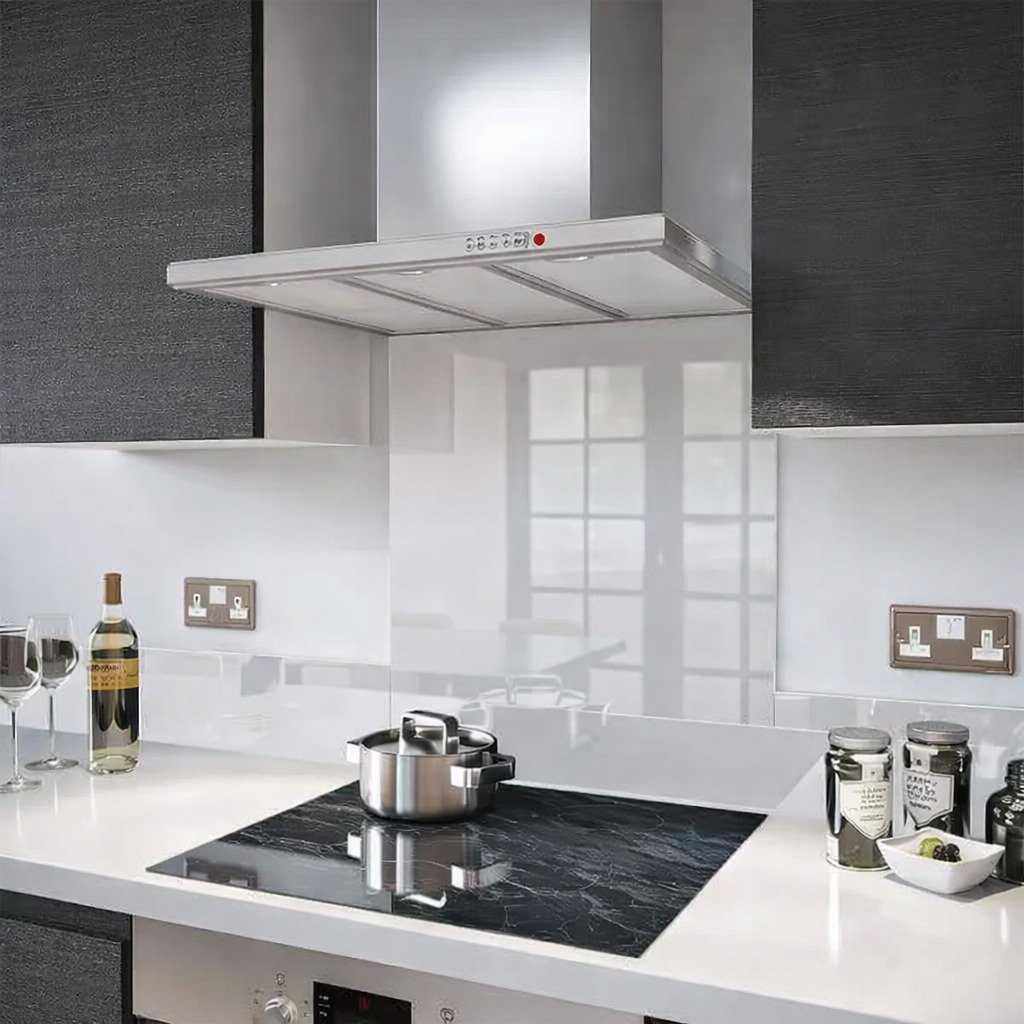
Many homeowners reach a point where traditional tiled splashbacks begin to show their age. Grout lines can discolour, cleaning becomes more difficult, and what once looked fresh starts to feel dated. As kitchen design continues to evolve across the UK, glass splashbacks are increasingly being chosen as a practical and modern alternative.
Glass splashbacks serve a simple but essential purpose. Installed behind hobs, sinks, or worktops, they protect walls from heat, moisture, grease, and food splashes. However, beyond protection, they have become an important design feature, helping create cleaner, more contemporary kitchens.
Why glass splashbacks are becoming more common
One of the main reasons glass splashbacks have grown in popularity is their seamless surface. Unlike tiles, which require grout between each section, a glass splashback is usually manufactured as a single panel. This eliminates joints where grease and dirt can build up over time.
Cleaning is noticeably easier as a result. In most cases, a quick wipe with a cloth and standard glass cleaner is enough to maintain the finish. There is no grout to scrub or maintain, which makes glass particularly appealing in busy households.
Glass also reflects light, helping kitchens feel brighter and more open. This can make a noticeable difference in smaller kitchens or areas with limited natural light.
Toughened glass is designed for kitchen use
Modern glass splashbacks are manufactured using toughened safety glass. This type of glass undergoes a thermal tempering process, where it is heated and rapidly cooled to increase its strength.
The result is glass that is significantly stronger than standard glass and capable of withstanding high temperatures. Toughened glass splashbacks are suitable for installation behind gas, electric, and induction hobs when correct clearances are followed.
This durability ensures the splashback can handle everyday kitchen use without cracking or deteriorating.
A wide range of design options
Glass splashbacks offer far more flexibility in design compared to traditional materials, and are one of the most popular options, allowing homeowners to match cabinets, worktops, or wall colours precisely.
Low-iron glass is often used to ensure colours appear clear and accurate without the green tint associated with standard glass.
Printed splashbacks are another option, where images, patterns, or textures are applied directly to the glass. These can replicate materials such as marble, stone, or concrete, or display completely custom designs.
Mirrored splashbacks are also commonly used, particularly in smaller kitchens, as they help create the impression of additional space.
Measuring and installation considerations
Because glass splashbacks are typically made to measure, accurate sizing is essential. Measurements should be taken carefully, particularly where electrical sockets or switches are present. Once toughened, glass cannot be cut or altered.
Installation itself is usually straightforward. Splashbacks are fixed to the wall using neutral cure silicone adhesive. The wall surface must be clean, dry, and level to ensure proper adhesion and a flat finish.
In many cases, splashbacks can be installed over existing tiles, provided the surface is even and secure.
Long-term durability and maintenance
Glass splashbacks are designed to maintain their appearance over time. They do not absorb moisture, and the surface is resistant to staining. This makes them particularly suitable for areas exposed to cooking heat and food splashes.
Unlike tiled surfaces, there is no risk of grout discolouration, cracking, or mould growth between joints.
Maintenance requirements are minimal, typically involving only routine cleaning with non-abrasive products.
A practical and aesthetic upgrade
Glass splashbacks combine functional protection with modern design. Their durability, ease of maintenance, and design flexibility make them suitable for a wide range of kitchens, from new builds to renovation projects.
As homeowners continue to prioritise materials that offer both appearance and practicality, glass splashbacks have become a standard feature in many contemporary UK kitchens. Their ability to provide a clean, seamless finish while simplifying maintenance makes them an increasingly preferred alternative to traditional tiled splashbacks.