Introduction
In recent years, home elevators have moved beyond being a luxury reserved for mansions and penthouses. Across Australia, more homeowners are choosing residential lifts as a smart, future-focused investment. Whether it’s a multi-storey family home, a coastal retreat, or a contemporary townhouse, a well-designed lift offers both practical advantages and a strong design statement.
From improving accessibility to enhancing property value, home elevators are becoming an essential feature in modern Australian luxury homes.
Why Install a Home Elevator in Australia?
Australia’s housing market features a growing number of double- and triple-storey homes, particularly in urban areas where land is limited. Installing a home elevator provides long-term convenience, especially for families planning to age in place or accommodate different mobility needs. This is where experienced lift designers play a crucial role, ensuring the elevator integrates seamlessly into the home’s structure and lifestyle requirements.
Beyond accessibility, a residential lift can significantly enhance property value. Buyers increasingly view lifts as a premium feature that signals quality, comfort, and future readiness. In addition, lifts reduce daily strain from stairs, making life easier for children, older adults, and anyone carrying groceries or luggage between floors. Working with an Australian specialist such as West Coast Elevators, who understands local building standards and design expectations, helps ensure a safe and stylish outcome tailored to Australian homes.
Key Design Considerations for Australian Homes
Designing a home elevator is not a one-size-fits-all process. Australian homes vary widely in layout, architectural style, and environmental conditions, so careful planning is essential. Space is often the first consideration. Some homes can accommodate a lift shaft, while others benefit from compact or shaftless designs that minimize structural changes.
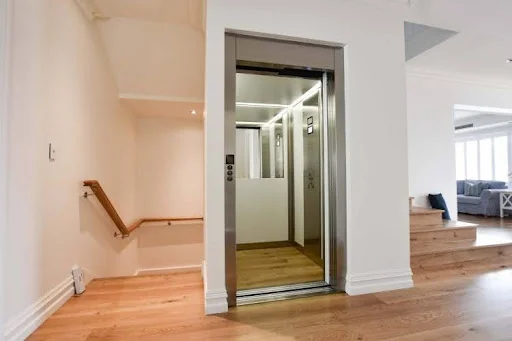
Style is equally important. Many Australian homeowners prefer clean, modern aesthetics with glass panels, stainless steel finishes, or warm timber accents that complement contemporary interiors. For heritage or coastal homes, softer materials and neutral tones often blend better with the surroundings. Climate also matters—materials must withstand temperature changes, humidity, and coastal air where applicable. Choosing durable finishes ensures the lift remains attractive and functional for years to come.
Finding the Right Australian Lift Designer
Selecting the right professional is one of the most important steps in the process. A reputable Australian lift designer will offer more than just technical expertise—they will understand how to balance safety, aesthetics, and usability. Homeowners should look for companies with proven experience in residential projects, strong local references, and a clear understanding of Australian standards.
It’s also wise to ask detailed questions during the selection process. What customization options are available? How is compliance with Australian building codes ensured? Are components locally manufactured or imported, and what does that mean for maintenance and spare parts? Local manufacturing often provides faster support and better adaptation to Australian conditions, which can be a major advantage in the long run.
The Design Process Explained
The journey to installing a home elevator typically begins with a consultation. During this stage, designers assess the home’s layout, structural requirements, and the homeowner’s preferences. This is followed by planning and design, where details such as size, finishes, door styles, and control panels are finalized.
Customization is a major benefit of modern residential lifts. Homeowners can choose from a wide range of finishes, lighting options, and interior designs to match their home’s character. Once designs are approved, installation timelines are usually straightforward, often taking a few weeks depending on the complexity of the project. Clear communication throughout the process helps ensure minimal disruption and a smooth experience.
Safety, Compliance, and Technology
Safety is a non-negotiable aspect of any home elevator. Australian standards are among the strictest in the world, covering everything from load capacity to emergency systems. Working with a local expert ensures compliance with these regulations, giving homeowners peace of mind.
Modern residential lifts also incorporate advanced technology. Features such as smooth start-and-stop mechanisms, backup power systems, and intuitive controls enhance both safety and comfort. Some systems even offer smart-home integration, allowing homeowners to monitor or operate their lift with ease. Investing in high-quality technology not only improves daily use but also contributes to long-term reliability.
Long-Term Value and Lifestyle Benefits
A home elevator is more than a convenience—it’s a lifestyle upgrade. For families, it provides flexibility as needs change over time. For luxury homeowners, it adds a sense of exclusivity and sophistication. Importantly, a well-designed lift can reduce the need for costly renovations later in life, making it a forward-thinking investment.
From a financial perspective, residential lifts can increase resale appeal. As accessibility becomes a priority for many buyers, homes equipped with elevators stand out in the market. Combined with thoughtful design and quality installation, a lift becomes a feature that delivers value well beyond its initial cost.
Conclusion
Home elevators are rapidly becoming a defining feature of Australian luxury homes, offering a blend of accessibility, comfort, and refined design. From understanding design considerations to navigating safety standards and customization options, choosing the right professional makes all the difference. By working with experienced lift designers, homeowners can ensure their elevator not only meets practical needs but also enhances the overall style and value of their property. Exploring residential elevator options today is a smart step toward a more comfortable and future-ready Australian home.