When most homeowners think about upgrading their outdoor spaces, they focus on furniture, landscaping, or shade structures. But the surface beneath your feet is arguably the most important element of any exterior renovation. Whether you are sealing a cracked driveway, resurfacing a worn parking area, or creating a durable foundation for an outdoor living zone, the materials and coatings you choose will determine how long your investment lasts and how good it looks for years to come. Asphalt surfaces, in particular, require thoughtful maintenance and professional-grade treatment to withstand seasonal stress, UV exposure, and heavy use.
Why Surface Quality Matters More Than You Think
Outdoor surfaces take a beating year-round. In summer, intense heat causes asphalt to soften and become vulnerable to rutting and cracking. In winter, freeze-thaw cycles force water into existing micro-cracks, expanding them into costly structural damage. Without proper sealing and coating, even a well-installed asphalt surface can deteriorate within a few years. The good news is that modern asphalt coatings have advanced significantly, offering superior protection against oxidation, water infiltration, and UV degradation. Choosing the right coating product and applying it correctly can extend the life of your asphalt surface by a decade or more.
The Science Behind Asphalt Degradation
Asphalt is a petroleum-based material, which means it is inherently susceptible to oxidation over time. When exposed to sunlight and oxygen, the binders that hold asphalt aggregate together begin to break down, causing the surface to become brittle, gray, and prone to cracking. This process accelerates in regions with extreme temperature swings or prolonged sun exposure. Sealcoating acts as a protective barrier, slowing oxidation and replenishing the surface with flexible binders that keep the asphalt pliable and resilient. Understanding this chemistry is key to appreciating why routine maintenance is not optional — it is essential.
Connecting Outdoor Living Design with Durable Surface Solutions
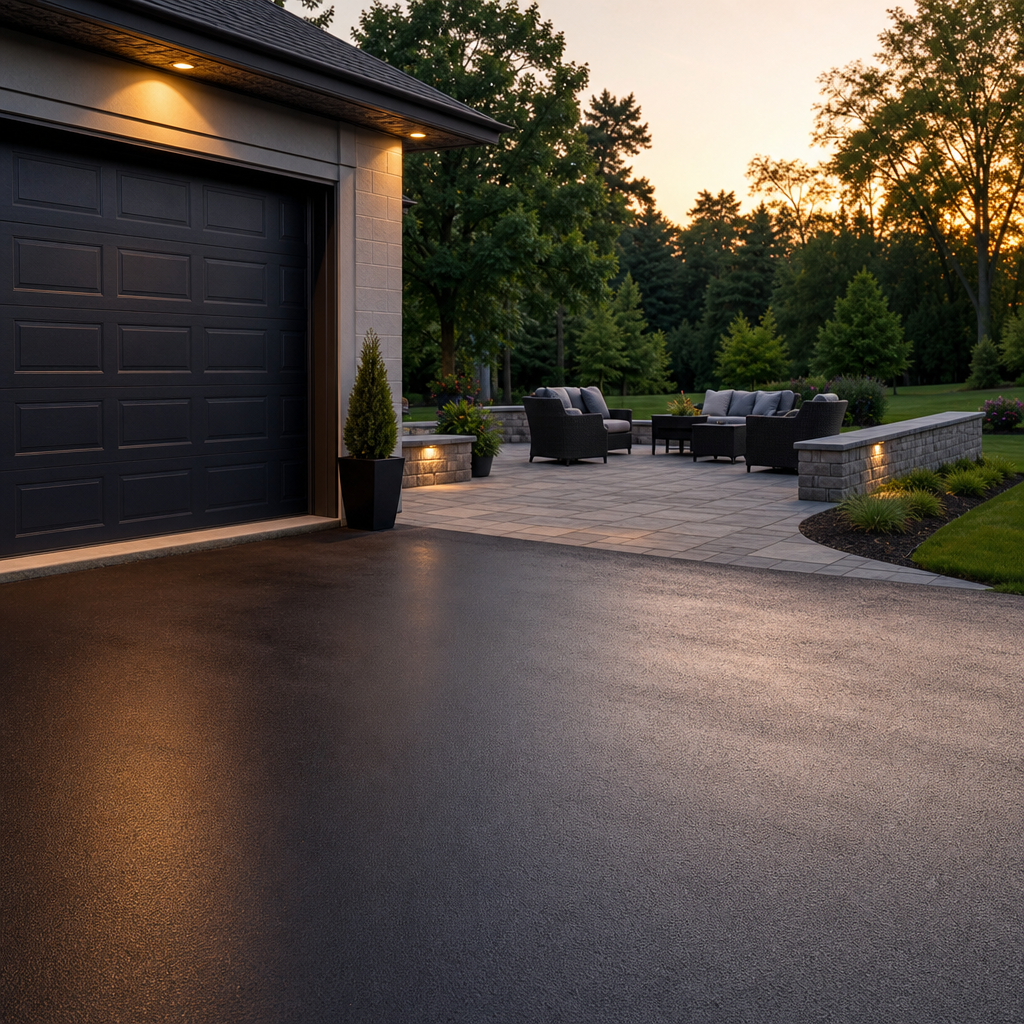
There is a growing trend among homeowners to treat their driveways, walkways, and patios as extensions of their interior living spaces. This holistic approach to outdoor design means that surface quality, aesthetics, and durability all need to work together. If you are planning to upgrade your patio for summer fun and shade, it makes sense to simultaneously evaluate the condition of surrounding asphalt surfaces. A beautifully designed patio loses its appeal when it is bordered by a crumbling, oil-stained driveway or a faded, cracked walkway. Coordinating your surface treatments ensures a cohesive, polished look throughout your entire outdoor environment.
Choosing the Right Coating for Each Surface Type
Not all asphalt coatings are created equal, and selecting the right product depends on the specific application. Coal tar emulsion sealers offer exceptional resistance to fuel and chemical spills, making them ideal for driveways and commercial parking lots. Asphalt-based emulsion sealers are more environmentally friendly and work well for residential applications where chemical exposure is minimal. For decorative surfaces near patios or pool areas, acrylic coatings provide a clean, attractive finish while still delivering solid protection. Consulting with a professional coating specialist ensures you get the right product for your specific surface conditions and usage patterns.
The Growing Pressure on Cities and the Asphalt Industry
The conversation around asphalt is no longer limited to driveways and parking lots. Urban planners and environmental advocates are increasingly scrutinizing how traditional asphalt surfaces contribute to the urban heat island effect, where cities become significantly warmer than surrounding rural areas due to heat-absorbing pavement and reduced vegetation. According to a detailed report on the asphalt industry’s heat challenges, municipalities across the country are running out of patience with conventional paving solutions and are actively seeking cooler, more reflective alternatives. This shift is pushing manufacturers and contractors to innovate with lighter-colored coatings, reflective additives, and permeable paving options that reduce heat absorption without sacrificing durability.
What This Means for Residential Property Owners
The innovations being driven by urban heat concerns are trickling down to the residential market in meaningful ways. Homeowners now have access to reflective sealcoating products that can reduce surface temperatures by up to 20 degrees Fahrenheit compared to untreated asphalt. This is particularly valuable for driveways adjacent to garages or outdoor living areas, where radiated heat can make the surrounding space uncomfortable during peak summer months. Choosing a thermally efficient coating is not just an environmental decision — it is a practical one that directly improves the comfort and usability of your outdoor spaces.
Professional Expertise Makes the Difference
One of the most common mistakes homeowners make is treating asphalt maintenance as a straightforward DIY project. While basic crack filling can be handled by a motivated homeowner, full sealcoating and resurfacing require professional equipment, proper surface preparation, and technical knowledge to achieve lasting results. Inadequate surface cleaning, incorrect product dilution, or poor application technique can result in peeling, bubbling, or premature failure — wasting both time and money. Professional contractors bring the right tools, trained crews, and quality-controlled products to every job, ensuring the coating bonds properly and performs as intended for years.
Timing and Preparation: The Keys to a Successful Application
Even the highest-quality coating will underperform if applied under the wrong conditions. Asphalt sealcoating should be done when temperatures are consistently above 50 degrees Fahrenheit and no rain is expected for at least 24 hours after application. The surface must be thoroughly cleaned of dirt, oil, and vegetation, and all cracks should be filled and allowed to cure before the coating is applied. Proper edging and masking protect adjacent surfaces from overspray. These preparation steps are time-consuming but non-negotiable for achieving a professional-grade result that holds up under real-world conditions.
A Trusted Name in Asphalt Surface Protection
When it comes to protecting and preserving asphalt surfaces, working with an experienced and reputable contractor is the single most important decision you can make. Asphalt Coatings Company brings decades of industry expertise to residential and commercial projects, offering a full range of sealcoating, crack repair, and surface restoration services. Their team understands the specific demands of different climates and surface types, and they use proven products and techniques to deliver results that stand the test of time. Whether you are maintaining a residential driveway or managing a large commercial property, their commitment to quality craftsmanship sets them apart in a competitive industry.
Conclusion: Invest in Your Surfaces, Invest in Your Property
Your outdoor surfaces are among the most visible and heavily used elements of your property. Neglecting them leads to accelerating deterioration, costly repairs, and a diminished curb appeal that affects your home’s overall value. By taking a proactive approach to asphalt maintenance — choosing the right coatings, working with qualified professionals, and staying informed about industry innovations — you protect your investment and create an outdoor environment that is both functional and visually appealing. Whether you are refreshing a tired driveway or building a comprehensive outdoor living space from the ground up, surface quality should always be at the top of your priority list.