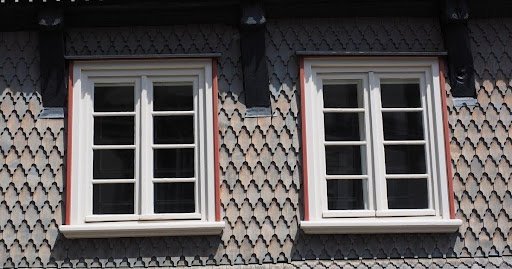
Cladding systems are an integral component of today’s buildings, providing a powerful solution to elevate the design quality, protect against the elements and enhance thermal efficiency. From residential projects to commercial buildings, educational institutions to high-rise structures, modern cladding solutions offer durability, efficiency, and value over time.
With the ongoing development of construction methods, cladding systems are being increasingly called for in projects that demand rapid installation, light load-bearing and high façade performance. Skilled developers, architects and builders are increasingly opting for superior cladding systems due to the numerous advantages they offer the building.
Good cladding systems also enable contemporary building techniques to deliver high-specification performance whilst providing a pleasing exterior finish.
What Are Cladding Systems?
Cladding systems are external building-envelope solutions added to the outside of a building. The main function of their is to shield the building from the weather and to provide an appealing exterior.
Compared with conventional masonry buildings, contemporary cladding systems are frequently prefabricated and designed for rapid installation. This can help to speed up construction, enhance the uniformity, and ease project management.
Numerous systems are designed to offer superb resistance to the elements, high thermal efficiency, and longevity across a variety of building sites.
Why Cladding Systems Are Popular in Modern Construction
There is still great interest in advanced façade solutions throughout the UK construction industry. The advantages of modern cladding on the exterior wall are several over the traditional exterior wall assembly.
Key benefits include:
-
Improved thermal performance
-
Reduced structural loading
-
Faster installation programmes
-
Enhanced weather protection
-
Greater design flexibility
-
Long service life
-
Lower maintenance requirements
-
Consistent factory-controlled quality
The benefits of cladding systems make them ideal for new-build and refurbishment schemes.
Brick Slip Cladding Systems
Brick slip cladding is still one of the most popular façade solutions for new developments today. It offers the true look of antique bricklaying and offers substantial weight and installation savings.
Advanced Construction Systems produces FastClad Brick Slip Systems, which allow the appearance, texture and durability of real brick without having to use traditional masonry construction techniques. These systems are prevalent on residential, commercial and mixed-use projects.
Brick slip systems are very useful where weight considerations, programme timescales, and design specifications all need to be considered.
Rainscreen Cladding Solutions
The aim of rainscreen cladding systems is to provide an outer protective layer separated from the building’s structure by a ventilated cavity.
It regulates moisture, facilitates breathability and enhances building performance. Commercial buildings, education, healthcare developments and residential schemes all have extensive use of rainscreen facades. The ventilated construction design reduces moisture problems and supports energy-efficiency goals.
Materials Used in Cladding Systems
Today, a variety of materials can be used to clad a building, depending on the style and desired result.
Some of the most common cladding materials are:
-
Brick slips
-
Fibre cement panels
-
Aluminium panels
-
Composite panels
-
Natural stone
-
Steel cladding
-
Timber cladding
-
High-pressure laminate panels
The advantages each material offers in terms of aesthetics, longevity, maintenance, and affordability are unique. The materials used will vary according to project goals, environmental factors and design requirements.
Fire Performance and Regulatory Compliance
One crucial factor to consider when choosing exterior facade systems is fire safety. The modern cladding products comply with the strict building regulations and performance standards set in the UK.
Advanced solutions such as FastClad A2 are designed for projects that require enhanced fire classification, including residential buildings, healthcare facilities, student accommodation, and care homes. Ensuring regulatory compliance at the specification stage helps reduce project risks and supports long-term building safety.
Thermal Efficiency and Building Performance
Energy efficiency remains important throughout the construction industry. High-performance cladding systems can play a major role in enhancing the thermal performance of buildings.
With the assistance of insulation and appropriately designed cavity structures, cladding can help reduce heat loss and lower energy consumption. Ventilated façade technologies also support moisture management, which is essential for maintaining the building envelope’s integrity.
The benefits help meet sustainability goals and improve occupants’ year-round comfort.
Design Flexibility for Architects
The design freedom is one of the best aspects of contemporary cladding systems.
Architects can get a wide variety of looks, textures, colours and finishes, while keeping the same performance qualities. New cladding solutions can be used in both new and older architecture.
Cladding systems enable the designer to create a unique face on the building, whether for a commercial façade or a brick-effect residential elevation, to achieve both aesthetic and technical goals in one.
Applications Across Multiple Sectors
Cladding systems are widely applied in the construction industry.
Typical applications include:
-
Residential developments
-
Apartment buildings
-
Commercial offices
-
Educational facilities
-
Healthcare buildings
-
Student accommodation
-
Retail developments
-
Industrial facilities
-
Mixed-use schemes
They are adaptable and can be used to good effect in a range of building types and project scales.
Choosing the Right Cladding System
There are several factors to consider when choosing the best cladding system.
Important considerations include:
-
Project budget
-
Building height
-
Fire performance requirements
-
Structural loading limitations
-
Thermal efficiency goals
-
Maintenance expectations
-
Installation programme
-
Desired architectural appearance
Leading manufacturers of cladding and façade systems ensure that the chosen cladding system meets performance and design requirements.
Conclusion
Today’s cladding systems are smart solutions to ensure attractive, durable and efficient building facades. Today’s technologies offer excellent flexibility and performance, from brick slip cladding to rainscreen façades to advanced fire-rated systems.
By combining weather resistance, energy efficiency, design versatility, and long-term durability, cladding systems continue to play a vital role in contemporary construction projects throughout the UK. Whether for residential, commercial, or large-scale developments, a professionally specified cladding solution can deliver lasting value and outstanding façade performance.