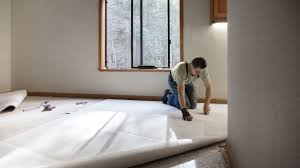
Installing carpet in your home is one of the most effective ways to improve comfort, enhance aesthetics, and add warmth to any living space. Whether you’re upgrading a single room or carpeting your entire home, understanding the process can help you make informed decisions and ensure a long-lasting result. From selecting the right material to proper installation techniques, every step plays a crucial role in achieving a professional finish.
Choosing the Right Carpet
Before installation begins, selecting the right carpet is essential. Carpets come in a variety of materials, including nylon, polyester, olefin, and wool. Nylon is one of the most popular choices due to its durability and resistance to wear, making it ideal for high-traffic areas like hallways and living rooms. Polyester offers a softer feel and is often more budget-friendly, while wool provides a luxurious, natural option with excellent longevity.
In addition to material, consider the carpet pile. Cut pile carpets offer a soft and plush feel, while loop pile carpets are more durable and better suited for busy households. Color and pattern also matter—lighter colors can make a room feel larger, while darker shades are better at hiding stains.
Preparing Your Space
Preparation is a critical step that is often overlooked. Before installation, remove all furniture and ensure the subfloor is clean, dry, and level. Any debris or uneven surfaces can affect how the carpet lays and may lead to premature wear.
If you are replacing old carpet, it must be carefully removed along with the padding underneath. Inspect the subfloor for damage, such as cracks or moisture issues, and address these problems before proceeding. A properly prepared surface ensures the new carpet will perform well over time.
The Importance of Carpet Padding
Carpet padding is just as important as the carpet itself. It provides cushioning, improves insulation, and extends the life of your carpet by reducing wear. There are different types of padding available, including foam, rubber, and fiber options.
The thickness and density of the padding should match the type of carpet you choose. For example, a dense pad works best under low-pile carpets, while thicker padding is suitable for plush carpets. Investing in quality padding can significantly enhance comfort and durability.
Measuring and Cutting
Accurate measurements are essential for a successful installation. Rooms should be measured carefully, taking into account closets, corners, and irregular shapes. It’s always a good idea to add a little extra material to account for mistakes or adjustments during installation.
Once measurements are complete, the carpet is cut to fit the space. This step requires precision to ensure seams are minimized and patterns align correctly. Improper cutting can lead to visible seams and wasted material.
Installation Process
The installation process typically begins with laying down tack strips around the perimeter of the room. These strips help hold the carpet in place. Next, the padding is installed and secured, creating a smooth base for the carpet.
The carpet is then rolled out, trimmed, and stretched across the room using specialized tools like a power stretcher. Stretching is crucial—it prevents wrinkles and ensures a tight, secure fit. The edges are tucked neatly along the walls for a clean, finished look.
Seams are carefully joined using adhesive or heat tape, depending on the type of carpet. A professional installer will ensure seams are virtually invisible and properly aligned.
DIY vs. Professional Installation
While some homeowners may consider installing carpet themselves, it can be a challenging and time-consuming process. Specialized tools and expertise are required to achieve a professional result. Mistakes such as improper stretching or poorly aligned seams can lead to costly repairs.
Hiring professionals ensures the job is done correctly and efficiently. Experienced carpet installers Indianapolis homeowners rely on have the tools and knowledge needed to handle any challenges that arise during installation. This can save time, reduce stress, and provide peace of mind.
Maintenance After Installation
Once your carpet is installed, proper maintenance is key to preserving its appearance and lifespan. Regular vacuuming helps remove dirt and debris that can damage fibers over time. It’s also important to address spills immediately to prevent stains.
Professional cleaning every 12–18 months can help maintain the carpet’s condition and extend its life. Additionally, using area rugs in high-traffic zones can reduce wear and tear.
Final Thoughts
Installing carpet in your home is an investment that can dramatically improve comfort, style, and value. By choosing the right materials, preparing your space properly, and ensuring a quality installation, you can enjoy beautiful, durable flooring for years to come. Whether you take the DIY route or hire professionals, understanding the process will help you achieve the best possible results.