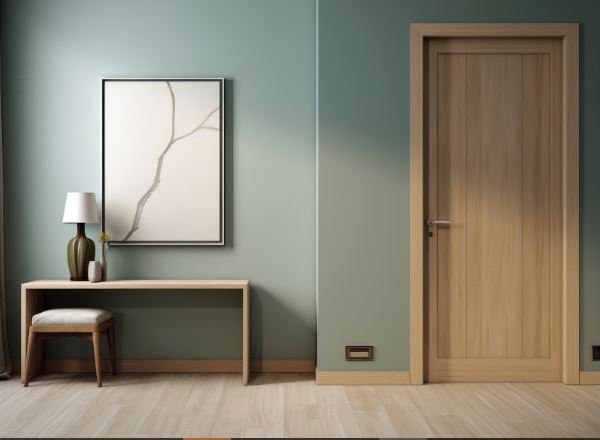
As an architect or developer, selecting the right interior doors for residential and commercial projects is crucial for both aesthetics and safety compliance. In recent years, WPC doors (Wood-Plastic Composite doors) have emerged as a game-changing solution that combines durability, sustainability, and fire safety. This comprehensive guide explores everything you need to know about fire-retardant WPC interior door options.
Understanding WPC Interior Doors: The Modern Alternative
WPC interior doors represent a significant advancement in building materials technology. Unlike traditional solid wood or hollow-core doors, WPC doors are engineered composites made from wood fibers and thermoplastic polymers. This unique composition delivers superior performance characteristics that modern construction projects demand.
The advantages of WPC doors extend far beyond basic functionality. These doors offer exceptional moisture resistance, dimensional stability, and longevity—making them ideal for high-traffic commercial spaces and humid residential environments. For architects and developers working on large-scale projects, WPC doors eliminate many of the maintenance concerns associated with conventional materials.
Fire Safety: A Critical Consideration for WPC Doors
Fire safety is non-negotiable in contemporary building design. Building codes and regulations increasingly mandate fire-retardant materials for interior applications, particularly in multi-family residential buildings, hospitality venues, and commercial spaces.
Fire-Retardant Technology in WPC Doors
Modern WPC interior doors incorporate advanced fire-retardant additives that meet or exceed industry standards. These include:
- Class A fire ratings that demonstrate superior fire performance
- Smoke development ratings that minimize toxic emissions
- Flame spread ratings compliant with ASTM E84 standards
- Intumescent seals that expand when exposed to heat, preventing smoke and flame penetration
The fire-retardant properties of quality WPC doors are achieved through careful material selection and manufacturing processes, not surface treatments that degrade over time. This ensures consistent performance throughout the door’s lifespan.
Compliance and Certification
When specifying interior doors for your projects, verify that products carry appropriate certifications such as:
- UL (Underwriters Laboratories) certification
- NFPA (National Fire Protection Association) compliance
- Local building code approvals
- ISO fire safety standards
Architects should request technical documentation and fire test reports from manufacturers to ensure specifications meet project requirements.
Design Flexibility and Aesthetic Appeal
One misconception about fire-retardant WPC doors is that they sacrifice aesthetics for safety. In reality, contemporary WPC interior doors offer remarkable design versatility.
Style Options
- Modern minimalist designs with clean lines and contemporary finishes
- Traditional wood-grain appearances that mimic natural timber
- Textured surfaces that add visual interest and sophistication
- Custom color options coordinating with interior design schemes
- Various panel configurations from flush doors to raised-panel styles
This design flexibility allows architects to maintain cohesive interior design narratives while meeting stringent fire safety requirements.
Performance Benefits for Large-Scale Projects
For developers managing substantial residential or commercial projects, WPC doors deliver multiple operational advantages:
1. Durability and Longevity
WPC interior doors resist warping, swelling, and shrinking caused by humidity fluctuations—a critical advantage in challenging climates. Unlike solid wood doors that require refinishing and maintenance, these doors maintain their appearance with minimal upkeep.
2. Moisture Resistance
In kitchens, bathrooms, and commercial spaces with high humidity, WPC doors outperform traditional materials. They won’t absorb moisture, preventing mold growth and structural degradation.
3. Acoustic Performance
Quality WPC doors provide excellent sound insulation, creating quieter, more comfortable interior spaces—particularly valuable in multi-family residential projects.
4. Sustainability
For environmentally-conscious projects, WPC doors utilize recycled wood fibers and plastic materials, reducing environmental impact while maintaining superior performance.
Installation Considerations for Architects and Contractors
Successful implementation of WPC interior doors requires proper specification and installation:
Specification Best Practices
- Clearly define fire-rating requirements in project specifications
- Specify door thickness, dimensions, and hardware requirements
- Include detailed finish specifications and color samples
- Require manufacturer certifications and compliance documentation
Installation Requirements
- Use qualified installers familiar with WPC door installation
- Ensure proper frame preparation and alignment
- Install fire-rated hardware compatible with WPC doors
- Follow manufacturer guidelines for sealing and finishing
Cost-Benefit Analysis
While WPC doors may have higher initial costs compared to hollow-core alternatives, the long-term value proposition is compelling:
- Reduced maintenance costs over the building’s lifetime
- Extended service life (20+ years with proper care)
- Lower replacement frequency compared to traditional doors
- Improved property value through enhanced durability and safety
- Compliance certainty reducing potential code violation issues
For large-scale projects, bulk purchasing and integrated installation can significantly improve unit economics.
Selecting the Right WPC Door Manufacturer
Not all WPC interior doors are created equal. When evaluating manufacturers, consider:
- Manufacturing standards and quality control processes
- Fire certification credentials and test documentation
- Customization capabilities for project-specific requirements
- Warranty coverage and customer support
- Installation support and technical guidance
- Project references from comparable installations
Future Trends in WPC Interior Door Technology
The WPC door industry continues evolving with innovations including:
- Enhanced acoustic performance through advanced core designs
- Improved fire-retardant formulations with better environmental profiles
- Smart door integration with building automation systems
- Expanded color and finish options
- Improved installation systems, reducing on-site labor
Conclusion
Fire-retardant WPC interior doors represent a sophisticated solution for architects and developers seeking to balance safety, aesthetics, durability, and sustainability. As building codes continue emphasizing fire safety and environmental responsibility, WPC doors position projects at the forefront of modern construction standards.
OPPOLIA offers turnkey whole-house solutions, from interior design and production to installation. With exports to over 100 countries and 10,000+ completed projects, OPPOLIA brings unmatched expertise to large-scale initiatives.
Whether you’re designing a residential complex, hospitality venue, or commercial space, OPPOLIA’s comprehensive WPC doors collections deliver fire-retardant performance, aesthetic excellence, and reliable durability.
Learn more about OPPOLIA’s WPC doors collections and discover how they can support your next project.