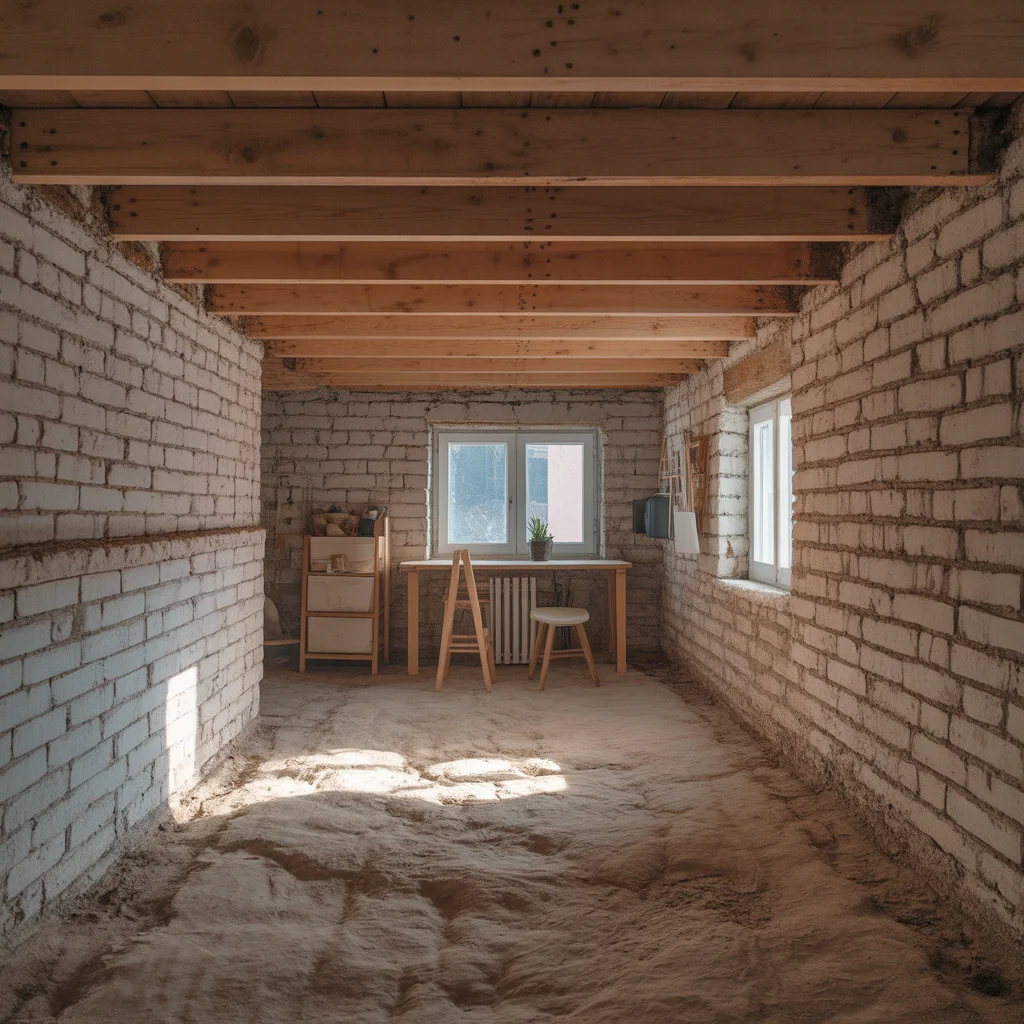
Living in a house where air, health, and comfort feel off without any obvious reason often leads back to the unseen crawl spaces beneath. Over time, I’ve noticed how these overlooked areas quietly shape indoor air quality, especially when contaminants, dust mites, and mold spores begin circulating upward. The reality is that nearly 50% of the air you breathe indoors can originate from below, carried through the stack effect, pulling hidden pollutants into your daily living environment.
What makes this more concerning is how homeowners underestimate the cumulative impact. When moisture combines with trapped pollutants, the result isn’t just discomfort – it’s a gradual decline in energy efficiency and long-term indoor wellness. Fixing these issues isn’t optional; addressing issues at the source is the only way to ensure a truly healthy environment.
Moisture Problems in Crawl Spaces
When I inspect homes, the most recurring issue is excess moisture caused by water intrusion, often from groundwater, poor drainage, or unnoticed plumbing leaks. These conditions quietly raise high humidity levels, and once standing water or condensation appears, the situation escalates quickly. The problem isn’t just visible dampness – it’s how these damp environments begin to affect everything around them.
Over time, this hidden moisture doesn’t stay contained. It starts to weaken structural components while slowly degrading insulation. At the same time, it creates ideal conditions for pest infestations and wood rot, making your home vulnerable from below. Many property owners only realize the severity when repairs become unavoidable – but by then, the damage has already spread.
Mold and Mildew Growth
In my experience, mold thrives exactly where homeowners rarely look – dark, damp crawl spaces with poor ventilation. Once it begins, mold spores travel upward into living areas, often unnoticed until musty odors become persistent. These smells are not just unpleasant; they are early indicators of a deeper air quality issue.
What makes this more serious is the long-term exposure. Continuous contact can trigger allergies, worsen asthma, and lead to broader respiratory issues. Beyond health, mildew and mold gradually damage building materials, silently reducing structural integrity while also reducing indoor air quality across the entire home.
Poor Ventilation and Air Circulation
A common misconception I encounter is that any airflow is good airflow. In reality, inadequate ventilation often ends up trapping humid air and polluted air instead of removing it. Without proper circulation, these conditions allow contaminants to accumulate and eventually spread into the rest of the home.
Interestingly, both sealed crawl spaces and unsealed crawl spaces can fail if not managed correctly. The issue isn’t the structure alone – it’s the absence of proper air management systems. When airflow isn’t controlled strategically, it can actually worsen moisture issues rather than solve them.
Pest Infestations and Contaminants
Over the years, I’ve seen how pests such as rodents, insects, and termites turn crawl spaces into attractive environments for nesting. The real problem isn’t just their presence – it’s what they leave behind. Droppings, urine, and even decomposing bodies begin to contaminate air that eventually circulates indoors.
As infestations grow, they start to damage insulation, chew through wiring, and weaken wooden structures. At the same time, they introduce allergens and bacteria into the airflow, creating a hidden but constant health risk. This is one of those problems that rarely stays isolated – it spreads silently.
Insulation and Structural Issues
Another overlooked factor is how damaged insulation or poorly installed materials affect both comfort and efficiency. When insulation becomes wet insulation, it loses effectiveness and can even harbor mold, compounding existing air quality problems.
Meanwhile, deeper structural concerns start forming. Wooden beams exposed to prolonged moisture exposure begin to rot, leading to uneven temperatures throughout the home. This not only impacts comfort but also drives up higher energy bills, as the system struggles to compensate.
Air Leakage and Stack Effect
One of the most underestimated mechanisms is the stack effect, which naturally pulls air from the crawl space into the upper levels of the home. Even small gaps, cracks, or openings in floors become pathways for polluted air to rise unnoticed.
This leads to continuous air leakage, contributing to both energy loss and poor indoor air quality. From my perspective, sealing these entry points is one of the most effective ways to reduce contaminant entry and regain control over indoor air conditions.
Crawl Space Maintenance Mistakes
A pattern I frequently notice is ignoring inspections until visible damage appears. Lack of routine maintenance allows small concerns to evolve into long-term problems. Many homeowners attempt DIY fixes without proper understanding, which often worsen issues instead of solving them.
Another critical oversight is the absence of vapor barriers, which significantly increases moisture risks. Without this layer of protection, the crawl space remains vulnerable to continuous environmental exposure.
Impact on Energy Efficiency
From a performance standpoint, crawl space conditions directly affect how HVAC systems work harder than necessary. When increased humidity builds up, even modern cooling systems become less effective, struggling to maintain indoor comfort.
The solution often lies in proper encapsulation, which not only stabilizes conditions but also improves energy savings over time. It’s one of those upgrades that pays off both immediately and long-term.
FAQs
How does a crawl space affect indoor air quality?
The space below your home can introduce pollutants like dust, allergens, and mold spores through natural airflow. The stack effect pulls contaminated air upward into your living spaces, making it a direct contributor to indoor conditions.
What are signs of crawl space problems?
Common indicators include musty odors, increased humidity, uneven floors, and noticeable pest presence. In more advanced cases, you may see visible mold, standing water, or even high energy bills that indicate issues below.
Can crawl space issues affect health?
Yes, continuous exposure to mold, allergens, and pests can lead to respiratory issues, trigger allergies, and contribute to ongoing health problems.
How can crawl space problems be fixed?
Effective solutions include moisture control, proper sealing, insulation repair, targeted pest control, and installing proper ventilation systems.
Is crawl space encapsulation necessary?
In most cases, yes. Encapsulation helps prevent moisture, improves air quality, and significantly enhances energy efficiency.
If you’re noticing any of these signs, it’s worth exploring professional solutions from Paul’s Basement Waterproofing, such as crawl space repair Windsor to protect both your home and indoor environment.