Introduction
Maintaining cleanliness in commercial environments goes far beyond basic tidying. Offices, retail stores, healthcare facilities, and industrial spaces all require a higher level of hygiene to ensure safety, productivity, and a positive impression on visitors. While routine cleaning handles visible dirt and clutter, it often misses hidden contaminants that accumulate over time. This is where deep cleaning becomes essential. A thorough, structured approach to sanitation not only enhances the appearance of a space but also contributes to long-term operational efficiency and health standards.
What Is Deep Cleaning in Commercial Environments?
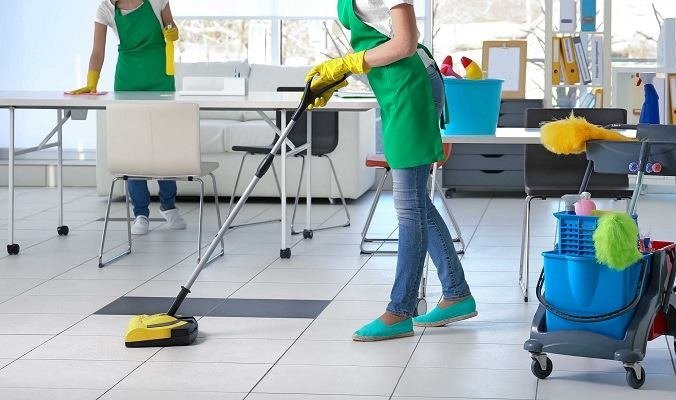
Deep cleaning refers to an intensive and detailed cleaning process that targets areas often overlooked during regular maintenance. It involves cleaning behind furniture, sanitizing high-touch surfaces, removing built-up grime, and addressing hidden dirt in carpets, vents, and equipment.
In a business context, commercial deep cleaning ensures that every part of a facility is properly disinfected and restored to a high standard of cleanliness. This process may include steam cleaning carpets, scrubbing tile grout, disinfecting workstations, and removing dust from ventilation systems. Unlike routine cleaning, which focuses on daily upkeep, deep cleaning is periodic and much more comprehensive.
Health and Hygiene Benefits
One of the most critical reasons for deep cleaning is its impact on health. Commercial spaces often host a large number of people, increasing the risk of germ transmission. Bacteria, viruses, and allergens can accumulate in carpets, upholstery, and air systems.
Deep cleaning helps:
- Eliminate harmful microorganisms
- Improve indoor air quality
- Reduce allergens such as dust mites and mold
- Prevent the spread of illness among employees and visitors
By maintaining a hygienic environment, businesses can reduce sick days and create a safer workplace for everyone.
Enhancing Professional Image
First impressions matter, especially in commercial settings. Clients and customers often judge a business by its cleanliness and organization. A spotless environment reflects professionalism, attention to detail, and a commitment to quality.
Deep cleaning contributes to:
- Cleaner floors and carpets
- Spotless windows and surfaces
- Fresh-smelling interiors
- Well-maintained furniture and fixtures
A well-maintained space not only attracts customers but also builds trust and credibility. It shows that the business values its environment and the people who interact with it.
Increasing Employee Productivity
A clean and organized workspace has a direct impact on employee performance. Cluttered or dirty environments can be distracting and demotivating, while clean spaces promote focus and efficiency.
Deep cleaning supports productivity by:
- Creating a comfortable working environment
- Reducing distractions caused by dirt or clutter
- Improving air quality, which enhances concentration
- Boosting employee morale
Employees are more likely to feel valued and motivated when they work in a clean and hygienic space.
Extending the Lifespan of Assets
Commercial properties contain valuable assets such as carpets, furniture, equipment, and flooring. Over time, dirt and grime can cause wear and tear, leading to costly replacements.
Regular deep cleaning helps:
- Preserve carpet fibers and upholstery
- Prevent damage from dust and debris
- Maintain the condition of machinery and equipment
- Reduce long-term maintenance costs
By investing in periodic deep cleaning, businesses can protect their assets and avoid unnecessary expenses.
Compliance with Industry Standards
Many industries are required to meet specific cleanliness and sanitation standards. This is especially true for healthcare facilities, food service businesses, and manufacturing units.
Deep cleaning plays a crucial role in:
- Meeting regulatory requirements
- Passing inspections and audits
- Maintaining certifications and licenses
- Ensuring workplace safety compliance
Failure to maintain proper hygiene standards can result in penalties, reputational damage, or even business closure. Deep cleaning ensures that businesses stay compliant and operate smoothly.
Conclusion
Deep cleaning is not just an optional service, it is a fundamental aspect of maintaining a safe, professional, and efficient commercial environment. From improving health and hygiene to enhancing productivity and protecting valuable assets, the benefits are far-reaching. Businesses that prioritize cleanliness are better positioned to create positive experiences for employees and customers alike.
Incorporating commercial deep cleaning into a regular maintenance schedule ensures that no area is neglected and that the workspace remains in optimal condition. Ultimately, it is an investment that supports long-term success, sustainability, and a strong professional reputation.