Winter brings cozy evenings and festive moods, but it also brings cold drafts, chilly floors, and rising heating bills. Preparing your home for the colder months does not always require major renovations.
With a few thoughtful upgrades, you can enhance warmth, improve energy efficiency, and create a comfortable indoor environment. For homeowners in York, PA, where temperatures can drop significantly during winter, making simple yet effective changes can make a noticeable difference in comfort and cost savings.
Keep Warm Water Flowing Efficiently
One of the most vital systems in any home during the winter is the water heater. Having a reliable and efficient system ensures hot showers, warm laundry, and comfortable living all season long.
Over time, water heaters lose efficiency and may struggle to provide consistent warmth. If you notice that your system takes longer to heat or the water turns cold faster than usual, it may be time to consider a water heater replacement in York, PA, as the area is known for its cold winters that can put extra strain on home heating systems. Replacing an outdated unit with a modern, energy-efficient model helps ensure consistent performance while reducing energy consumption.
Regular maintenance, such as flushing sediment and checking insulation, also extends the life of your water heater and keeps it working optimally throughout winter.
Seal Gaps and Insulate for Lasting Warmth
Small cracks and gaps in windows, doors, and walls are often the hidden culprits behind chilly drafts. Sealing these leaks is one of the most cost-effective ways to retain heat. Using caulk or weatherstripping around window frames and door edges prevents warm air from escaping and cold air from entering.
Adding insulation to attics, basements, and crawl spaces further enhances the home’s thermal barrier. Insulation helps regulate indoor temperature, allowing your heating system to work efficiently without overexerting itself. A well-insulated home not only stays warmer during winter but also remains cooler in summer, providing year-round comfort.
Upgrade to Energy-Efficient Windows
Old or single-pane windows allow significant heat loss. Replacing them with energy-efficient, double-glazed windows dramatically improves insulation and reduces drafts. Modern windows are designed with advanced sealing technology that traps heat inside during winter.
If full window replacement is not feasible, consider using thermal curtains or insulated window film as a temporary yet effective solution. These additions provide an extra layer of protection against cold air while maintaining privacy and reducing glare.
Enhance Floor Warmth with Rugs and Carpets
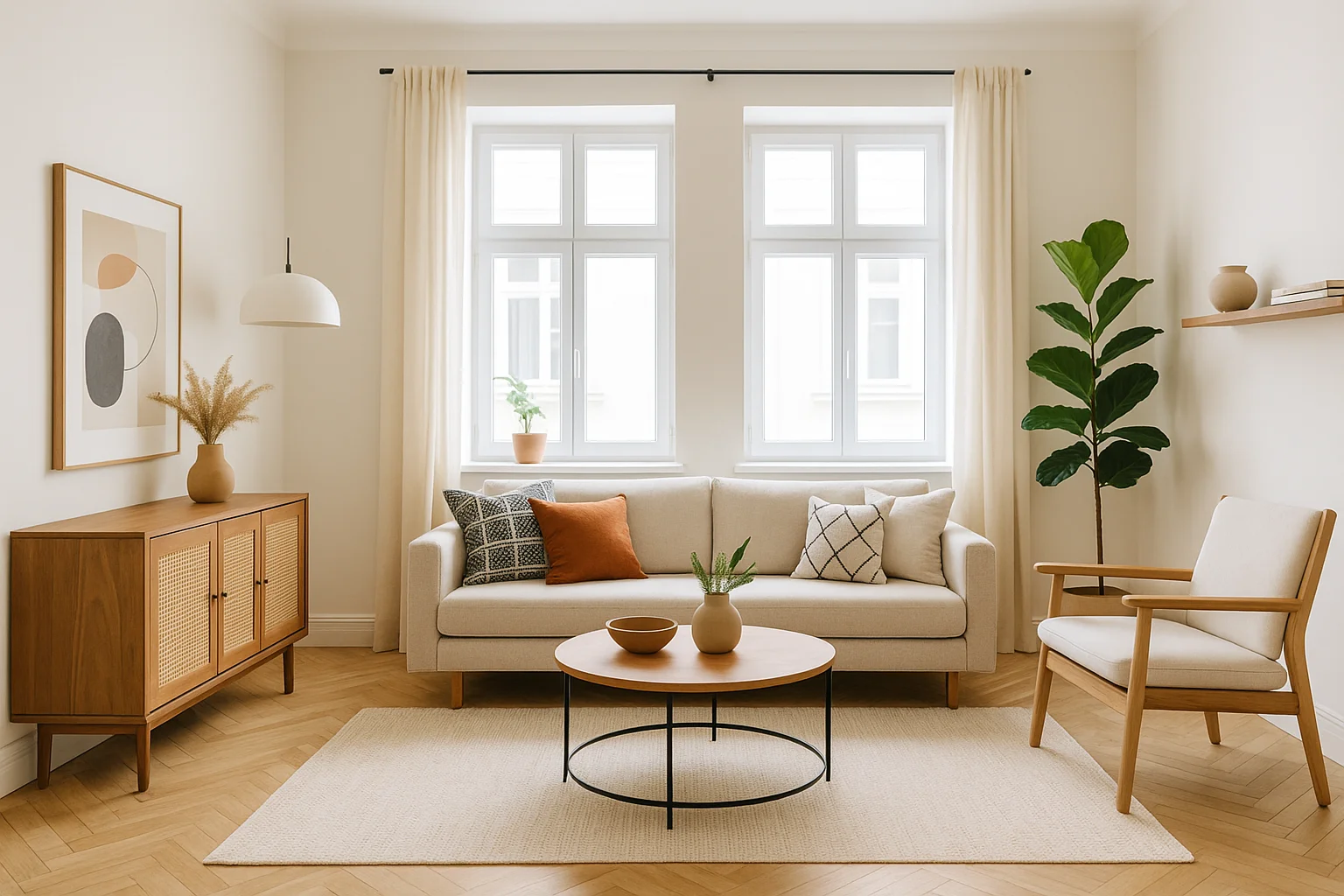
Hard flooring materials such as tile or hardwood tend to feel cold during winter. Adding area rugs or carpets not only enhances aesthetics but also provides insulation for your feet. Thick, soft materials trap heat and prevent warmth from escaping through the floor.
Strategically placing rugs in high-traffic areas or near frequently used seating spots increases comfort. For an extra touch of coziness, choose rugs with dense fibers that retain warmth and add a sense of luxury to your interior.
Install Programmable Thermostats
Maintaining a consistent indoor temperature can be challenging during winter, especially when trying to balance comfort and energy savings. A programmable thermostat simplifies this task by allowing you to set specific temperatures for different times of the day.
You can schedule the heat to lower while you are asleep or away and automatically rise before you wake or return home. This reduces unnecessary energy use without sacrificing comfort. Some models even allow remote control, letting you adjust settings conveniently through your phone.
Add Thermal Curtains for Extra Insulation
Windows are among the most common areas of heat loss in a home. Installing thermal curtains provides an additional layer of insulation, keeping cold air out and warm air in. These curtains are made from dense, heavy fabrics designed to trap warmth effectively.
Close them during the night to preserve indoor heat, and open them during sunny days to allow natural light to warm your rooms. This simple adjustment makes a noticeable difference in maintaining a comfortable indoor temperature.
Reverse Ceiling Fan Direction
Ceiling fans are not just for summer. During winter, reversing the fan’s direction helps distribute warm air more evenly. When the blades rotate clockwise at a low speed, they push the rising warm air downward, eliminating cold spots and improving comfort.
This easy adjustment helps your heating system work more efficiently, ensuring that warmth reaches every corner of the room. It is a quick and inexpensive way to make your home feel cozier during the colder months.
Upgrade Lighting for Warm Ambiance
Lighting plays a subtle yet important role in creating a cozy atmosphere. Replacing cool, harsh lighting with warm-toned bulbs gives your home a comforting glow. The soft light enhances relaxation and makes spaces feel more inviting during dark winter evenings.
Consider layering different light sources, such as table lamps, floor lamps, and sconces, to create depth and warmth. Dimmers can also help you adjust brightness levels to suit the mood, whether for reading, entertaining, or simply unwinding at home.
Improve Air Quality with Humidifiers
Winter air tends to be dry, especially when indoor heating systems are running constantly. Dry air can cause discomfort, such as dry skin, irritated sinuses, and static electricity. Using a humidifier helps restore moisture balance, making the air feel warmer and more comfortable.
Maintaining proper humidity levels not only enhances comfort but also protects wooden furniture and floors from cracking. Compact or portable humidifiers are simple to use and can be moved from room to room as needed.
Embrace Warm Colors in Decor
Colors influence how warm or cool a room feels. Incorporating warm tones like soft browns, muted oranges, and deep reds can make your home feel cozier. You do not need to repaint entire rooms; even small additions such as cushions, artwork, or table runners in these shades can have a welcoming effect.
Lighting also complements color choices. Warm-colored bulbs enhance earthy tones, making the space feel inviting and serene throughout winter.
Bringing It All Together
Beating the winter chill does not require major renovations or expensive upgrades. Simple improvements like sealing gaps, upgrading insulation, maintaining your heating systems, and adding cozy design elements can transform your home into a comfortable haven.