Natural stone, with its timeless beauty and durability, has long been a favorite among designers and homeowners seeking to create visually striking spaces. Limestone and outcropping stones, in particular, offer a unique versatility—seamlessly transitioning from outdoor landscapes to refined interior spaces. But how can these materials be used thoughtfully to enhance both environments? Let’s explore creative and practical approaches for integrating limestone and outcropping stone into your landscape and interior design projects.
Harnessing the Versatility of Limestone Blocks in Outdoor Design
Limestone’s understated elegance and robust performance make it a prime choice for landscaping solutions. Whether you’re aiming to build a retaining wall, create garden borders, or construct walkways, limestone blocks provide both structural support and aesthetic appeal. Incorporating limestone into your designs can also inspire home decor and hack ideas, blending functionality with creative touches that enhance the overall look of your outdoor spaces.
When selecting limestone for your garden, consider its color and texture. Soft beige or gray hues blend effortlessly with greenery and other natural elements. The stone’s inherent strength ensures longevity, even in harsh weather. Designers often use limestone blocks to form raised garden beds, build steps leading to patios, or as the primary material for garden seating. Their modular shape allows for both formal and relaxed layouts, adapting to any garden style.
A simple checklist for using limestone blocks outdoors:
- Assess your site’s topography and drainage needs
- Choose block sizes that complement your overall landscape scale
- Combine limestone with native plants for a cohesive look
- Ensure proper base preparation for long-term stability
- Incorporate lighting to highlight limestone features at night
Integrating Outcropping Stone into Naturalistic Landscapes
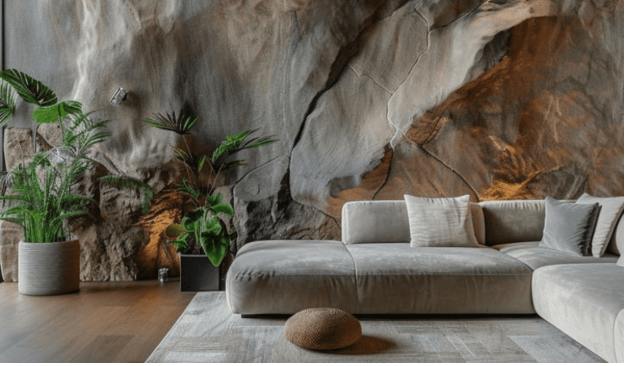
Natural outcropping stone stands out for its irregular shapes and organic textures, which make it perfect for landscape designs that aim to mimic natural geological formations. With outcropping landscape elements, you can create dramatic focal points or functional features that feel as though they’ve always belonged to the site.
Outcropping stones are often used to construct rugged retaining walls, buffer zones, or accents around water features. Their substantial size and weight anchor the landscape visually and physically, while their unpredictable forms invite creative placement. For sloped yards, outcropping stones provide natural-looking erosion control and can be arranged as informal steps or ledges. When surrounded by native grasses and perennials, these stones form a harmonious, low-maintenance landscape.
Transitioning from rigid, geometric hardscapes to the softer, more fluid lines of outcropping stones adds depth and dimension to outdoor spaces. This approach is especially beneficial for properties seeking to blend built environments with the surrounding natural terrain.
Bringing Limestone Inside: Flooring, Walls, and Architectural Details
The appeal of limestone doesn’t end outdoors. Indoors, limestone’s subtle color variations and velvety texture lend warmth and sophistication to living spaces. As a flooring material, limestone is valued for its comfort underfoot and its compatibility with radiant heating systems.
Limestone wall cladding is another popular interior application. Large-format limestone tiles or panels can be used to create seamless accent walls in entryways, living rooms, or bathrooms. The stone’s light-reflective qualities brighten interiors, while its natural veining adds visual interest without overwhelming the room.
In kitchens and bathrooms, limestone countertops and backsplashes create a serene, spa-like ambiance. While limestone is softer than granite, proper sealing and care keep surfaces looking pristine for years. Designers frequently pair limestone with wood, metal, and glass for a balanced, modern aesthetic.
The Statement Piece: Limestone Fireplace Surrounds
A limestone fireplace can be the focal point of any living room, combining modern elegance with rustic charm. The versatility of limestone allows it to be carved into sleek, minimalist forms or more ornate, traditional mantels, depending on the design vision. For homeowners seeking a bespoke architectural feature, a limestone fireplace surround offers a unique blend of style and substance.
The stone’s heat resistance and durability make it a practical choice for fireplaces. When paired with complementary materials—such as reclaimed wood beams or metal inserts—limestone surrounds help bridge the gap between contemporary and classic design sensibilities. The gentle coloration of the stone harmonizes with a variety of color palettes, from earthy neutrals to rich jewel tones.
Blurring Boundaries: Creating Cohesion Between Indoors and Outdoors
One of the most compelling uses of limestone and outcropping stone is in designs that blur the line between inside and outside. By repeating materials, colors, or stone patterns across thresholds, you can create a sense of continuity that expands the perceived size of your home.
For example, a limestone patio leading to a living room with limestone tile flooring establishes a visual connection and encourages flow between spaces. Similarly, outcropping stones used at the base of exterior walls can be echoed as accent pieces within a foyer or sunroom. Thoughtful lighting, coordinated planting, and consistent stone detailing reinforce this sense of unity.
Designers recommend considering sun orientation, sightlines, and the relationship between indoor and outdoor functions when planning such cohesive transitions. The result is a home that feels grounded in its environment and effortlessly harmonious. Choosing the right home products can further enhance this connection, ensuring that furnishings, fixtures, and materials complement both indoor and outdoor spaces seamlessly.
Maintenance and Sustainability Considerations
While limestone and outcropping stone are durable, they do require mindful care to ensure longevity and beauty. Outdoor limestone should be sealed to guard against moisture infiltration and staining from organic debris. Indoors, regular cleaning with pH-neutral products helps preserve the stone’s finish.
From an environmental perspective, natural stone is a sustainable building material. It requires minimal processing, offers exceptional longevity, and can often be sourced locally. When properly installed and maintained, limestone and outcropping stone reduce the need for replacements, thereby minimizing waste over time.
Conclusion
Limestone and natural outcropping stone offer remarkable versatility, seamlessly adapting from rugged landscape elements to refined interior features. Their natural beauty, durability, and sustainability make them ideal choices for those seeking timeless design solutions. Whether you’re crafting garden walls with limestone blocks, sculpting terrain with outcropping landscape stones, or enhancing your interiors with a limestone fireplace surround, these materials provide enduring elegance and functionality. As design trends continue to emphasize natural materials and indoor-outdoor harmony, limestone and outcropping stone will remain at the forefront of thoughtful, integrated design.