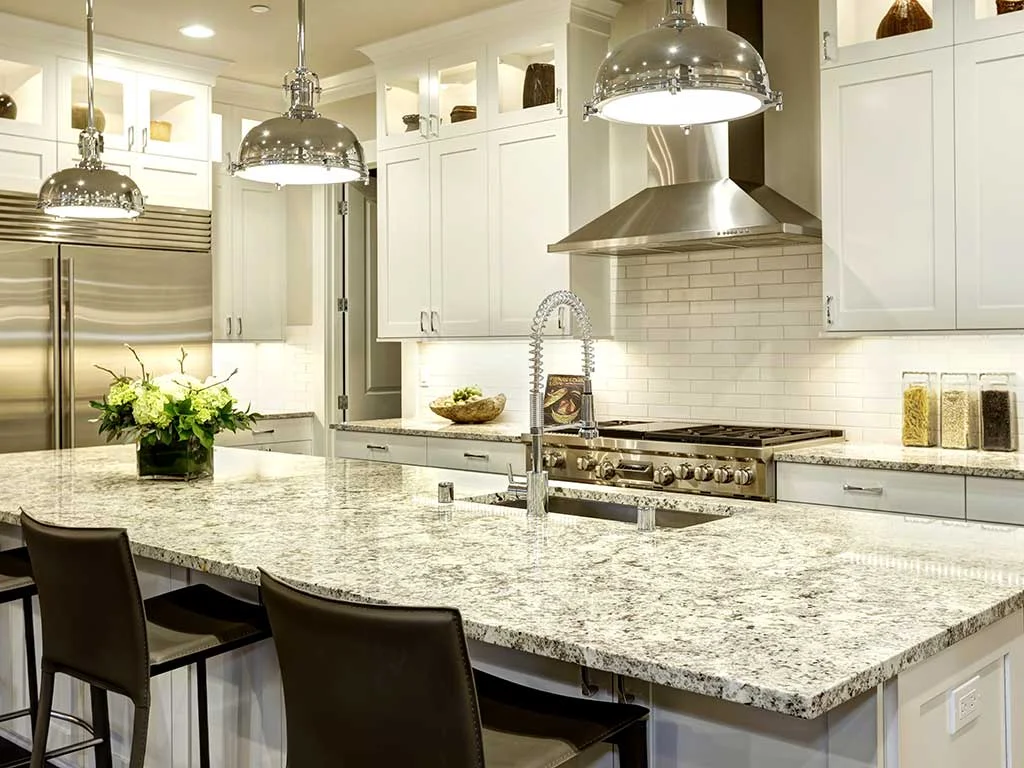
Your kitchen countertop takes a beating every single day. Coffee spills, hot pans, knife nicks handle it all. So picking the wrong material can cost you more than just money. It can cost you years of frustration.
Whether you’re renovating a home in Milwaukee or building from scratch, the decision deserves real thought. There are dozens of materials out there. And not every supplier gives you the same quality or service.
The good news? This guide breaks it all down simply. No confusing jargon. Just honest, practical advice to help you make a confident choice.
When you start shopping around, you’ll quickly realize how important it is to work with trusted countertop suppliers in your area. Not all of them carry the same materials. Not all of them offer the same installation standards. And in a city like Milwaukee, where homes range from classic bungalows to modern builds, your supplier needs to understand local tastes and climate too.
The right supplier isn’t just someone who sells slabs. They guide you. They show you samples. They explain what works in a busy family kitchen versus a show kitchen that rarely gets used.
What You Actually Need
Before you even look at materials, ask yourself a few honest questions. How hard do you cook? Do you bake bread every weekend or mostly reheat takeout? A serious cook needs a surface that handles heat, moisture, and chopping. A light user has more flexibility.
How many people use your kitchen daily? A household with kids and constant foot traffic needs durability above everything else. A couple with no children might prioritize aesthetics.
What’s your budget really? There’s the material cost. Then there’s the fabrication cost. Then installation. Don’t let a low price tag fool you. Some materials need regular sealing or special cleaners that add up over time.
The Most Common Materials and What They’re Actually Like
Granite
Granite is one of the most popular choices for good reason. It’s tough, heat-resistant, and every slab looks different. No two kitchens end up looking exactly alike.
The downside? It needs sealing once a year or so. And it’s heavy, which means your cabinets need to be strong enough to support it. In Milwaukee, many older homes may need cabinet reinforcement before installation.
Quartz
Quartz is engineered stone. That means it’s made partly from natural quartz and partly from resin binders. The result is a non-porous surface that resists stains and bacteria.
It’s low maintenance. No sealing needed. It looks consistent which some people love and others find too uniform.
One thing to know: quartz doesn’t love direct heat. Always use trivets. Leave a hot pan on it and you might see discoloration that can’t be fixed.
Marble
Marble is beautiful. There’s no denying it. But it’s also the highest-maintenance option on this list.
It scratches. It stains. Acidic things like lemon juice or red wine can etch the surface over time. If you’re using it in a working kitchen, you need to be ready for that.
That said, many homeowners in Milwaukee love the elegance of marble in low-traffic kitchen areas like a baking station or an island used mainly for display.
Butcher Block
Butcher block brings warmth that stone simply can’t match. It’s great for food prep. It can be sanded and refinished if it gets damaged.
The challenge is moisture. Milwaukee winters mean dry indoor air, and summers bring humidity. Wood expands and contracts with seasonal changes. Without proper sealing and regular oiling, it can crack or warp over time.
Laminate
Laminate gets a bad reputation. But modern laminate has come a long way. Today’s versions mimic the look of stone remarkably well. They’re budget-friendly, easy to clean, and come in hundreds of patterns.
They’re not indestructible. Sharp knives and hot pots can damage them. But for a rental property or a tight budget, laminate is worth a serious look.
Quartzite and Soapstone
These are less common but worth knowing. Quartzite is a natural stone — harder than marble, with a similar veined look. It’s great for people who want marble’s appearance with more durability.
Soapstone is dense and smooth. It doesn’t need sealing. It develops a natural patina over time that many homeowners find charming.
What to Look for in a Good Supplier
Finding the right material is only half the job. Finding the right person to source and install it matters just as much.
Here’s what separates a great supplier from an average one.
They show you real samples, not just photos. Colors look different on a screen versus in your actual kitchen light. Any supplier worth working with will let you take samples home.
They’re transparent about pricing. A solid quote includes material, fabrication, edge profiling, cutouts for sinks and faucets, and installation. If a quote skips those details, ask questions.
They have local experience. Suppliers who’ve worked in Milwaukee understand the local building codes, standard cabinet heights, and even which materials hold up best in Midwest climate conditions.
They don’t rush you. A supplier who pressures you to decide in one visit is a red flag. Good ones give you time and answer your questions patiently.
They carry warranties. Ask specifically what’s covered and for how long. Some materials come with manufacturer warranties. Others depend on proper installation. Know the difference before you sign anything.
A Color Combination That’s Trending Right Now
One of the most popular kitchen combinations right now is white granite with grey cabinets and it’s easy to see why.
Why This Pairing Works
The appeal is simple. White surfaces reflect light and make a kitchen feel larger and more open. Grey cabinetry grounds the look and adds visual depth. Together they create a balance that feels both fresh and timeless, not too bold, not too safe.
Where You’ve Seen It
- Works in both modern and traditional kitchens
- Versatile enough to pair with most hardware finishes
- Photographs beautifully a real advantage if you plan to sell
Popular White Granite Varieties to Consider
If this look appeals to you, ask your supplier about these specific options:
- White Ice — crisp and bright with subtle movement
- Colonial White — warm undertones with soft grey veining
- Alaska White — cool-toned with fine grey and black flecks
Always view slabs next to your actual cabinet samples. Undertones shift depending on the light in your specific kitchen.
One Thing to Know Before You Commit
White granite requires regular sealing. In a kitchen that sees heavy cooking, plan to reseal every 12 to 18 months and wipe spills quickly. Choose a supplier who walks you through this maintenance routine during installation, not after the fact.
Milwaukee homeowners considering this combination will find it performs well both aesthetically and in resale appeal. Buyers across different style preferences respond to it consistently.
How to Compare Suppliers the Right Way
Don’t just Google and pick the first result. A little structure here saves a lot of frustration later. Here’s how to approach it properly.
Get At Least Three Quotes
Prices vary more than most people expect. One Milwaukee supplier might charge significantly more for the exact same slab. Overhead, sourcing, and margins all differ. Never commit to the first number you hear.
Visit the Showroom in Person
A showroom tells you everything about how a supplier operates. Are samples organized and well-labeled? Does the staff listen or just upsell? A well-run showroom usually means a well-run installation. If it feels disorganized in the showroom, expect the same on your job site.
Check Reviews Across Multiple Platforms
Google alone isn’t enough. Check Yelp and Houzz for a fuller picture. Focus specifically on reviews that mention installation quality and post-sale support, not just how the finished product looks.
Ask for References
A reputable supplier connects you with past customers without hesitation. If they deflect or stall, that’s worth noting. One ten-minute conversation with a past client tells you more than any brochure will.
Confirm Lead Times Early
Granite and marble slabs are often imported. Availability shifts depending on season and supply chain. Ask about current stock before you commit, not after. Depending on your timeline, you may need to order weeks in advance.
Quick Supplier Comparison Checklist:
| What to Check | What to Look For | Red Flag |
| Pricing | At least 3 comparable quotes | Refusing to itemize costs |
| Showroom | Clean, organized, knowledgeable staff | Pushy sales, poor labeling |
| Reviews | Mentions of install quality and aftercare | Only surface-level feedback |
| References | Willingness to connect with past clients | Hesitation or deflection |
| Lead Times | Clear timeline with current availability | Vague answers on delivery |
The right supplier makes the whole process smoother. The wrong one makes everything harder even when their price looks good on paper.
What to Sort Out Before You Sign Anything
Most mistakes happen before installation even starts. These are the details worth getting right early.
Order Extra Material
Always order more than you think you need, especially for natural stone. Stone lots vary between slabs. If a section chips or cracks in five years, a replacement piece from a new lot may not match. A small overage now saves a much bigger headache later.
Think About Edge Profiles
The edge profile affects both looks and safety. Rounded edges are the smarter choice in homes with young kids they’re forgiving on impact. Sharp, clean edges look sleek and modern but chip more easily over time. Pick the profile that fits your household, not just your aesthetic.
Plan the Sink Cutout Carefully
Undermount sinks require precise cutting and a supplier with real experience doing it. If you’ve already chosen your sink style, confirm your supplier has worked with that specific type before. A poorly cut opening is expensive to fix after the fact.
Factor In Countertop Thickness
Standard thickness is 3cm about 1.25 inches. Thicker slabs look more substantial and dramatic but cost more and require stronger cabinet support underneath. Know what your cabinets can handle before you choose.
Don’t Overlook the Backsplash Transition
Your countertop and backsplash need to work together visually and practically. Some materials are easier to tile against than others. Sort this out before installation, not during so the two elements complement each other cleanly.
| Detail | Why It Matters | Quick Tip |
| Extra material | Stone lots vary matching later is hard | Order 10% more than needed |
| Edge profile | Affects safety and durability | Rounded for kids, sharp for modern look |
| Sink cutout | Precision required for undermount styles | Confirm supplier experience first |
| Slab thickness | Affects cost and cabinet support needs | Standard 3cm works for most kitchens |
| Backsplash transition | Visual and practical alignment needed | Plan both together before installing |
Conclusion
Choosing a kitchen countertop isn’t just about picking a color you like. It’s about matching the right material to how you actually live and finding a supplier who genuinely helps you get there.
The material matters. The thickness matters. The edge profile matters. But none of it comes together well without a knowledgeable, honest supplier guiding the process from selection through installation.
If you’re in Milwaukee, take your time. Visit showrooms. Bring your cabinet samples. Ask hard questions. The best suppliers welcome that kind of conversation; they don’t shy away from it.
A kitchen countertop installed correctly with the right material can last 20, 30, even 40 years. That’s not an exaggeration. It’s a long-term investment in your home and your daily life. Treat the decision accordingly.
Do the homework upfront. Get the quotes. Understand the maintenance each material requires. And work with someone local who stands behind their work after the job is done.