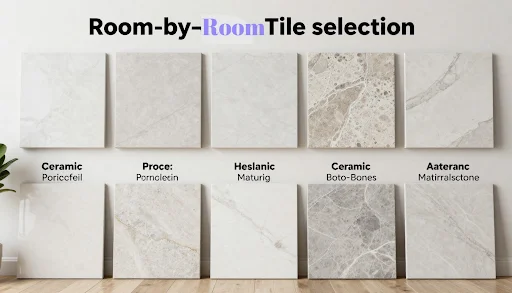
Tile is more than a surface finish. It shapes durability, defines aesthetics, and influences long-term maintenance across residential spaces. From moisture-heavy bathrooms to high-traffic kitchens and design-forward living areas, selecting the right tile requires a balance of performance, proportion, and visual cohesion.
This guide breaks down how to evaluate tile choices room by room—ensuring that materials align with both functional demands and design intent.
1. Choose Tile Based on Room Function and Traffic
Not all tiles perform equally under pressure. Before selecting colors or patterns, homeowners should assess moisture levels, foot traffic, and cleaning requirements.
1.1 Kitchens: Durability Meets Design
Kitchens demand surfaces that resist stains, heat, and constant cleaning. Porcelain tiles are often preferred due to their density and low water absorption rate. Matte or textured finishes help conceal smudges, while patterned backsplashes can introduce subtle personality without overwhelming cabinetry.
Larger-format floor tiles reduce grout lines, making maintenance easier. For backsplashes, glazed ceramic or glass tiles add light reflection in compact cooking areas.
1.2 Living Rooms: Style with Structural Integrity
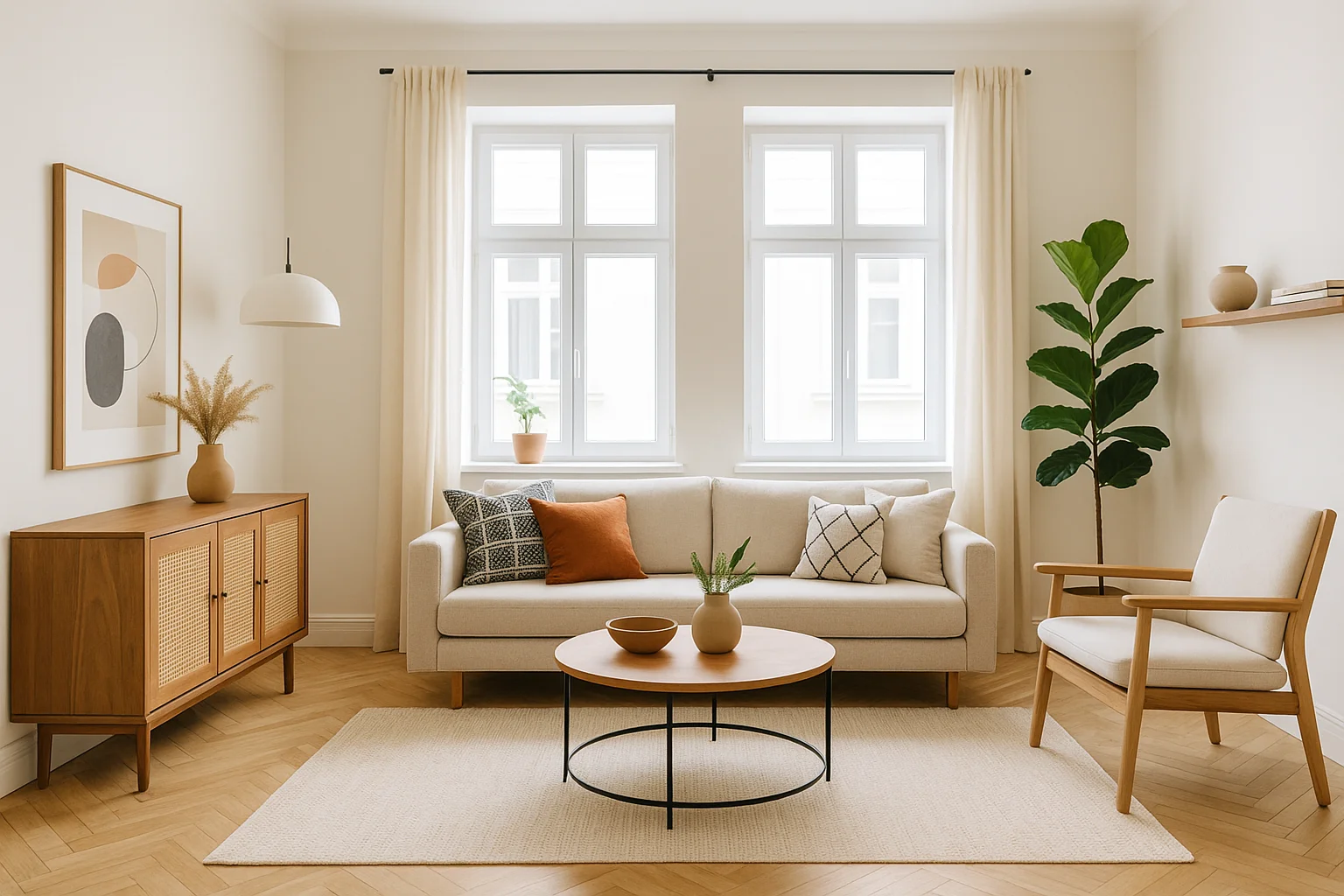
Living areas allow greater flexibility in material selection. Wood-look porcelain planks deliver warmth with improved scratch resistance. Natural stone introduces organic texture, though sealing may be required.
Consistency between adjacent spaces enhances visual flow. When open floor plans are involved, selecting a unifying tile format can maintain cohesion across zones.
2. Prioritize Safety and Moisture Resistance in Bathrooms
Bathrooms require strategic tile decisions. Water exposure, humidity, and slip resistance must guide material selection.
2.1 Floors Tiles: Focus on Grip and Drainage
Slip resistance is essential in wet areas. Smaller-format tiles with more grout joints typically provide better traction than large polished slabs. Textured porcelain, pebble mosaics, and matte finishes enhance safety.
In shower areas specifically, selecting the right shower floor tile significantly impacts both functionality and design continuity. Mosaic formats conform more easily to sloped bases, ensuring proper drainage while adding visual detail. Material density and surface texture should work together to prevent slips without compromising style.
Balancing these technical requirements with cohesive wall finishes results in a bathroom that feels unified rather than segmented.
2.2 Walls Tiles: Visual Impact with Controlled Maintenance
Glossy ceramic tiles reflect light and visually expand compact bathrooms. For a high-end aesthetic, marble-look porcelain offers elegance with lower upkeep compared to natural stone.
Homeowners aiming for a refined aesthetic can reference professional frameworks and tips to design a luxury bathroom to understand how tile scale, grout color, and finish variation influence the overall spatial experience. Subtle contrasts—such as pairing large wall tiles with intricate floor mosaics—add depth while maintaining harmony.
The key lies in limiting competing patterns and allowing texture to define interest.
3. Elevate Finishing Details with the Right Tile Trim
Tile edges often determine whether a space feels complete or unfinished. Transitions between surfaces, exposed corners, and niche frames require thoughtful finishing solutions.
3.1 Why Tile Trim Matters
Trim pieces protect tile edges from chipping while delivering a polished architectural appearance. In showers, backsplashes, and feature walls, exposed edges can disrupt visual continuity if not properly finished.
Rounded trim options soften sharp lines, especially in family homes where safety is a consideration. In modern interiors, clean-edged trims maintain crisp geometry.
3.2 Integrating Tile Trim for Seamless Transitions
When coordinating tile installations, selecting compatible trim ensures a cohesive design. Professionals often evaluate color-matched or complementary finishing pieces early in the planning process rather than treating them as an afterthought.
Exploring specialized collections to shop bullnose tile trim provides access to finishing profiles designed to integrate with various tile styles and thicknesses. These pieces create smooth transitions along edges, niches, and countertops, reinforcing structural durability while elevating overall presentation.
To ensure compatibility in scale, finish, and edge profile, you can review curated trim collections through Mineral Tiles and request samples to confirm alignment with your tile selection before installation.
4. Consider Material Composition and Long-Term Maintenance
Beyond aesthetics, material composition determines how the tile performs over time.
4.1 Porcelain vs. Ceramic
- Porcelain: Dense, water-resistant, suitable for indoor and outdoor use
- Ceramic: Easier to cut, ideal for walls and moderate-traffic areas
Porcelain typically withstands temperature fluctuations and heavy use more effectively.
4.2 Natural Stone
Marble, travertine, and slate offer unique veining and texture. However, they require periodic sealing and careful cleaning to prevent staining.
4.3 Glass and Decorative Tiles
Glass tiles reflect light and add visual dimension, particularly in backsplashes and accent walls. They are less suitable for high-impact flooring applications but excel in vertical installations.
5. Match Tile Size and Layout to Room Proportions
Scale dramatically influences perception.
- Large tiles create a seamless look in expansive rooms
- Small mosaics add traction and detail in compact spaces
- Vertical stacking elongates walls
- Diagonal layouts introduce movement
Grout color also affects visual impact. Matching grout produces a uniform appearance, while contrasting grout highlights patterns and shapes.
In narrow rooms, rectangular tiles installed horizontally can widen the perceived space. In bathrooms with low ceilings, vertically oriented layouts create height.
Conclusion
Choosing the perfect tile for every room involves more than aesthetic preference. It requires evaluating performance, safety, scale, finishing details, and long-term maintenance. Kitchens demand durability, bathrooms require moisture control, living areas benefit from cohesion, and finishing trims refine the final presentation.
When selected strategically, tile becomes a structural design element—enhancing functionality while shaping the visual narrative of the home.