Introduction
Damp is one of the most common yet overlooked issues in residential and commercial buildings, particularly in older or densely populated urban environments. It not only affects the structural integrity of a property but also creates an unhealthy living space by encouraging mold growth and poor air quality. Understanding the causes, types, and solutions for damp is essential for homeowners and property managers alike. This article explores the key aspects of damp control, offering practical insights and preventative strategies to maintain a safe and comfortable environment.
Understanding the Causes of Damp
Damp problems arise from various sources, and identifying the root cause is the first step toward effective treatment. Common causes include rising damp, penetrating damp, and condensation. Rising damp occurs when moisture from the ground travels upward through walls due to capillary action. Penetrating damp, on the other hand, is caused by water entering through external defects such as cracks in walls, leaking roofs, or damaged gutters. Condensation is typically the result of poor ventilation, where warm, moist air comes into contact with cold surfaces.
Professional solutions such as damp control services London are often recommended to accurately diagnose and address these issues. Experts use advanced tools and techniques to determine the exact source of moisture, ensuring that the treatment applied is both effective and long-lasting.
Types of Damp and Their Impact
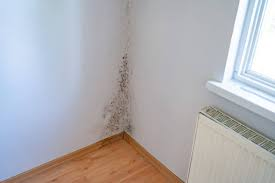
Each type of damp has distinct characteristics and impacts on a building. Rising damp often leaves visible tide marks on walls and can damage plaster and paint. Penetrating damp may cause localized patches of moisture, often worsening during heavy rainfall. Condensation typically appears as water droplets on windows and walls, leading to mold growth.
The impact of damp extends beyond aesthetics. Structural damage, such as weakened timber and masonry, can occur over time. Additionally, damp environments promote mold spores, which can trigger respiratory problems, allergies, and other health concerns. Recognizing the type of damp is crucial for selecting the appropriate treatment method.
Signs You Should Not Ignore
Early detection of damp can save significant time and money. Some of the most common signs include peeling paint, wallpaper coming loose, musty odors, and visible mold growth. You may also notice cold or damp patches on walls and ceilings.
In severe cases, damp can lead to warped flooring, rotting wood, and damage to electrical systems. Ignoring these signs can result in costly repairs and potential health risks. Regular property inspections are essential, especially in areas prone to high humidity or frequent rainfall.
Preventative Measures for Damp Control
Prevention is always better than cure when it comes to damp issues. Ensuring proper ventilation is one of the most effective ways to prevent condensation. Installing extractor fans in kitchens and bathrooms, opening windows regularly, and using dehumidifiers can significantly reduce moisture levels.
Maintaining the exterior of a building is equally important. Regularly inspecting and repairing roofs, gutters, and downpipes can prevent water ingress. Sealing cracks in walls and ensuring proper drainage around the property can also help reduce the risk of damp.
Additionally, using damp-proof materials during construction or renovation can provide long-term protection. These measures not only prevent damp but also enhance the overall durability of the building.
Treatment Options for Damp Problems
Once damp has been identified, choosing the right treatment is essential. For rising damp, installing a damp-proof course (DPC) is a common solution. This involves creating a barrier that prevents moisture from rising through walls. Chemical injections are often used in modern treatments to achieve this effect.
Penetrating damp requires addressing the source of water ingress. This may involve repairing roofs, sealing walls, or replacing damaged materials. For condensation, improving ventilation and insulation is key. In some cases, specialized coatings and paints may be applied to prevent moisture buildup.
Professional intervention is often necessary to ensure that treatments are applied correctly and effectively. DIY solutions may provide temporary relief but rarely address the underlying cause of the problem.
Long-Term Maintenance and Monitoring
Damp control is not a one-time task; it requires ongoing maintenance and monitoring. Regular inspections can help identify potential issues before they become serious problems. Keeping an eye on humidity levels and ensuring proper ventilation are essential for long-term success.
Homeowners should also invest in routine maintenance of their property’s exterior, including roofs, gutters, and drainage systems. Addressing minor issues promptly can prevent them from escalating into major damp problems.
Educating occupants about proper ventilation practices and moisture management can also play a significant role in preventing dampness. Simple habits, such as drying clothes outdoors and using extractor fans, can make a noticeable difference.
Conclusion
Damp is a persistent issue that can significantly impact both the structure of a building and the health of its occupants. Understanding its causes, recognizing early signs, and implementing effective prevention and treatment strategies are crucial steps in maintaining a safe and comfortable living environment. While some measures can be handled independently, professional assistance is often necessary for accurate diagnosis and long-term solutions. Engaging reliable damp control services London ensures that damp problems are addressed efficiently, helping to protect your property and improve overall living conditions.