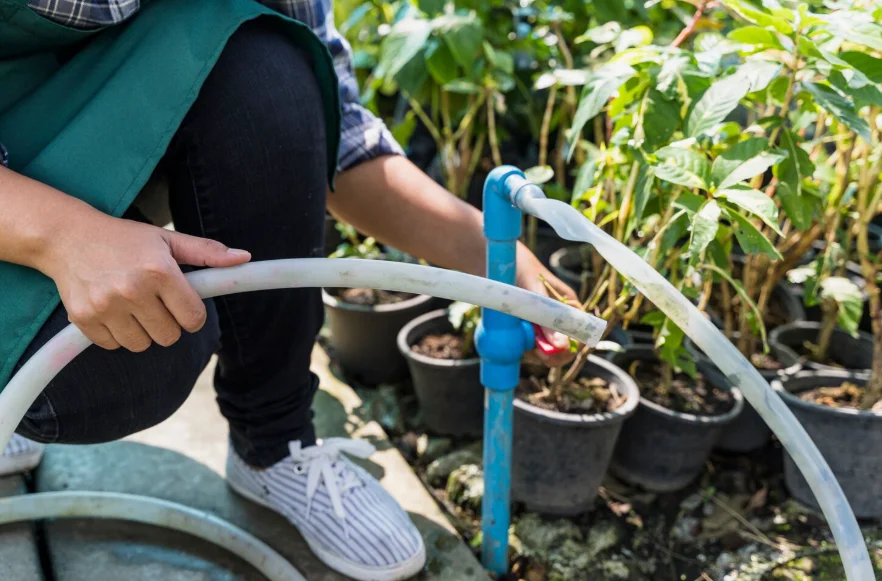
Backyard irrigation taught me early on that Wacker diaphragms are not just rubber components, but the heartbeat of a reliable diaphragm pump.
I learned this lesson the hard way when my vegetable patch started drying out during peak summer, even though the pump was still running.
That failure forced me to understand how diaphragm pump parts actually work instead of assuming they last forever, which led me to research quality replacement options like Wacker diaphragms that are engineered for consistent pressure and long-term flexibility.
Why diaphragm pumps matter in small irrigation systems
A diaphragm pump works by flexing a reinforced membrane to move water without metal-on-metal contact.
That design is ideal for backyard irrigation where sediment, debris, and fluctuating pressure are common.
I once pulled muddy water from a rain barrel system, and the pump survived because the flexible membrane isolated grit from sensitive internal parts.
Unlike centrifugal pumps, diaphragm systems can self-prime and tolerate brief dry running without immediate damage.
That single feature saved my setup when a hose clamp loosened, and the intake line pulled air instead of water.
How diaphragm wear actually shows up in real use
Most people expect sudden failure, but diaphragm wear usually develops slowly.
In my irrigation system, the first warning sign was uneven sprinkler pressure rather than a complete shutdown.
The pump motor sounded fine, yet water delivery became inconsistent and slightly pulsed.
That pulsing often indicates loss of elasticity or internal fatigue in the membrane.
Ignoring these early signs typically leads to internal leakage and reduced suction efficiency.
Common symptoms you should never ignore
A noticeable drop in discharge pressure often points to diaphragm fatigue.
Water leaking from the pump housing drain opening usually means the membrane has been compromised.
Hard starting or inconsistent priming often indicates sealing issues caused by wear.
Each of these symptoms appears well before full failure if you pay attention.
Choosing the right replacement diaphragm the first time
Not all replacement diaphragms are manufactured to the same standards.
I once installed a low-cost aftermarket membrane that failed within weeks.
The original part used reinforced layers designed for repeated flex cycles under load.
Inferior materials stretch, deform, and crack when exposed to constant pressure variation.
Chemical compatibility with fertilizers and treated water also plays a major role in service life.
Understanding diaphragm construction
High-quality diaphragms combine flexible elastomers with internal fabric reinforcement.
That reinforcement prevents excessive stretching while allowing controlled movement.
In irrigation systems, sudden valve closures create pressure spikes that stress the membrane.
A well-designed diaphragm absorbs that stress without tearing or losing shape.
The role of proper installation in diaphragm lifespan
Even the best diaphragm will fail early if installed incorrectly.
During my first replacement, I overtightened the retaining ring and pinched the outer edge.
That small error caused uneven flexing and led to premature cracking.
Proper seating ensures the membrane moves evenly throughout each pump cycle.
Torque should always be applied gradually and evenly during assembly.
Simple installation habits that prevent repeat failures
Clean the pump housing thoroughly before installing a new diaphragm.
Any trapped debris can create abrasion points during operation.
Use light lubrication approved for elastomer components to reduce startup friction.
Manually rotating the pump before startup confirms smooth, unrestricted movement.
Matching diaphragm selection to irrigation demands
Backyard irrigation systems vary widely in workload and water source.
A drip irrigation setup stresses diaphragms differently than high-flow sprinkler lines.
When I added a pond transfer line, diaphragm wear increased noticeably.
That upgrade required a heavier-duty membrane designed for higher flow resistance.
Ignoring system changes often shortens component lifespan unnecessarily.
Flow rate and pressure considerations
Higher flow rates increase the number of flex cycles per minute.
Higher pressure increases the depth of diaphragm deformation during each stroke.
Together, these factors accelerate fatigue if the diaphragm is undersized.
Matching pump capacity to irrigation demand reduces unnecessary mechanical stress.
Maintenance habits that extend diaphragm service life
Routine inspection does not always require disassembly.
A healthy diaphragm produces a consistent, rhythmic pump sound.
Changes in tone or irregular pulses usually indicate internal wear.
I now listen closely during weekly irrigation checks.
That habit alone has significantly extended diaphragm service intervals.
Preventive checks that actually work
Inspect suction lines for air leaks, since air ingestion increases flex strain.
Flush sediment from intake screens to reduce abrasive wear.
Avoid extended dry running whenever possible.
Dry operation increases internal heat and accelerates rubber degradation.
Why understanding diaphragm behavior saves money
Replacing a diaphragm costs far less than replacing an entire pump assembly.
Before gaining this knowledge, I replaced a functioning pump unnecessarily.
The real issue was a worn membrane that cost a fraction of the replacement price.
Understanding component-level performance improves troubleshooting accuracy.
It turns emergency repairs into predictable maintenance.
Real-world irrigation reliability depends on small parts
Most irrigation failures are blamed on motors or power supply issues.
In reality, flexible components perform most of the mechanical work.
A diaphragm cycles thousands of times per hour under real operating conditions.
That constant movement makes material quality and fit essential.
Treating diaphragms as routine wear components keeps irrigation systems reliable.
Final thoughts from hands-on experience
Backyard irrigation systems rarely fail without warning.
Diaphragm performance provides clear signals when you know what to observe.
Timely replacement prevents downtime during critical watering periods.
Hands-on experience taught me that understanding pump internals saves water, time, and money.
Reliable irrigation starts with respecting the small components doing the hardest work.