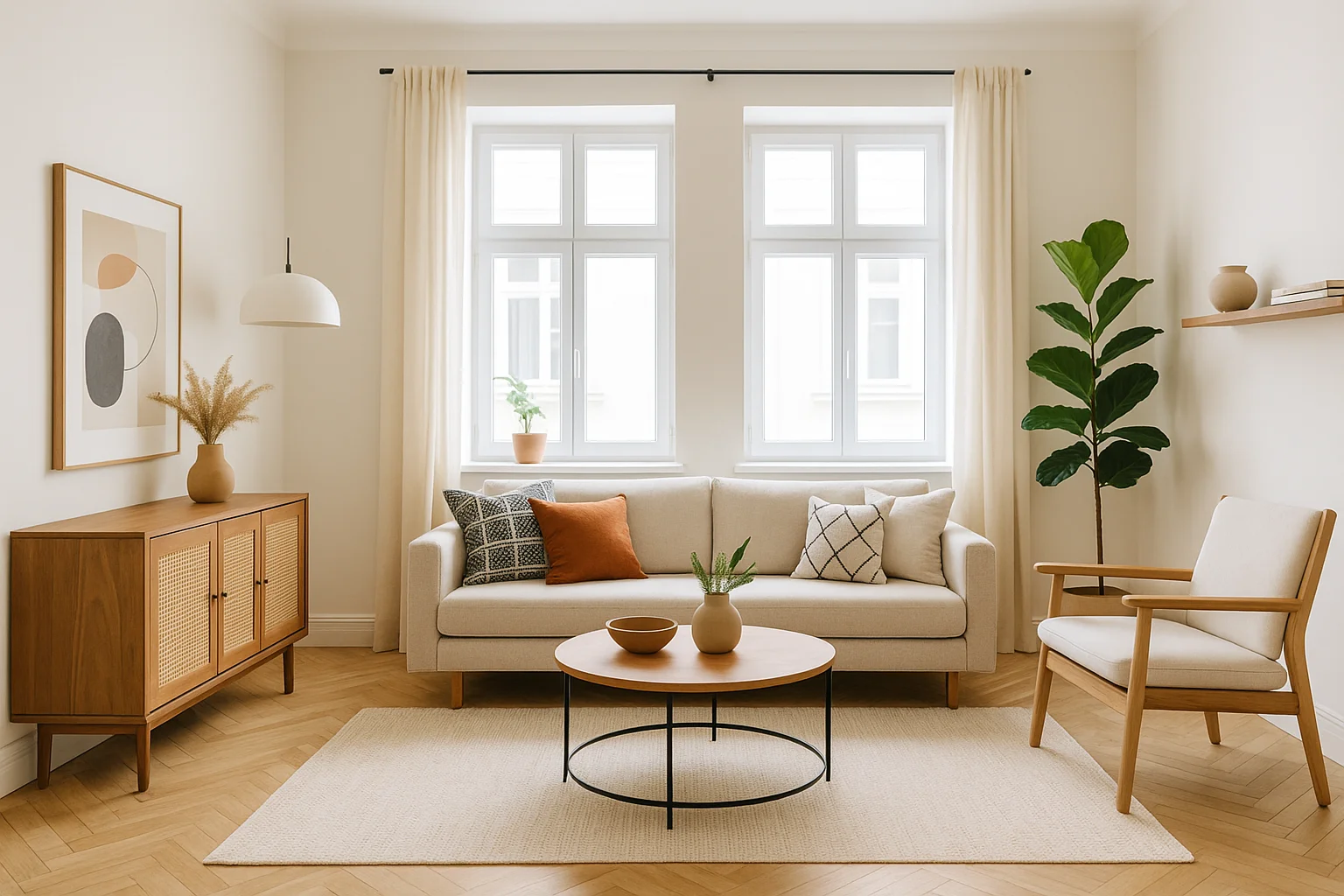
Your home should be the most comfortable place in your life. It’s where you start and end each day, where you unwind after stressful hours, and where quality rest either happens or doesn’t. Yet most people treat lighting as an afterthought, settling for whatever fixtures came with the house or grabbing something generic from a big box store.
The result? Spaces that never quite feel right. Too bright when you’re trying to relax. Too dim when you need to focus. Harsh shadows that make rooms feel cold rather than cozy.
Here’s the truth that interior designers have known for years. Choosing the right bedroom ceiling light fixtures sets the foundation for your entire living environment, but they’re only one piece of a much larger puzzle. Getting home lighting right requires understanding how different sources work together and knowing which combinations actually support rest, productivity, and relaxation.
This guide breaks down everything you need to know about creating lighting that works for your life. From overhead fixtures to task lighting, from smart controls to common mistakes, consider this your complete roadmap to a home that finally feels like a retreat.
The Impact of Lighting on Your Daily Life
Every room in your home serves a purpose, and lighting should support each one differently. The spaces where you sleep and unwind are directly tied to your rest quality, your morning mood, and your evening wind down routine.
Research published by the Sleep Foundation in February 2026 confirms what many of us sense intuitively. Exposure to bright, cool toned light within two hours of rest can suppress melatonin production by up to 50%, making it significantly harder to fall asleep and stay asleep. Your lighting choices aren’t just aesthetic decisions. They’re health decisions.
The Circadian Connection
Your body’s internal clock relies heavily on light cues. Bright, blue enriched light signals daytime alertness. Warm, dim light signals that rest is approaching. When your home lighting fights against these natural rhythms, you end up tossing and turning without understanding why.
The goal isn’t just pleasant lighting. It’s lighting that actively supports your body’s need to transition from wakefulness to rest, and from rest to productivity.
How Do You Choose the Right Overhead Fixtures?
Selecting ceiling fixtures differs from room to room because the priorities are different. In a kitchen, you need bright task lighting. In a living room, you want versatility for entertaining. In rest spaces, you need ambiance that promotes calm. In home offices, you want focus-enhancing brightness.
Size and Scale Guidelines
Before falling in love with a particular style, measure your space. A fixture that looks perfect online might overwhelm a cozy room or disappear in a larger primary space.
Quick sizing formula: Add your room’s length and width in feet, then use that number in inches for your fixture diameter. A 12 by 14 foot room calls for something around 26 inches wide.
For rooms with standard 8 foot ceilings, flush mount or semi flush options prevent that cramped feeling. Higher ceilings of 9 feet or more can accommodate pendants or chandeliers that drop further into the space.
Style Considerations That Actually Matter
Trends come and go, but certain principles remain consistent:
- Fabric shades diffuse light more softly than glass or metal
- Downward facing bulbs create fewer harsh shadows than exposed bulbs
- Warm metallic finishes like brass and gold reflect light more gently than chrome
- Dimmable fixtures are essential for spaces where you relax
According to a March 2026 report from the American Society of Interior Designers, 71% of home redesigns now prioritize dimmable overhead lighting as a baseline requirement rather than an upgrade.
What Role Do Different Lighting Types Play Throughout Your Home?
Your overhead fixtures handle ambient illumination, but specialized lighting handles the moments that matter most. Reading in the evening. Working from home. Creating that soft glow during relaxation routines. Preparing meals safely and efficiently.
Task Lighting Solutions
Task lighting serves specific functions in different areas. In rest spaces, bedside options provide reading light without disturbing others. In home offices, desk lamps reduce eye strain. In kitchens, under cabinet strips illuminate prep areas. In living rooms, floor lamps create cozy reading nooks.
The beauty of decorative table lamps is their versatility across every room in your home, from bedside surfaces to console tables in entryways. You can move them, swap them seasonally, and adjust their position as needed, making them one of the most flexible lighting investments you’ll make. They also add personality to any surface, serving as functional art pieces that contribute to your room’s overall aesthetic. Look for options with fabric shades that soften the light and bases that complement your existing decor.
Wall mounted sconces save surface space and create a cleaner look throughout your home. They’re particularly valuable in smaller rooms where every surface matters. However, they require electrical work for installation and can’t be easily repositioned.
Height and Placement Tips
For table lamps in rest areas, the bottom of the shade should sit roughly at eye level when you’re seated or lying down. This prevents glare while providing adequate light. Most designers recommend lamp heights between 24 and 27 inches for standard furniture combinations.
For wall sconces, mount them 18 to 24 inches above the surface they’re illuminating, positioned so you won’t bump them when reaching for items.
In dining areas, pendant lights should hang 30 to 36 inches above the table. In kitchens, position them 28 to 34 inches above islands or countertops.
Light Source Requirements for Each Room
The magic number for most spaces is three to five distinct light sources. This sounds like a lot until you understand how layering actually works.
Breaking Down the Layers
Layer 1: Ambient (overhead fixture) This provides general illumination for the entire room. It should be bright enough for cleaning and organizing but dimmable for evening hours.
Layer 2: Task (specialized lighting) These support specific activities like reading, cooking, working, or applying makeup. They should be independently controllable from the overhead fixture.
Layer 3: Accent (decorative or architectural) This might include LED strips behind furniture, small accent lamps on surfaces, or picture lights. Accent lighting adds depth and visual interest without contributing much functional brightness.
Layer 4: Navigation Consider subtle options like nightlights or motion activated strips along floors and hallways. These allow movement throughout your home without fully activating your alertness response.
Practical Layering Examples
Small room (under 150 square feet): One flush mount ceiling fixture plus two table lamps creates adequate layering without overwhelming the space.
Medium room (150 to 250 square feet): One central fixture, two task lighting options, and one accent lamp in a corner provide excellent coverage and flexibility.
Large space (250+ square feet): Consider a statement chandelier or oversized pendant, wall mounted task lights, table lamps on surfaces, and additional accent lighting in seating areas or functional zones.
Common Lighting Mistakes to Avoid
Certain errors appear repeatedly in home lighting, and they’re usually easy to prevent with a bit of forethought.
Mistake #1: Relying Solely on Overhead Light
That single ceiling fixture might technically illuminate the room, but it creates harsh shadows and offers no flexibility for different activities or times of day. Even adding one table lamp dramatically improves the situation.
Mistake #2: Choosing Cool Color Temperatures for Rest Spaces
Bulbs rated above 3000K emit light that reads as slightly blue to your brain. This suppresses melatonin and makes falling asleep harder. Stick with 2700K to 3000K for rest areas and any spaces where you relax in the evening. Your sleep quality will thank you.
For work areas and kitchens, 3500K to 4000K provides better focus and visibility during active hours.
Mistake #3: Forgetting Dimmer Switches
Non dimmable lighting forces you into an all or nothing situation. Either the room is fully bright or completely dark. Installing dimmer switches costs relatively little (£25 to 50 or $30 to 65 for basic models in 2026) but transforms how your spaces function.
Mistake #4: Ignoring Natural Light Patterns
If your rooms receive significant street light or early morning sun, your artificial lighting decisions must account for this. Window treatments combined with properly layered interior lighting give you complete control over your light environment.
Mistake #5: Mismatched Bulb Temperatures
Using a 2700K bulb in your overhead fixture and a 4000K bulb in your table lamp creates visual discord that makes the room feel off. Ensure all bulbs in a single room fall within the same color temperature range.
Mistake #6: Overlooking Shadows in Functional Spaces
Kitchens, bathrooms, and home offices need shadow-free lighting for safety and functionality. A single overhead source creates dark zones on countertops and work surfaces. Add under cabinet lighting, vanity side lights, or desk lamps to eliminate these problem areas.
Frequently Asked Questions
What brightness level works best for different rooms?
For rest spaces, aim for 1,500 to 3,000 lumens total for ambient lighting, depending on room size. The key is installing dimmers so you can reduce brightness by 50 to 80% during evening hours.
For kitchens, aim for 5,000 to 10,000 lumens total, combining overhead fixtures with under cabinet task lighting.
For home offices, 3,000 to 6,000 lumens provides adequate brightness for focused work without causing eye strain.
According to the Illuminating Engineering Society’s 2026 guidelines, rest spaces should have maximum ambient brightness of 300 lux, significantly lower than kitchens or home offices.
Are smart bulbs worth installing throughout your home?
Absolutely. Smart bulbs allow automated dimming schedules that adjust throughout the day, mimicking natural light patterns. Many systems now integrate with routines to optimize your light environment based on time of day and activity.
Entry level smart bulb systems start around £40 to 80 ($50 to 100) for a multi-room set and offer significant quality of life improvements. The ability to control all your lights from one app or voice command is particularly valuable.
How do I choose between flush mount and semi flush ceiling fixtures?
Ceiling height drives this decision. For 8 foot ceilings, flush mount fixtures that sit directly against the ceiling prevent the room from feeling cramped. For ceilings 9 feet or higher, semi flush options that drop 4 to 8 inches add visual interest without creating clearance problems. Anything taller than 10 feet can accommodate pendants or chandeliers.
Should lighting match throughout an entire home?
Cohesion matters more than exact matching. Coordinating metal finishes (all brass, all black, all nickel) throughout your home creates visual harmony without requiring identical fixtures in every room.
Mixing styles intentionally, such as modern overhead lights with vintage inspired table lamps, can add character and personality to individual spaces. The key is maintaining appropriate color temperature for each room’s function, regardless of fixture style.
How often should light bulbs be replaced?
Quality LED bulbs last 15,000 to 25,000 hours under normal use. For a fixture used three hours daily, that translates to 13 to 22 years before replacement becomes necessary.
However, LED brightness diminishes gradually over time (called lumen depreciation), so consider replacing bulbs when they reach 70% of their original brightness, even if they still technically function.
What color temperature should I use in each room?
Rest spaces: 2700K to 3000K (warm, relaxing) Living rooms: 2700K to 3000K (comfortable, inviting) Kitchens: 3000K to 4000K (bright, functional) Bathrooms: 3000K to 4000K (accurate for grooming) Home offices: 3500K to 4000K (focused, energizing) Garages and utility areas: 4000K to 5000K (bright, task-oriented)
The Bottom Line
Creating lighting that truly works requires thinking beyond single overhead fixtures in each room. It means layering multiple sources, selecting appropriate color temperatures for different activities, and installing controls that let you adjust brightness throughout the day.
Start by auditing your current home lighting. Count your sources in each room, check your bulb temperatures, and assess whether you have adequate control over brightness levels. Often, adding one or two well chosen pieces and installing simple dimmer switches creates a remarkable improvement.
Your home should support your life, not fight against it. Thoughtful lighting choices make that support possible in every room, every single day.