Introduction
When a construction or renovation project looks finished, it often seems perfect at first. Walls are painted, fixtures are in place, and floors are down. For many homeowners and builders in Melbourne, it feels like the job is done.
In reality, that is often just the beginning of another problem. Dust, leftover glue, and small debris can stay behind even after the work is complete. Normal cleaning does not remove everything construction leaves behind.
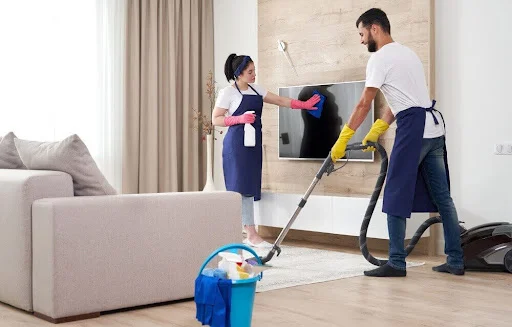
This is why many homeowners and builders hire professional cleaners in Melbourne at the end of a project. They go through the property carefully and make sure nothing is left behind that could cause trouble later.
Why a Newly Built Space Can Still Feel Unfinished
A home or commercial space can look clean but still feel off. Floors feel gritty underfoot, surfaces seem to collect dust quickly, and glass shows marks you didn’t notice before.
That happens because construction leaves behind a different kind of mess. Cutting, sanding, drilling, and sealing materials releases particles and leftovers that normal cleaning does not remove.
Understanding this makes it clear why post-construction cleaning needs more than just a standard tidy. A deeper approach is needed to get the space truly ready to use.
This is especially important when owners are planning furniture placement or exploring storage solutions to keep the space functional and clutter-free from the start.
ost construction cleaning needs to go further than a standard tidy.
Fine Dust That Spreads Beyond Visible Surfaces
Once construction wraps up, dust is often the biggest thing left behind. It comes from sanding plaster, cutting timber, mixing concrete, and the everyday work on site. These particles are light and settle in ways normal dust doesn’t.
They land on floors and then drift into corners and hard-to-reach spots. Skirting boards, window tracks, shelves, wardrobes, and the tops of door frames quickly collect layers. Air vents and light fittings often end up with even more.
Using standard cleaning tools doesn’t get rid of it completely. The dust is lifted into the air, only to settle again a short time later. That’s why a property can feel dusty just days after it has been cleaned.
If it isn’t properly cleared early, it becomes much harder to manage once furniture is moved in and the space is being used.
Residue That Dulls New Finishes Over Time
After dust, the next problem is residue. Construction and renovation often leave thin films on surfaces that aren’t obvious at first. Paint overspray, grout haze, silicone smears, and cement can coat surfaces in ways you might not notice right away.
These marks usually show up when sunlight hits at an angle or when surfaces lose their shine faster than expected. Glass can look cloudy, tiles appear dull, and benchtops never quite feel clean.
Household cleaning products often struggle with this type of residue, and in some cases can even make it worse. Harsh chemicals or aggressive scrubbing can damage certain finishes.
Every surface needs its own approach. Stone, timber, glass, and metal all require different methods to restore the intended finish. Knowing how to handle each material makes the difference between a clean-looking space and one that really feels ready to use.
Adhesive Marks That Appear After Handover
Adhesive residue is a common post-construction problem. It can happen for several reasons:
Protective films left behind – Films on windows, floors, and cabinetry can leave sticky marks once removed.
Tapes left too long – Temporary tapes can harden in warm conditions and stick to surfaces instead of coming off cleanly.
Surface and adhesive mismatch – Some adhesives react poorly with coatings, laminates, or fresh paint, leaving uneven marks.
Rushed removal – Pulling films or tape too quickly at the end of a project can tear the adhesive layer and leave fragments behind.
Early cleaning mistakes – Using sharp tools, strong solvents, or too much pressure can smear the adhesive and damage the surface.
Why Standard Cleaning Is Not Designed for Post Construction Work
Regular household cleaning focuses on living in spaces. It is not designed to handle fine construction dust, adhesive residue, or cement based materials. Domestic vacuums lack the filtration needed to capture fine particles. Standard cloths and mops spread residue rather than remove it.
Post construction cleaning requires a specific sequence. High dusting comes before detailed vacuuming. Residue removal happens before final surface finishing. Skipping steps leads to missed areas and repeat work.
Without this approach, a property may look acceptable but never truly feel finished.
The Importance of Trained Post Construction Cleaners
Experience changes what gets noticed. Trained cleaners see subtle haze on glass, uneven dust patterns, and early signs of residue that others often miss. They also know how fragile new finishes can be.
Fresh paint, newly laid floors, and new fixtures need careful handling. Using the wrong products or techniques can undo weeks of work, no matter how well the construction was done.
This is why builders and property managers often rely on specialist cleaners at the end of a project. It protects the quality of the work and makes sure the space is ready to use.
Why Builders and Property Managers Cannot Ignore This Stage
For builders, the final clean shapes first impressions. Clients may not notice structural work, but they immediately see smears, dust, and sticky surfaces. These details influence how the entire project is judged.
Property managers face similar pressures. Tenants moving into renovated properties expect the space to feel fresh and ready. If cleaning is overlooked, complaints come quickly, even when the renovation itself is excellent.
A thorough post-construction clean reduces callbacks, protects reputations, and ensures handovers go smoothly.
Closing Perspective
Construction and renovation take time, money, and patience. It’s tempting to rush the final stage, but this is when attention matters most. Small things like dust, residue, adhesive marks, and leftover debris can make a space feel unfinished.
A proper post-construction clean isn’t about perfection. It’s about finishing the job the right way so the work underneath can speak for itself and the property feels truly ready for everyday use.