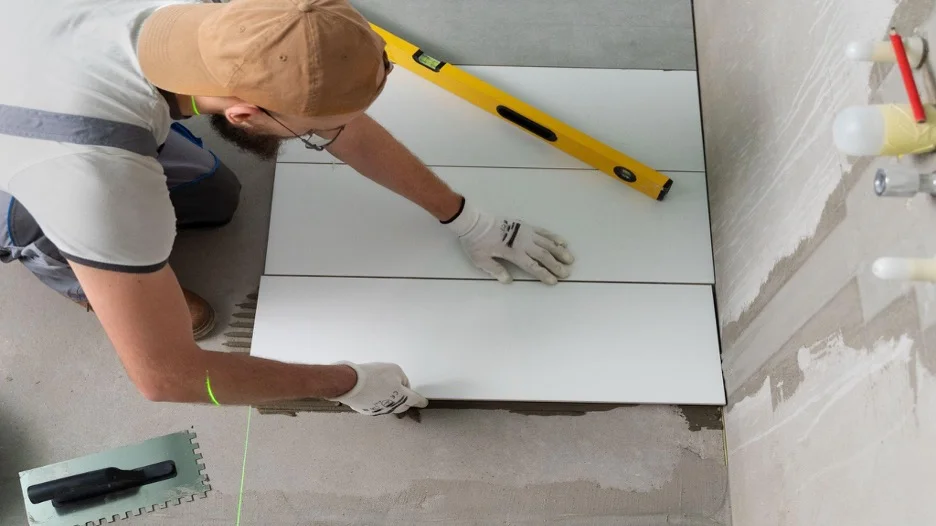
Marble tiles are one of the materials that can bring sophistication and elevation to your space, if that is your goal. They’ve got that certain je ne sais quoi that transforms bathrooms into luxurious spas, gives palatial vibes to toilets, and adds timeless sophistication to floors, an aesthetic that goes with basically any other decor style.
Unfortunately, marble tiles don’t give you second chances. Make a single mistake and you have to face the consequences of permanently damaged tiles, stains that will never come out, or the nightmare of ripping up and restarting the whole thing. This is even worse with white marble, where all imperfections will never be missing. So whether you are planning on doing this yourself or hiring someone, recognizing this damage from the start will save a lot of money, and further pain from all the issues that come from the mistakes.
1. Skipping Proper Surface Preparation
The biggest mistakes typically happen before the installation of the marble tiles. If a surface is uneven, dirty, or unstable, let’s just say, you’re without a doubt, asking for trouble. With imperfections underneath a white marble tile, it will reflect every um, irregularity that you ignored, as a future crack or strongly irregular tile. Before installing, a surface should be completely level, cleaned thoroughly, and completely dry.
2. Using the Wrong Adhesive
There are some adhesives that do not work with marble. Wrong adhesives can stain your gorgeous marble tiles. Dark or generic thinset mortars can seep through the darker marble porous surface causing eternal discoloration. Always make sure you use a white thinset mortar that does not stain and that is specifically for natural stones, and skip the adhesive mastic wet areas like the bathroom.
3. Forgetting to Back-Butter Large Tiles
Large format marble tiles have a very subtle curve and dip that are not visible with the naked eye. If you are back buttering and only applying adhesive to the floor, and skipping the back of the tile, you do not get full contact of the tile, which leads to hollow areas and eventually, cracked tiles. Back buttering does not mean applying a thick layer of thinset to the back of each tile, thinset is not a noun, but a verb, that means you won’t get a solid bond.
4.Not Planning the Layout First
There are some that jump right in, and some that do not realize that going just straight into installation without a layout plan creates weird and awkward cuts at the edges of the tile. To avoid that, you can do a dry layout of your tile. Also with marble, the natural flowing veins look a lot better when arranged the right way.
5. Using Sanded Grout on Polished Marble
More marble floors have their finish destroyed because of this mistake than anything else. Sanded grout has abrasive materials that scratch and dull polished marble. Those scratches are permanent and have to be polished by an expensive restoration. For marble tile, always use unsanded grout. Before applying, do a spot test on a spare tile to make sure the grout won’t leave a residue.
6. Ignoring the Sealing Step
Since marble is a very porous stone, it will absorb any liquid that is spilled on it. This includes stains from grout or adhesive used to install the tiles, and any other liquid that is spilled on the surface. A seal marble tiles before grout to easily create a barrier that will prevent the grout from staining the marble surface. If you don’t do this, you will be stuck with grout haze that will be almost impossible to remove from your marble as it will have soaked into the stone.
7. Creating Lippage Issues
Having tiles installed with lippage is a very common issue that happens when one tile is installed higher than the tile that is next to it. This creates an uneven surface that can be dangerous as a tripping hazard. With polished white marble tiles, this issue is even more clear because the light reflects off the uneven surfaces differently. With a leveling system, a straightedge, and a lot of easy continual checking of the work, this can be avoided.
8. Cutting Marble with Wrong Tools
Using regular tile cutters or dry saws on marble leads to chipped edges and cracked tiles. Marble requires a wet saw with a diamond blade specifically designed for natural stone. The water cools the blade and reduces dust while making clean cuts. Take your time with cuts and always wear safety goggles.
9. Choosing Wrong Grout Colors
It is surprising how often some mistakes are made when it comes to picking the color of the grout. Grout that is white on marble tiles that are white will create a lack of colors visually, but it will also show a lot of dirt. The pattern of the tiles will be shown easier with sage or charcoal grout and it will not show stains as easily. Before grouting, make sure to consider how it will look after a long time.
10. Rushing the Curing Process
More marble installations have been ruined from impatience than would be believed. If tiles have not been set long enough, walking on them or grouting too early will put the whole installation at risk. If enough time is not given for the thinset to cure, you will end up with loose tiles and weak grout joints.
12. Buying from Unreliable Suppliers
Buying bad quality marble from unreliable suppliers before installation is the most expensive mistake. Buying cheap marble tiles that have different thicknesses, cracks you can’t see, and unprofessional regulation that makes installation pointless. Good suppliers take the time to classify their marble and make sure sizing is consistent. Buying quality white marble tile from trustworthy suppliers means you’re working with marble that’s already cut, inspected, and ready.
13. Skipping Professional Help When Needed
It is difficult to find that balance with DIY projects where a person does it themselves and where a person can lose a lot of money. It is common for people to underestimate the installation of marble and take their time. If you have never used real stone, don’t have the right tools, or have to do large sections such as bathroom floors, professionally preserving a lot of money is actually gaining money. Professional installers know how to handle the tricky nature of marble and can finish what would take you weeks in a matter of days.
Avoiding These Costly Mistakes
Successfully installing marble tiles means being prepared, patient, and having the correct materials and techniques. These twelve errors account for the majority of cases with failed installations, and therefore, costly repairs. Be it a bathroom floor, kitchen backsplash, or shower surround, doing it right the first time always saves time and money. If you’re ready to begin your marble tile project with quality materials, begin by exploring marble tiles from reputable suppliers, to ensure you are working with the premium natural stone that is worth being installed correctly.