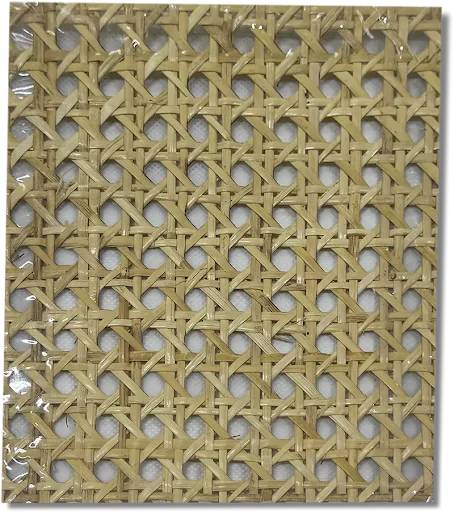
There’s something quietly irresistible about rattan cane furniture. At a time when many interiors aim for sleek, hard-edged finishes, the warm, woven character of cane quietly stands out. If you’ve walked into a room recently and felt an instant sense of calm, chances are there’s a cane chair or rattan side table quietly doing its job.
In many modern homes, rattan and cane are no longer niche or vintage just for the sake of nostalgia. They’re actively being chosen because they balance style, comfort and sustainability in a way that feels fresh. Let’s explore why this material is resurging — and how you can bring it into your own space.
Natural Texture Meets Versatility
One of the biggest reasons designers are turning to rattan and cane is the texture. In a world of flat surfaces, gloss finishes, and minimalism everywhere, the woven look of cane brings life into a room. It adds dimension and a tactile quality that’s often missing.
Whether it’s a cane-back dining chair, a rattan bench, or a side table with cane panels, this material introduces organic lines and subtle pattern without being overly busy. It pairs well with wood, metal, glass — or on its own. For modern interiors that still want warmth, rattan is a smart choice.
Lightness and Breathability
Another feature worth highlighting: cane furniture has a light visual footprint. Because of its open weave, it allows light to pass through and doesn’t feel heavy or bulky. In smaller rooms or open-plan spaces this is a real advantage — the piece is present, but it doesn’t dominate.
In warm climates or rooms that face strong daylight, its breathable aesthetic also helps keep the space feeling airy rather than closed off. It’s both practical and stylish.
Sustainability and Authenticity
Today, homeowners are far more aware of what materials are made of and how they age. Unlike many synthetic furniture materials, rattan and cane come from natural, renewable sources. When it’s well maintained, a good cane piece can last for years, even decades.
This authentic character adds value in a subtle way. A rattan chair might develop a golden patina, the caning might acquire slight variations — these marks become part of its story. In an age of mass-production and fast furniture, an item with texture, history and natural material feels like a much better investment.
Bridging Styles: From Boho to Minimal to Scandinavian
One of the most appealing things about rattan cane furniture is that it doesn’t lock you into one style. It works in bohemian, coastal or eclectic spaces — but just as well in minimalist or Scandinavian interiors.
- In a boho or relaxed interior: a rattan hanging chair, cane headboard or woven sideboard fits right in, bridging indoor/outdoor feel.
- In a minimalist setting: The natural tone of cane softens white walls, adds subtle interest without overwhelming the simplicity.
- In a Scandinavian room: Combining light wood, neutral textiles and cane elements creates a warm, layered look that doesn’t sacrifice clean lines.
Because it’s so neutral and natural, it’s easy to integrate without overhauling your whole décor.
How to Choose and Use Cane Furniture in Your Home
If you’re thinking of bringing rattan cane into your space, here are a few practical pointers to make sure the piece works and lasts.
- Check build quality
Look at the joinery, how the caning is finished, if the frame is solid. A well-constructed cane chair will feel sturdy, the weave should be tight and neat. - Choose the right finish
Natural rattan or cane tends to age gracefully. Some pieces are dyed or lacquered for specific style effects. Decide if you want raw texture or a more polished appearance. Lighter natural tones often work well with contemporary interiors. - Match size to space
Because cane furniture often appears lighter, it’s great in smaller rooms — but scale still matters. A large rattan lounge in a compact apartment could dominate; conversely, a small cane stool in a big space may feel insignificant. - Combine with other textures
Since cane brings its own texture, pair it with smooth surfaces like plain upholstery, linen cushions, or metal side tables. The contrast brings balance. You don’t need to match wood tones exactly — the mix is part of the charm. - Care and maintenance
Cane furniture calls for a little care. Keep it away from direct intense sunlight to avoid fading and drying out. Dust gently, occasionally wipe with a damp cloth and allow to dry. If the caning sags over time, it may be re-caned or professionally repaired — giving the piece and extended life.
Why Now? Why the Comeback?
You might ask: why now? Why is cane suddenly trending again? A few reasons stand out:
- After the extreme minimalism of recent years, people are craving warmth and natural elements back in their homes.
- Sustainability is no longer just a buzzword. Natural materials with longevity and character are being preferred over quick-throwaway furniture.
- The lines between indoor and outdoor living are blurred, especially in climates and spaces where connecting with nature matters. Rattan fits that bridge.
- Designers are looking for materials that aren’t overly polished — something with imperfections, texture and humanity.
When you understand this context, cane furniture becomes not just a design choice, but a lifestyle choice. It’s about surrounding yourself with pieces that feel alive, tactile and comfortable.
Final Thought
If you love interiors that feel calm yet layered, natural but styled, then rattan cane furniture offers a smart path forward. It brings texture, authenticity and versatility without shouting for attention. In modern homes where personality and comfort matter just as much as aesthetics, pieces made from rattan or cane give your space an understated elegance.
So whether you’re redecorating a living room, refreshing a balcony, or adding a piece to your bedroom — consider a cane item. The woven touch, the warm tone, the natural material — it might just be the piece that quietly transforms your space into something richer, softer and more human.