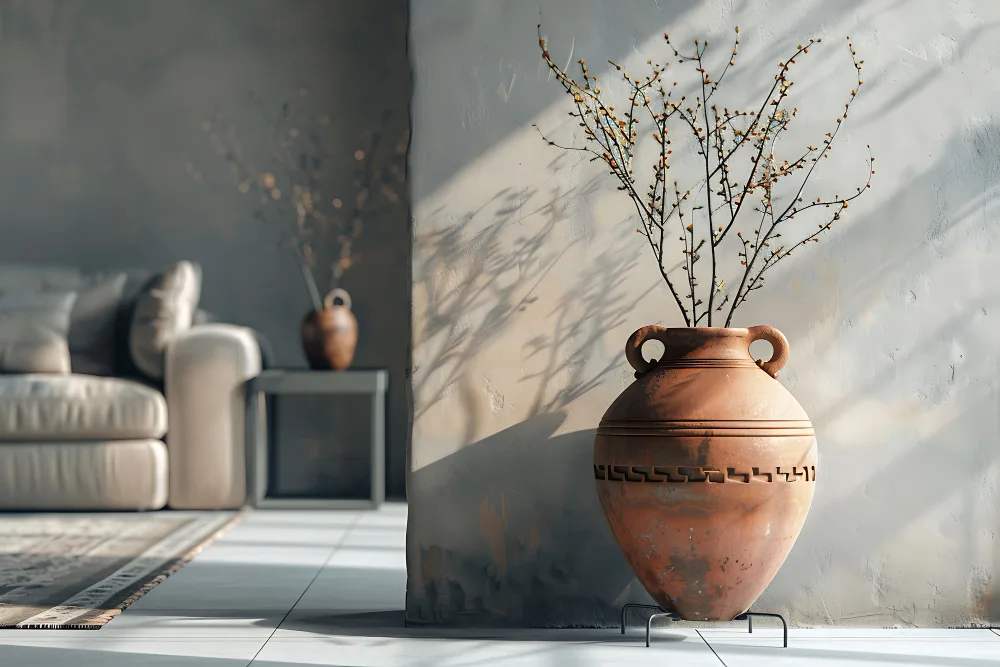
In recent years, Pyntekvister, or decorative twig arrangements, has become a hallmark of Scandinavian-inspired interiors. This elegant approach to home décor brings natural beauty indoors while maintaining a minimalist and stylish aesthetic. Whether you are aiming to create a cozy corner, a centerpiece, or a seasonal display, Pyntekvister offers endless possibilities. In this guide, we will explore how to make stunning twig arrangements that elevate your living space.
What Makes Pyntekvister Special
Pyntekvister stands out because it emphasizes simplicity, natural textures, and creative expression. Unlike traditional floral arrangements that often rely on vibrant colors and elaborate structures, Pyntekvister highlights the raw, organic shapes of twigs and branches. This approach complements the principles of Scandinavian design, which prioritize:
- Minimalism: Clean lines and uncluttered arrangements.
- Natural Materials: Wood, twigs, and dried elements form the core of the aesthetic.
- Balance and Harmony: Each piece is thoughtfully positioned for visual appeal and equilibrium.
The beauty of Pyntekvister lies in its versatility—it can suit modern, rustic, or even eclectic interiors with ease.
Choosing the Right Twigs
The first step to creating a stunning arrangement is selecting suitable twigs. Here are some tips:
1. Types of Twigs
- Birch: Smooth, light-colored twigs ideal for minimalist arrangements.
- Willow: Flexible twigs that can be curved into interesting shapes.
- Eucalyptus: Adds fragrance and subtle greenery to your display.
- Maple or Oak: Stronger, textured twigs that provide structure and character.
2. Size and Shape
Choose twigs that vary in length and thickness to create depth. Thin, delicate twigs can act as accents, while thicker branches provide stability and height.
3. Condition
Look for twigs that are free from mold or excessive brittleness. Slight imperfections are acceptable—they add character and natural charm.
Preparing Your Twigs
Before arranging your twigs, it is essential to prepare them properly:
- Cleaning: Remove any dirt, loose bark, or leaves. Wipe down twigs with a damp cloth.
- Trimming: Cut twigs to desired lengths using sharp garden shears. Aim for a mix of heights for a more dynamic arrangement.
- Optional Treatment: If desired, you can lightly sand rough edges or apply a clear matte varnish to preserve and enhance the twig’s texture.
Proper preparation ensures your arrangement lasts longer and maintains its visual appeal.
See also Soutaipasu Uncovered: Understanding Its Meaning and Everyday Uses
Tools and Materials You’ll Need
Creating a Pyntekvister arrangement is simple but requires some basic materials:
- A vase, container, or decorative pot
- Floral foam or a small weight to stabilize twigs
- Pruning shears or scissors
- Optional decorative accents (dried flowers, berries, or small ornaments)
Having the right tools ensures precision and allows for creative flexibility.
Step-by-Step Guide to Creating a Stunning Arrangement
Step 1: Select Your Base Container
Choose a vase or container that complements the style of your arrangement. Minimalist glass or ceramic vases work well for Scandinavian interiors, while rustic pots suit more naturalistic or farmhouse styles.
Step 2: Create a Stable Foundation
Use floral foam, pebbles, or a small weight at the base to keep twigs upright and balanced. This foundation allows you to experiment with placement without worrying about tipping or collapsing.
Step 3: Arrange the Main Branches
Start with the tallest and most prominent twigs. Place them in a triangular or fan-like formation to create a natural, flowing look. Keep the spacing slightly irregular to maintain a sense of organic movement.
Step 4: Add Supporting Twigs
Layer smaller, thinner twigs around the main branches. These supporting twigs fill gaps and add texture, enhancing the depth and complexity of the arrangement.
Step 5: Optional Decorative Touches
Incorporate seasonal or decorative elements such as dried flowers, small berries, or subtle ornaments. These accents should complement the twigs rather than overwhelm them.
Step 6: Step Back and Adjust
Take a moment to view the arrangement from different angles. Adjust twig placement, angles, and spacing to achieve a balanced yet dynamic display.
Styling Ideas for Different Spaces
Pyntekvister arrangements can transform any area in your home. Here are some ideas:
1. Living Room Centerpiece
Place a medium-sized arrangement on a coffee table or sideboard. Pair with neutral candles or minimalist décor for a cohesive look.
2. Entryway Accent
A tall arrangement in the foyer creates a welcoming and natural first impression. Use vertical twigs to draw the eye upward and make the space feel larger.
3. Dining Table Display
Combine multiple short arrangements along the center of the table. This setup works beautifully for seasonal gatherings or casual everyday dining.
4. Bedroom Serenity
Place a small twig arrangement on a nightstand or dresser. Keep accents subtle—think single twigs or small clusters for a calming, minimalist touch.
5. Seasonal Variations
Swap out decorative accents for seasonal changes:
- Autumn: Add small pumpkins or dried leaves.
- Winter: Incorporate pinecones, berries, or fairy lights.
- Spring: Include budding twigs or dried flowers for freshness.
Tips for Maintaining Your Arrangement
To ensure your Pyntekvister arrangement remains beautiful:
- Avoid Direct Sunlight: Twigs may fade or dry out faster in intense sunlight.
- Dust Regularly: Lightly dust with a soft brush or cloth to maintain texture.
- Replace Accents Seasonally: Swap decorative elements to keep the arrangement fresh and relevant.
- Refresh Base as Needed: If using floral foam or water-based stabilization, ensure it remains secure and dry to prevent mold.
With minimal care, Pyntekvister arrangements can last for months while maintaining their natural charm.
Why Pyntekvister Remains Popular
The enduring appeal of Pyntekvister lies in its:
- Simplicity: Requires minimal materials while delivering maximum aesthetic impact.
- Connection to Nature: Brings natural elements indoors, fostering calm and mindfulness.
- Versatility: Suitable for any room, season, or style preference.
- Creativity: Offers endless opportunities to personalize and experiment with form and design.
Whether you are decorating a modern apartment, rustic cottage, or contemporary home, Pyntekvister provides a sophisticated, nature-inspired solution.
Conclusion
Creating stunning twig arrangements with Pyntekvister is both rewarding and accessible. By selecting the right twigs, preparing them carefully, and arranging them thoughtfully, you can enhance any living space with a touch of natural elegance.
From minimalist Scandinavian designs to seasonal displays, Pyntekvister allows you to bring the beauty of the outdoors inside while maintaining a clean, stylish aesthetic. Whether for a centerpiece, corner accent, or seasonal décor, twig arrangements offer a simple yet powerful way to elevate your home’s ambiance.
Embrace Pyntekvister and discover how the artistry of natural twigs can transform your living spaces into serene, beautiful, and inviting environments.