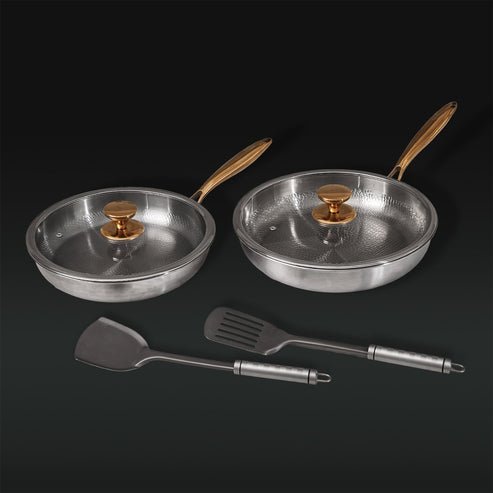
Choosing the right cookware can make everyday cooking easier, more efficient, and enjoyable. For home cooks who want durable and versatile kitchen equipment, titanium cookware sets can be an appealing option. Titanium is known for its strength, lightweight nature, and resistance to corrosion, making it a material that has gained attention in modern cookware design. Whether you prepare simple weekday meals or enjoy experimenting with more elaborate recipes, selecting cookware that suits your cooking habits can have a noticeable impact on your kitchen experience.
A well selected cookware set can also help simplify meal preparation by giving you several useful pieces in one collection. Instead of purchasing individual pots and pans, a complete set can provide different sizes and shapes for sautéing, simmering, boiling, frying, and other cooking tasks. However, not every cookware set is designed in the same way. Understanding construction, materials, maintenance requirements, cooking performance, and compatibility with your kitchen setup can help you make a more informed decision.
What Is Titanium Cookware?
Titanium cookware refers to pots, pans, and other kitchen vessels that incorporate titanium into their construction. Titanium is a strong metal that is naturally resistant to corrosion and is relatively lightweight compared with many traditional cookware materials.
Pure titanium is not always used as the sole material in cookware. In many products, titanium may be incorporated into a cooking surface, structural layer, coating, or reinforced construction. The exact design depends on the manufacturer and the intended use of the cookware.
One of the main reasons titanium has become popular in kitchen products is its combination of strength and low weight. A heavy pan can sometimes be difficult to handle, particularly when it contains a large amount of food. Lightweight construction can make lifting, moving, and pouring more comfortable.
When shopping for titanium cookware, it is therefore important to read the product specifications carefully. Understanding whether the cookware is made from titanium, contains a titanium reinforced surface, or uses titanium as part of a layered construction can help you compare products more accurately.
Why Choose Titanium Cookware Sets?
A cookware set can be a practical choice for people who want several essential pieces without purchasing everything separately. Titanium based cookware can offer several characteristics that appeal to both everyday cooks and experienced kitchen enthusiasts.
Durability is one of the major advantages associated with titanium. The material is strong and resistant to corrosion, which can contribute to long term usability when the cookware is properly maintained.
Another benefit is weight. Titanium can provide strength without the same heaviness associated with some other metals. This can be particularly useful for people who frequently move cookware between the stovetop, countertop, and storage areas.
Titanium cookware can also have a modern appearance and may complement contemporary kitchen designs. Depending on the construction, it can provide a combination of functionality and visual appeal.
However, cookware performance depends on more than the material name alone. The thickness of the cookware, base construction, handle design, cooking surface, and manufacturing quality all influence how a pan performs during regular use.
Important Pieces to Look for in a Cookware Set
Before purchasing a cookware collection, consider which pieces you actually use. A larger set is not automatically better if several pieces remain unused in your cabinets.
A useful collection may include a frying pan for eggs, vegetables, and quick meals. A saucepan can be useful for heating liquids, making sauces, cooking grains, and preparing smaller portions. A larger sauté pan can handle vegetables, meat, pasta sauces, and one pan meals.
A stockpot can be valuable for soups, stews, pasta, and larger quantities of food. Some sets may also include a smaller skillet, steamer insert, or specialty pan.
Consider the sizes as well as the number of pieces. A household that usually prepares meals for one or two people may have different needs from a large family.
Before buying, make a list of the meals you prepare most frequently. This simple step can help you identify which cookware pieces will provide genuine value.
Consider the Construction
Construction is one of the most important factors when evaluating cookware. The material alone does not determine cooking performance.
Look at the overall thickness and structure of each pan. A well designed base can influence heat distribution and stability on the stovetop. If the cookware is too thin or poorly constructed, food may cook unevenly.
Layered cookware can combine different materials to achieve specific performance characteristics. For example, a manufacturer may use different metals for structural strength, heat distribution, and cooking surface properties.
The handles should also receive attention. Handles need to feel secure and comfortable when the cookware is full. Riveted, welded, or otherwise firmly attached handles can offer different advantages depending on the design.
Lids are another important consideration. A properly fitting lid can help retain moisture and heat when simmering or cooking foods that require controlled temperatures.
Heat Distribution and Cooking Performance
Even heating is an important characteristic of good cookware. When heat is distributed consistently across the cooking surface, food is less likely to develop unwanted hot spots.
This can be especially important when preparing delicate foods. Uneven heating can cause some areas of a pan to cook faster than others, making it harder to achieve consistent results.
When evaluating titanium cookware, look beyond the titanium component itself. Check how the base is designed and what other materials are incorporated into the construction.
The type of stovetop you use also matters. Gas, electric, ceramic, and induction cooktops can interact differently with cookware. Always confirm that the set is compatible with your specific cooking surface before purchasing.
Titanium Cookware and Induction Cooking
Induction cooktops require cookware with magnetic properties. Because titanium itself is not generally magnetic, titanium cookware may require a compatible magnetic base to work with induction technology.
If you use an induction cooktop, check the manufacturer’s specifications rather than assuming that a cookware set will work with induction simply because it contains titanium.
This is particularly important when purchasing cookware online, where product descriptions may emphasize material composition without clearly explaining stovetop compatibility.
For gas or electric cooking, other factors such as base design, thickness, and heat responsiveness may be more relevant.
Nonstick Considerations
Some cookware sets incorporate nonstick surfaces, while others provide an uncoated cooking surface. The right choice depends on your cooking habits.
Nonstick surfaces can be useful for foods that tend to stick, including eggs, pancakes, and delicate fish. They can also make cleanup easier because food residue is less likely to adhere strongly to the surface.
However, nonstick cookware requires appropriate care. Excessive heat, unsuitable utensils, and abrasive cleaning products can reduce the lifespan of some nonstick surfaces.
If a cookware set includes a coating, read the manufacturer’s care instructions carefully. Use utensils recommended for that specific surface and follow the stated temperature guidelines.
Choosing the Right Size
Size is often overlooked when purchasing cookware. A pan that is too small can become overcrowded, while an oversized pan may be inconvenient for smaller meals.
Think about the typical number of servings you prepare. A smaller skillet may be suitable for breakfast or individual meals, while a medium or large sauté pan may be better for family dinners.
A saucepan around the smaller end of the range can be useful for sauces and grains, while a larger pot may be more suitable for soups and pasta.
A balanced set should provide different capacities rather than several pieces that are almost identical in size.
Handle Design and Comfort
Cookware should be comfortable to use. Even a high quality pan can become frustrating if its handle is awkward or difficult to grip.
Look for handles that provide a secure grip and sufficient space for your hand. Long handles can provide leverage when lifting pans, while helper handles can make larger cookware easier to carry.
Consider the balance of the pan as well. A lightweight pan may still feel uncomfortable if the handle causes the cookware to tip or become unbalanced.
If possible, hold cookware before buying it. If purchasing online, carefully review the dimensions and product specifications.
Lids and Storage
Good lids can improve the versatility of cookware. They help retain moisture, reduce splattering, and maintain cooking temperatures.
Glass lids can make it easier to monitor food without removing the lid, while solid metal lids can offer durability and a simple appearance.
Storage should also be considered. A large cookware collection can quickly occupy valuable cabinet space. Look for sets that stack efficiently if your kitchen has limited storage.
Some cookware sets are designed for nesting, allowing smaller pieces to fit inside larger ones. This can be especially helpful in compact kitchens.
Cleaning and Maintenance
Proper maintenance can significantly influence cookware longevity. Always follow the manufacturer’s cleaning instructions because different surfaces and constructions may require different care.
Avoid harsh cleaning products unless they are specifically recommended. Abrasive scrubbers may damage certain surfaces, particularly coated cookware.
Allow cookware to cool appropriately before washing if the manufacturer’s instructions recommend doing so. Sudden temperature changes can affect some cookware materials.
Dry cookware thoroughly after cleaning to help maintain its appearance and prevent water spots.
If food becomes stuck, soaking the pan can often loosen residue without requiring aggressive scrubbing. Gentle cleaning methods are generally preferable for maintaining cookware over time.
How to Choose Titanium Cookware Sets for Your Kitchen
The best cookware set is not necessarily the largest or most expensive option. It should match your cooking style, kitchen equipment, household size, and maintenance preferences.
Start by identifying your most common cooking tasks. If you frequently prepare stir fries, vegetables, and quick meals, a quality skillet or sauté pan may be especially important. If you regularly cook soups and pasta, prioritize a suitable larger pot.
Next, check compatibility with your stovetop. Induction users should confirm that the cookware has a suitable magnetic base.
Then examine construction, handles, lids, dimensions, and care requirements. If the set includes a coating, understand how it should be maintained.
Finally, consider how much storage space you have. A compact collection containing genuinely useful pieces can be more practical than a very large set filled with cookware you rarely use.
Common Mistakes to Avoid
One common mistake is choosing a cookware set based only on its material name. Titanium may be an attractive feature, but the complete construction determines how the cookware performs.
Another mistake is buying too many pieces. A large set may look like good value, but unused cookware takes up storage space and may not justify the additional cost.
Ignoring stovetop compatibility is another issue. Always verify whether the cookware works with your cooking surface before making a purchase.
It is also important not to overlook care instructions. Some cookware requires specific cleaning methods or utensil recommendations.
Finally, avoid choosing cookware based solely on appearance. A stylish finish can be attractive, but practical factors such as weight, size, construction, handles, lids, and cooking compatibility should take priority.
Final Thoughts
Selecting cookware is an investment in your everyday kitchen routine. Titanium cookware sets can be an appealing choice for cooks who value strength, lightweight handling, durability, and versatile kitchen equipment. However, titanium should be considered as part of the complete cookware design rather than as the only measure of quality.
Before making a purchase, consider the pieces included in the set, construction quality, cooking surface, heat distribution, stovetop compatibility, handle design, storage requirements, and cleaning instructions. Think about the meals you prepare most often and choose cookware that supports those tasks. If you need additional guidance about selecting the right cookware for your kitchen, contact us to learn more about available options and find a set that suits your cooking needs.
A thoughtfully selected cookware collection can simplify meal preparation and provide reliable equipment for years of everyday cooking. By focusing on practical features instead of simply choosing the largest set or the most impressive material description, you can find cookware that fits your kitchen, cooking style, and long term needs.