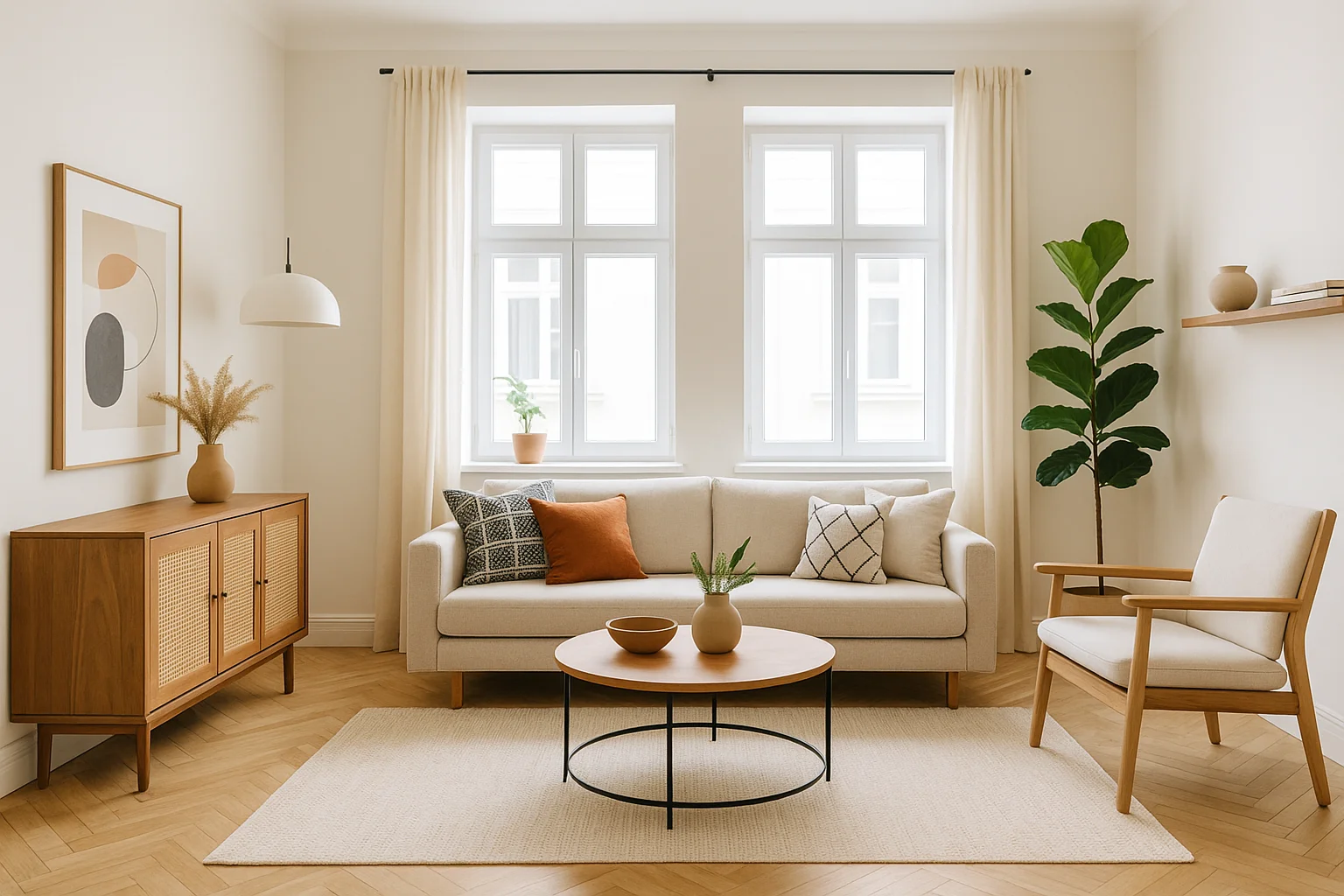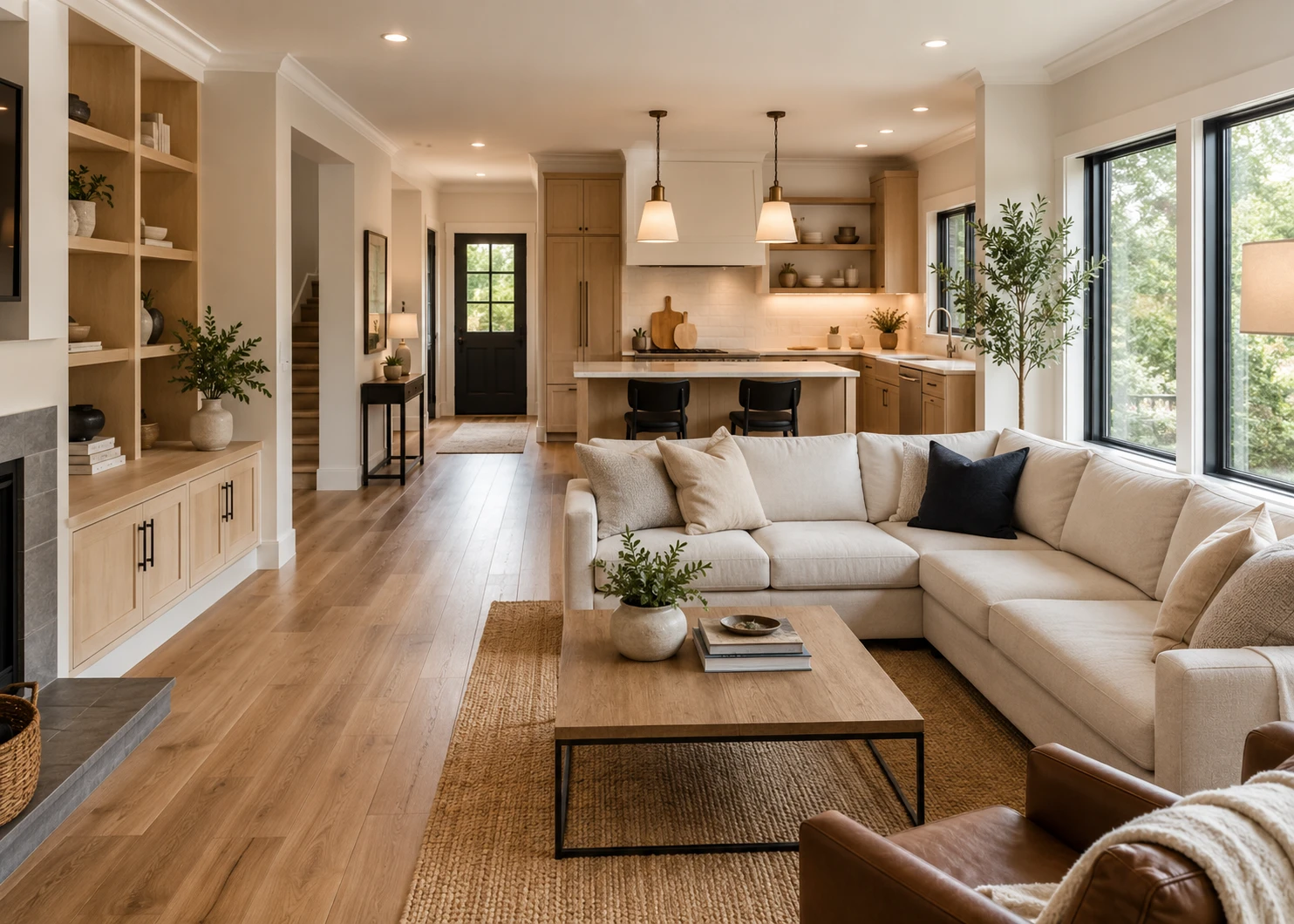
Why home improvement is important Mintpalhouse comes down to a simple principle: a home must continue adapting to the people who live in it. Surfaces wear out, household needs change, building systems age, and layouts that once worked can become inconvenient. Thoughtful improvements protect the property while making everyday life safer, easier and more comfortable.
Home improvement is not limited to expensive remodeling or visual decoration. It includes repairing a leaking fixture, improving ventilation, replacing unsafe flooring, reorganizing storage, sealing air leaks and updating rooms that no longer function efficiently. The value of each project depends less on its size and more on whether it solves a genuine problem.
The Mintpalhouse approach places function, safety and durability before temporary design trends. Instead of changing a home simply because a style has become popular, it encourages homeowners to understand what the property needs and improve it in a sensible order.
Home Improvement Protects the Building
Every property experiences gradual wear. Water, sunlight, temperature changes, daily movement and normal use affect roofing, plumbing, flooring, paint, sealants and fixtures. Small defects may appear harmless at first, but neglected problems often spread into adjoining materials.
A loose roof flashing can allow water into insulation or ceilings. Failed bathroom caulk may expose walls and subfloors to moisture. A dripping pipe can damage cabinetry while encouraging mold growth in a concealed area. Exterior cracks can widen through repeated exposure to changing weather.
Regular improvement work helps interrupt this chain of deterioration. Repairing the original defect is normally easier than replacing several damaged components later.
Homeowners should pay particular attention to:
- Water stains on walls or ceilings
- Damp or musty odors
- Cracked grout and failed sealants
- Loose tiles, railings or floorboards
- Peeling exterior finishes
- Slow drains and recurring leaks
- Doors or windows that suddenly become difficult to operate
- Unusual sounds from electrical, plumbing or HVAC systems
These signs do not always indicate a major structural problem, but they deserve investigation. Early attention protects both the building and the homeowner’s budget.
It Makes Everyday Living Safer
Safety is one of the strongest reasons to improve a home. Older properties may contain worn wiring, unstable steps, inadequate lighting, slippery surfaces or layouts that are difficult for children and older adults to navigate.
Useful safety improvements can be simple. Brighter lighting along stairs improves visibility. Secure handrails provide better support. Non-slip flooring reduces fall risk in bathrooms and entryways. Properly placed smoke and carbon monoxide alarms strengthen emergency protection. Repairing damaged outlets, loose boards and broken locks removes hazards that occupants may otherwise encounter every day.
Some work should never be approached as a casual DIY project. Electrical panel modifications, gas-line work, structural alterations and complex plumbing repairs generally require suitably qualified professionals. Knowing when specialist knowledge is necessary is part of responsible home improvement.
A beautiful room is not successful if it introduces avoidable hazards. Safety must remain the first test of every proposed change.
Better Function Reduces Daily Frustration
A home can look attractive and still be difficult to use. Poor storage leads to clutter, inadequate lighting makes routine tasks uncomfortable, and an inefficient layout forces people to move unnecessarily between frequently used areas.
Functional improvements address these recurring difficulties. A kitchen may benefit from better task lighting and accessible storage rather than a complete redesign. An entryway might need hooks, seating and closed shoe storage. A bedroom could become more useful through improved wardrobe organization and correctly positioned electrical outlets.
The best improvements respond to actual household behavior. Before changing a room, homeowners should observe:
- Where clutter repeatedly accumulates
- Which areas are difficult to clean
- Where lighting is insufficient
- Which doors or drawers obstruct movement
- What items are used most frequently
- Whether furniture interrupts natural walking routes
- Which spaces remain unused and why
This practical evaluation produces more useful results than copying a fashionable room without considering how it will function in a different home.
Readers looking for cohesive styling ideas can explore the site’s home decor guidance alongside functional planning. This helps visual choices support the room instead of interfering with its purpose.
Home Improvement Can Improve Energy Efficiency
A considerable amount of household energy can be wasted through air leakage, weak insulation, inefficient equipment and poorly controlled lighting. Improvements in these areas can make indoor temperatures more stable while reducing unnecessary energy use.
The right starting point is an assessment of the home’s existing condition. Drafts around windows do not automatically mean every window needs replacement. Damaged weatherstripping or unsealed gaps may be responsible. Similarly, an uncomfortable room may be affected by insulation, ductwork, shading or ventilation rather than the heating and cooling equipment alone.
Practical efficiency measures may include:
- Sealing unwanted air gaps
- Repairing damaged door and window seals
- Improving insulation where appropriate
- Using efficient light sources
- Installing suitable window coverings
- Maintaining heating and cooling systems
- Fixing leaking hot-water pipes and fixtures
- Selecting efficient appliances when replacement becomes necessary
Energy-related projects should be chosen according to the building, climate and household’s usage patterns. Improvements deliver better results when they address a verified source of waste.
It Supports Healthier Indoor Conditions
People spend a large portion of their lives inside their homes, making indoor conditions an essential part of home quality. Excess moisture, poor ventilation, dust accumulation and unsuitable materials can affect comfort and, in some circumstances, health.
Kitchens, bathrooms, basements and laundry areas require particular attention because they regularly produce or encounter moisture. Exhaust systems should vent correctly, plumbing leaks should be repaired promptly, and damp materials should not be hidden behind new finishes.
Healthy-home improvements often involve:
- Controlling moisture at its source
- Improving ventilation
- Repairing water intrusion
- Choosing finishes appropriate for the room
- Reducing inaccessible dust traps
- Maintaining comfortable light and temperature levels
- Keeping frequently used surfaces easy to clean
Visible mold, persistent dampness or suspected hazardous materials may require professional assessment. Simply painting over a stain does not resolve the condition that created it.
A Well-Planned Home Is More Comfortable
Comfort is created by the relationship between layout, temperature, lighting, sound, furniture and materials. Home improvement allows these elements to be adjusted as household needs evolve.
Layered lighting can make one room suitable for reading, working and relaxing. Thoughtful window treatments can control glare and privacy. Soft furnishings may reduce echo in hard-surfaced rooms. Better furniture spacing makes movement easier without requiring additional floor area.
Comfort is personal, so improvement decisions should reflect the occupants rather than an idealized showroom. A family with young children may prioritize durable, washable materials. Someone working remotely may need acoustic separation and glare-free task lighting. A multigenerational household may benefit from accessible handles, wider routes and fewer changes in floor level.
The most successful home feels natural to use because its design supports the people living there.
Timely Work Can Prevent Larger Expenses
Delaying necessary maintenance rarely makes the underlying problem cheaper. A minor defect can become a more complicated repair when it affects structural materials, finishes or connected systems.
Preventive improvement does not mean replacing every aging feature immediately. It means inspecting the property, recognizing priorities and acting before a known weakness causes wider damage.
A sensible priority order is:
- Active safety hazards
- Water intrusion and moisture
- Structural concerns
- Electrical, plumbing and mechanical faults
- Weather protection and energy loss
- Functional limitations
- Cosmetic updates
This order protects the home’s essential systems before money is spent on appearance. Installing premium finishes while a moisture problem remains unresolved risks damaging the new work and paying for the same area twice.
The site’s broader collection of improvement guides can help homeowners examine materials, maintenance and planning topics before committing to a project.
Thoughtful Improvements Can Preserve Property Value
Property value is influenced by many factors, including location, market conditions, construction quality and the condition of the individual home. No renovation can guarantee a particular financial return. However, neglected damage and badly executed alterations can make a property less appealing and more difficult to maintain.
Improvements are more likely to support long-term value when they:
- Correct genuine defects
- Use materials suitable for the application
- Respect the home’s proportions and character
- Improve broadly useful functions
- Are installed competently
- Comply with applicable requirements
- Remain practical to maintain
Overly personalized or poorly planned work may not have the same value to another occupant. Durable flooring, sound building systems, adequate storage and well-maintained kitchens and bathrooms generally have broader usefulness than highly specialized features.
Homeowners should retain relevant invoices, warranties, approvals and project photographs. Accurate records can help with future maintenance and provide useful information when the property changes ownership.
Home Improvement Helps a Property Adapt
Homes must often serve purposes that were not considered when they were built. A spare room may become an office. Children’s needs change as they grow. Mobility requirements can develop over time. Families may need more privacy, storage or flexible living space.
Adaptation does not always require additional construction. Existing rooms can often perform better through zoned lighting, modular furniture, improved storage and clearer circulation. Planning for flexibility reduces the need to rebuild a room each time circumstances change.
Long-term decisions should consider:
- Whether routes are easy to navigate
- Whether controls and storage are accessible
- Whether rooms can support more than one activity
- Whether materials can tolerate expected use
- Whether future repairs will remain accessible
- Whether the design can be updated without demolition
This forward-looking approach extends the useful life of each improvement.
Planning Matters More Than Project Size
A small project can fail if it is poorly planned, while a modest change can deliver lasting value when it solves the right problem. Effective planning begins with defining the outcome.
Instead of deciding, “This room needs a makeover,” identify the specific issue: inadequate storage, weak lighting, damaged materials, uncomfortable temperature or restricted movement. A clear problem makes it easier to select a proportionate solution.
The planning process should include:
Assess the Existing Condition
Inspect the area before choosing materials or finishes. Look for moisture, uneven surfaces, damaged wiring, ventilation issues and hidden maintenance needs.
Establish a Realistic Budget
Include materials, labor, delivery, disposal and a contingency for unforeseen conditions. The cheapest initial option is not always the least expensive over its full service life.
Sequence the Work Correctly
Complete structural, electrical, plumbing and moisture-related work before installing decorative finishes. Correct sequencing prevents damage and unnecessary repetition.
Select Materials by Performance
Consider durability, cleaning, moisture exposure, slip resistance, repairability and compatibility with existing construction. Appearance matters, but it should not be the only criterion.
Decide Between DIY and Professional Work
Painting, basic organization and simple decorative changes may be manageable for many homeowners. Work involving structure, electricity, gas, major plumbing or regulated systems should be assigned to appropriately qualified professionals.
For larger projects, the site’s practical renovation tips provide a useful foundation for budgeting, scheduling and material selection.
Common Home-Improvement Mistakes
The most expensive problems are not always caused by low budgets. They are frequently caused by poor decisions before work begins.
Common mistakes include:
- Treating symptoms without correcting their source
- Starting cosmetic work before essential repairs
- Measuring only once
- Selecting materials unsuited to moisture or traffic
- Ignoring ventilation
- Following trends that conflict with household needs
- Changing plans repeatedly during construction
- Underestimating disposal and preparation costs
- Attempting specialist work without sufficient knowledge
- Hiring solely on the lowest quoted price
A written scope, accurate measurements and clear material specifications help prevent misunderstandings. Where contractors are involved, homeowners should confirm responsibilities, payment stages, timelines and how changes will be approved.
How to Decide Which Improvement Comes First
The best first project is not necessarily the most visible one. It is the improvement that resolves the most important present risk or limitation.
Begin with three questions:
- Is anything unsafe?
- Is water, weather or normal use actively damaging the building?
- Which problem disrupts daily life most often?
The answers create a rational starting point. A failing bathroom seal may deserve attention before new living-room furniture. Better kitchen lighting may deliver more daily value than decorative wall panels. Repairing an exterior drainage issue may protect several interior rooms at once.
Projects can then be divided into immediate, short-term and future work. This keeps improvement manageable and prevents unrelated ideas from competing for the same budget.
Why the Mintpalhouse Approach Matters
The central lesson behind why home improvement is important Mintpalhouse is that improvement should strengthen the home as a complete living system. Structure, safety, efficiency, comfort and appearance influence one another. A decision made in one area can affect several others.
New flooring changes more than a room’s appearance; it affects cleaning, acoustics, slip resistance and future maintenance. A kitchen redesign influences movement, lighting, ventilation and storage. Window treatments affect privacy, glare and indoor temperature. Understanding these connections leads to more balanced decisions.
Mintpalhouse is most useful as a practical planning perspective: protect the building first, make each room work properly, and then create a visual character that can be maintained over time.
Final Thoughts
Home improvement is important because it preserves the property, supports safer living and enables the home to change with its occupants. It can reduce recurring frustration, prevent avoidable damage and create healthier, more efficient rooms. These results do not depend on undertaking the largest or most expensive renovation.
The strongest project is the one that addresses a real need with suitable materials, careful planning and competent execution. When safety and function guide the decision, visual improvement becomes more meaningful and durable. That is the practical foundation of the Mintpalhouse approach: improve what matters, work in the correct order and build a home that continues serving everyday life.
Frequently Asked Questions
Why is home improvement important?
Home improvement protects aging materials and systems while improving safety, function, comfort and energy performance. Timely maintenance can also prevent minor defects from causing more extensive damage.
What is the first priority in home improvement?
Active hazards, water intrusion, structural concerns and faults in essential building systems should be addressed before decorative updates.
Does home improvement always require renovation?
No. Maintenance, repairs, improved lighting, storage changes, air sealing and better room organization can significantly improve a home without extensive construction.
Can home improvement increase property value?
Well-executed improvements may help preserve or support property value, particularly when they correct defects and improve broadly useful functions. The financial outcome depends on the project, workmanship, property and local market.
Which home-improvement tasks require professionals?
Structural changes and complex electrical, gas, plumbing or HVAC work generally require appropriately qualified professionals. Local rules may also require permits or inspections.
How should homeowners create an improvement budget?
Define the project scope, compare material and labor costs, include delivery and disposal, and reserve a contingency for conditions that may only become visible after work begins.