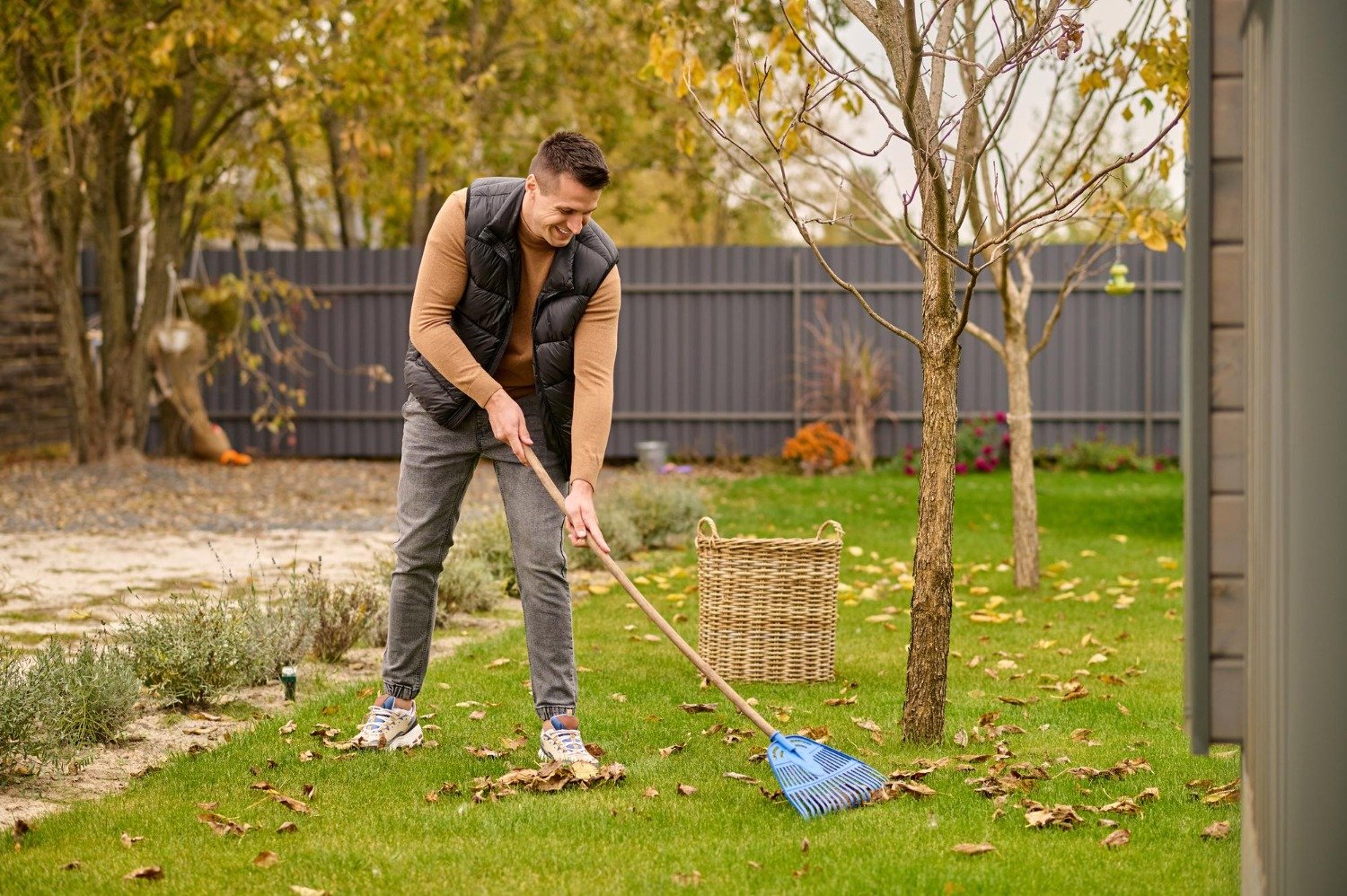
You’ve finally decided to tackle your garden. The gloves are on, the bin bags are out, and you’re ready to wage war on years of accumulated waste. Here’s the catch, though: most people dive in without a plan and end up creating more work for themselves.
But don’t worry, because we’ve got you covered. To save you the headache, here are the seven most common mistakes to avoid before you start hacking away.
- Not Checking for Wildlife First
Before you pull on those gloves and start ripping everything out, take a minute to look at your space.
That overgrown corner you’ve been ignoring? It’s exactly the kind of spot wildlife chooses. Hedgehogs nest in leaf piles, frogs settle into damp, shaded areas, and birds tuck themselves into dense shrubs.
If you go straight in and clear it out, you risk disturbing active nests or protected species, which, depending on the situation, can land you on the wrong side of the law.
So, instead of diving in immediately, sweep the area first. Look under piles of leaves, check inside thick hedges, and lift old wood, boards, and sheets to see if anything is hiding underneath.
Found something? Work around it and come back later. On the other hand, if there’s no sign of life, you’re good to carry on.
2. Using the Wrong Tools
Trying to cut back thick brambles with flimsy secateurs is a bit like carving a roast with a butter knife. You can technically manage it, but you’re going to regret every second of it.
Brambles and woody shrubs require loppers or a pruning saw, while dense grass and nettles are better handled with a strimmer, not a mower.
And if you’re dealing with compacted, root-heavy soil, you’ll have to use a mattock instead of those standard garden forks that bend at the first sign of resistance.
Don’t want to invest in tools you’ll use twice a decade? Fair enough. You can head to B&Q or Screwfix; both have decent ranges for hire, which can save you quite a bit of money.
3. Skipping Basic Safety Measures
This is something most people brush off, usually because garden work feels low-risk. But in fact, it isn’t that safe if you’re not an experienced gardener.
You’ve got thorns, sharp branches, hidden nails in old wood, and surfaces that turn slippery the second they get wet. All it takes is one rushed move or one missed step, and suddenly you’re dealing with an injury that could’ve been prevented.
So, don’t skip the basics: thick gloves, sturdy boots, and eye protection. You should also cover up any exposed skin, especially when working around plants like giant hogweed, which can cause serious burns on contact.
Yes, it’s not the most exciting advice. But A&E waiting rooms are boring, too, and considerably less comfortable.
4. Clearing Everything at Once
You may be tempted to go all in and clear your entire backyard in one weekend. Sure, it feels productive, but it can often backfire.
When you strip everything at once, you expose the soil, remove all the cover, and basically hand weeds an empty plot to move into. So, you can find yourself dealing with a full-blown infestation all of a sudden—definitely not the result you’re aiming for.
To avoid this, clear one section, see what you’re working with, and decide what actually needs to go back before moving on. You’ll have more control over the process and keep the soil stable.
As a bonus, you won’t end up with a giant pile of cuttings slowly decomposing while you wait for collection day.
5. Clearing Your Garden at the Wrong Time of Year
It’s easy to head out in early spring, full of motivation, and start clearing everything in sight. But that’s exactly when bulbs are about to come through, so you can end up wiping out your plants just as they’re getting started.
Similarly, hacking back hedges and shrubs between March and August puts you right in the middle of nesting season. Birds are actively raising young during those months, and if you disturb an active nest, it counts as a criminal offence under the Wildlife and Countryside Act.
So, where does that leave you? Late autumn is ideal, once plants have died back and most wildlife has moved on. Late winter works as well, just before things kick off again in spring.
Think of the UK’s unpredictable weather as a helpful reminder; if it’s cold, grey, and drizzly, you’re probably in a safe window.
6. Leaving Roots Behind
You’ve pulled the weeds, and the space looks clear. Job done, right? Well, not quite. If you leave the roots behind, those freeloaders can creep back in quickly.
When it comes to dandelions, bindweed, and brambles, even a small bit of root left in the soil is enough for a full comeback tour. Some of them practically treat being cut in half as encouragement.
Since this is a hassle you certainly don’t need, your only option is to dig a bit deeper. For stubborn perennials, dig down around 30 cm and follow the root instead of snapping it off at the surface.
Once you’ve got the roots out, don’t toss them straight onto your compost heap. Bag them up and get rid of them properly, unless you want them to sprout again.
7. Overlooking Local Regulations
You’ve done the hard part. Your garden is clear, everything is under control, and now there’s a pile of clippings, roots, and debris sitting on your drive. This is where a lot of people make one last expensive mistake.
Fly-tipping, whether that involves dropping garden waste in a lane or leaving it on a bit of green space, is illegal and can land you with an on-the-spot fine of up to £400. You can even end up paying more if it goes to court.
Burning it isn’t a free pass, either. Depending on where you live, it can break local rules or cause issues with your neighbours.
So, why risk it when you can take advantage of the options that are set up for this? Take it to your local recycling centre, book a council green waste collection, compost what you can, or bring in a professional garden clearance service.
If you’ve got a lot of waste to deal with or no easy way to move it, a professional service is usually worth it. They’ll handle disposal properly and keep everything within the rules, which means you can finish the job without creating a new problem for yourself.
Conclusion
You now officially have enough knowledge to avoid turning your backyard into a crime scene. It might feel like a lot to remember, but you’ll find the process incredibly easy if you take it one step at a time.
Once those roots are out and the wildlife is safe, you can finally sit back with a drink and admire a lawn that no longer looks like a jungle.