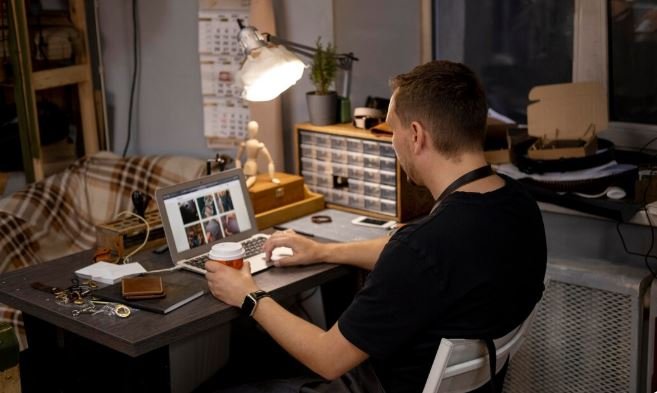
Work no longer lives in just one place. Hybrid schedules, creative pursuits, consulting, coaching, and remote leadership roles are changing what people expect from their homes. The traditional spare bedroom office often falls short when focus, professionalism, and creative flow are required in the same space. That shift is one of the reasons interest in custom ADUs in Rhode Island and Massachusetts continues to grow, especially among homeowners who want a dedicated environment separate from daily household distractions.
Instead of squeezing productivity into shared living areas, an ADU creates room for deeper work, clearer boundaries, and greater flexibility. Whether used for remote executive work, client-facing meetings, content creation, or artistic practice, these secondary spaces can be designed intentionally to support both structure and creativity without disrupting the rhythm of the main home.
A Space That Supports Focused Productivity
Hybrid work has changed the way people interact with their homes. It’s no longer just about having a desk and reliable internet. Video calls, deep-focus work, and collaborative sessions all demand different types of environments throughout the day. Trying to accommodate those shifts inside a shared living space often leads to constant compromises.
Designing an ADU specifically for work allows productivity to become intentional instead of improvised. Acoustic separation, controlled lighting, and thoughtful layout planning make it easier to transition into “work mode” without distractions from the main household. Even small design decisions such as entry placement or window orientation can create a psychological shift that reinforces focus and routine.
Over time, this separation helps maintain clearer boundaries between personal and professional life. Instead of work blending into evenings and weekends, the physical distance supports a more structured rhythm that many hybrid professionals struggle to maintain inside the primary home.
Creating a Professional Client-Facing Environment
For consultants, therapists, designers, coaches, or anyone hosting meetings, perception matters. Inviting clients into the main home can feel intrusive, while working from shared or rented spaces may lack consistency.
An ADU offers the opportunity to create a polished, welcoming setting without sacrificing privacy. Separate entrances allow clients to arrive and leave without moving through personal living areas, while intentional interior design can reflect a brand identity or working style.
This approach is especially valuable for those who need flexibility between virtual and in-person interactions. A space that feels calm, organized, and purpose-built often improves both client experience and personal confidence. The environment begins to support the work itself, rather than simply containing it.
Flexibility for Creative Work
Creative work rarely follows a strict schedule. Writers, musicians, designers, and content creators often move between bursts of energy and periods of reflection. An ADU makes it possible to shape a space that adapts to those rhythms instead of forcing creativity into multi-use rooms that must constantly be packed away or reset.
Higher ceilings, natural light, adaptable storage, and open layouts can all contribute to a setting that encourages experimentation and flow. Even subtle features like sightlines to outdoor space or dedicated zones for different types of work can influence how easily ideas develop. Rather than competing with daily household noise or interruptions, the creative process has room to breathe.
Designing for Long-Term Adaptability
One of the most overlooked advantages of building an ADU for hybrid work is its ability to evolve. Today’s office or studio may eventually become a guest suite, wellness space, or income-producing rental. Thoughtful planning during the design phase ensures the space remains functional beyond its initial purpose.
Neutral layouts, flexible utility planning, and future-ready infrastructure allow the ADU to shift alongside changing lifestyle needs. This adaptability often makes the investment feel less tied to a single use case and more aligned with long-term living strategies.