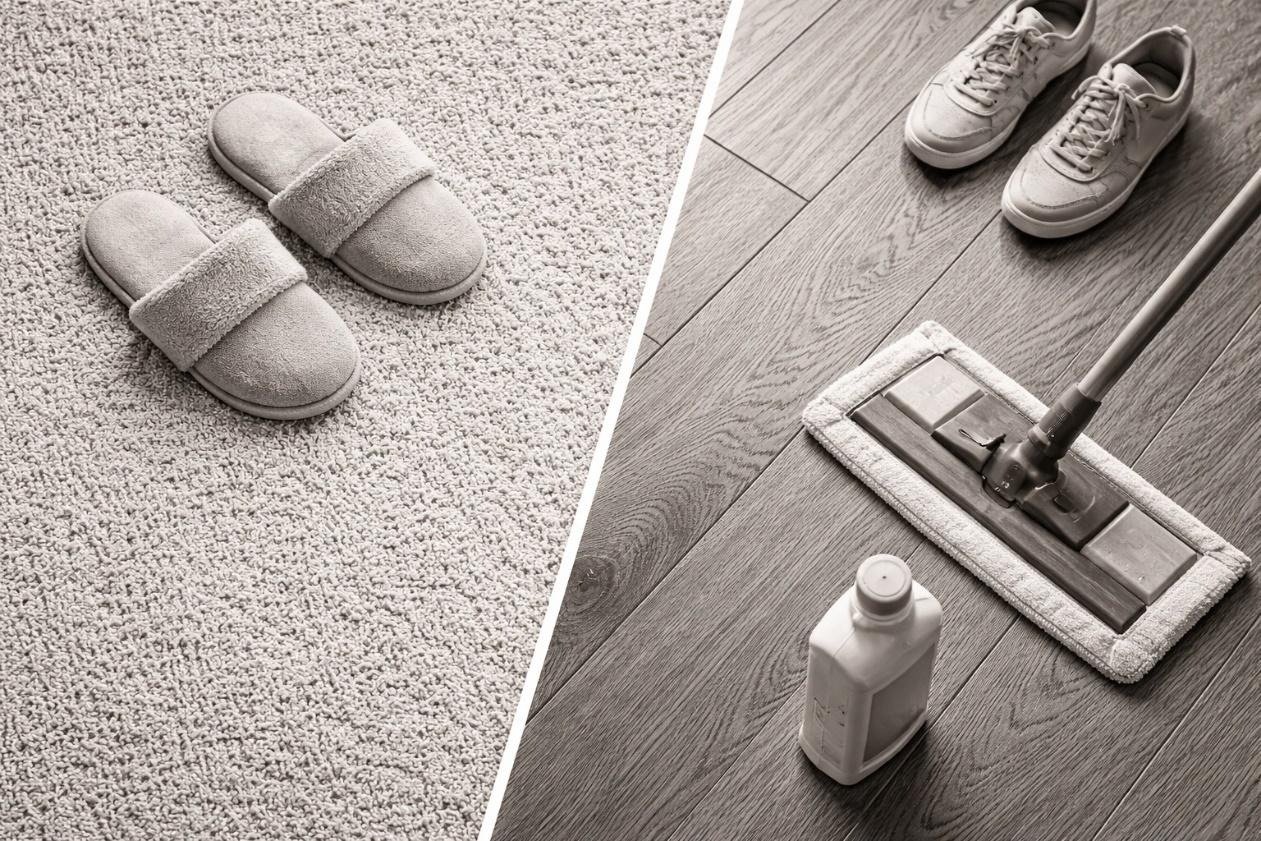
Choosing flooring for your home is a decision that blends function, comfort, and style. Whether you’re remodeling a single room or planning for an entire house, picking between carpet and hardwood often leads to tough questions. Which suits your lifestyle, which is easier to maintain, and how do you select the best option for each space? Let’s break down the key factors that should guide your decision.
Understanding What Each Room Needs
Flooring isn’t just about aesthetics; it’s about matching the surface to the demands of the room. Bedrooms, living rooms, kitchens, and hallways each serve different purposes, and the right floor can make a significant difference. For instance, bedrooms often benefit from the warmth and softness underfoot, while kitchens face spills and heavy foot traffic. Consulting professionals for flooring services near me can help you assess the unique requirements of each space, ensuring your choice aligns with both comfort and practicality.
The Allure and Comfort of Carpet
Carpet has long been the go-to for spaces where comfort is paramount. Its soft texture creates a cozy ambiance, making it ideal for bedrooms, family rooms, and kids’ play areas. Carpeting can also help insulate against noise and cold, delivering both acoustic and thermal benefits. However, carpet does require diligent upkeep, as it tends to trap dust, allergens, and stains more readily than hard surfaces. Vacuuming regularly and considering professional cleaning every so often helps maintain its appeal.
Carpet is generally not recommended for areas prone to moisture, like bathrooms or kitchens, because it absorbs liquids and can harbor mold. But when warmth and comfort are top priorities, especially in colder climates, carpet often stands out.
The Durability and Timelessness of Hardwood
Hardwood flooring brings natural beauty and lasting value to any home. Its durability makes it suitable for high-traffic areas such as hallways, living rooms, and foyers. Hardwood is relatively easy to clean, with spills requiring just a quick wipe. Its timeless appearance can boost property value and adapt to various design schemes, from classic to modern.
One of hardwood’s greatest strengths is its longevity. Properly maintained, hardwood can last for decades, and it can be refinished to restore its original shine. However, it is susceptible to scratches, dents, and water damage, so it may not be the best choice for bathrooms or laundry rooms. In these moisture-prone areas, choosing the Perfect Tile for Every Room can be a smarter alternative, as tile offers better resistance to water while still providing durability and style.
Key Factors to Consider When Choosing
Deciding between carpet and hardwood for different rooms involves balancing multiple elements. Here’s a checklist to guide you:
- Room Function: Is the space formal or casual, high-traffic or low-traffic?
- Comfort: Do you need a soft, warm surface, or is a firm, cool surface preferred?
- Maintenance: How much time are you willing to spend cleaning?
- Allergies: Does anyone in your household have sensitivities to dust or allergens?
- Aesthetics: What style do you envision for your home?
- Acoustics: Will noise reduction be important, as in bedrooms or media rooms?
- Budget: What is your price range for both installation and long-term care?
- Climate: Does your region have high humidity or cold temperatures?
This checklist can help clarify your priorities and match flooring types to your lifestyle and environment.
Installation Considerations and Local Expertise
No matter how carefully you select your flooring, quality installation is crucial for performance and appearance. For carpeting, professional installers ensure seams are invisible and padding is evenly distributed. If you’re considering carpet installation chicago, seeking local specialists familiar with climate and housing styles can lead to better results.
Hardwood installation, meanwhile, demands precise preparation of subfloors and acclimatization of wood planks to avoid warping or gaps. Local expertise is especially valuable when working with hardwood, as regional humidity can affect both installation and long-term durability.
Maintenance and Longevity: What to Expect
The difference in maintenance between carpet and hardwood is significant. Carpet requires regular vacuuming and periodic deep cleaning to keep it fresh and free of allergens. It is more susceptible to staining, especially in homes with pets or young children.
Hardwood’s main maintenance needs are sweeping, occasional mopping with a wood-safe cleaner, and promptly dealing with spills. While scratches can occur, they can often be sanded and refinished, extending the floor’s life. Ultimately, hardwood tends to s but both flooring types can last for years with the right care.
Style, Trends, and Resale Value
Flooring trends change, but some classics remain in demand. Hardwood floors are often seen as a timeless investment, appealing to future buyers and fitting with a wide range of interior styles. Carpets, on the other hand, offer more versatility with patterns, textures, and colors, allowing for greater personalization.
If resale value is a priority, hardwood generally edges out carpet. However, updated, high-quality carpeting in bedrooms or finished basements can still add appeal, especially when paired with modern decor.
When to Choose One Over the Other
The decision often comes down to context:
- Bedrooms and Nurseries: Carpet provides warmth, safety, and sound insulation.
- Living Rooms and Dining Areas: Hardwood offers elegance, durability, and easy cleaning.
- Basements: If moisture is a concern, consider synthetic carpet or engineered hardwood.
- Staircases: Both options work, but carpet can enhance safety by reducing slips.
- Entryways and Hallways: Hardwood stands up to heavy use and is easier to clean.
In some cases, combining both materials—such as hardwood in main areas and carpet in bedrooms—delivers the best of both worlds.
Local Flooring Expertise Matters
Flooring decisions are both personal and practical. Partnering with an experienced local provider, such as a hardwood floor company chicago, ensures you get advice tailored to your home’s needs, climate, and your own preferences. Local professionals can recommend products that stand up to regional conditions and offer guidance on trends that fit your neighborhood’s style.
Conclusion
Choosing between carpet and hardwood for different rooms in your home involves more than just aesthetic preference. It requires balancing comfort, maintenance, durability, and lifestyle needs for each space. By considering room function, local climate, and your family’s habits, you can make informed choices that serve you well for years. Whether you opt for the plush appeal of carpet or the enduring elegance of hardwood, thoughtful selection and expert installation will ensure your floors enhance both the beauty and function of your home.