As the winter months approach, property managers across colder regions face the annual challenge of keeping walkways, parking lots, and entrances safe from ice. Choosing the right de-icing product often seems straightforward, but with so many options—and risks to property and safety—it’s easy to make costly mistakes. Are you confident you know which product best fits your property’s unique needs?
Understanding the Basics: Types of De-Icing Products
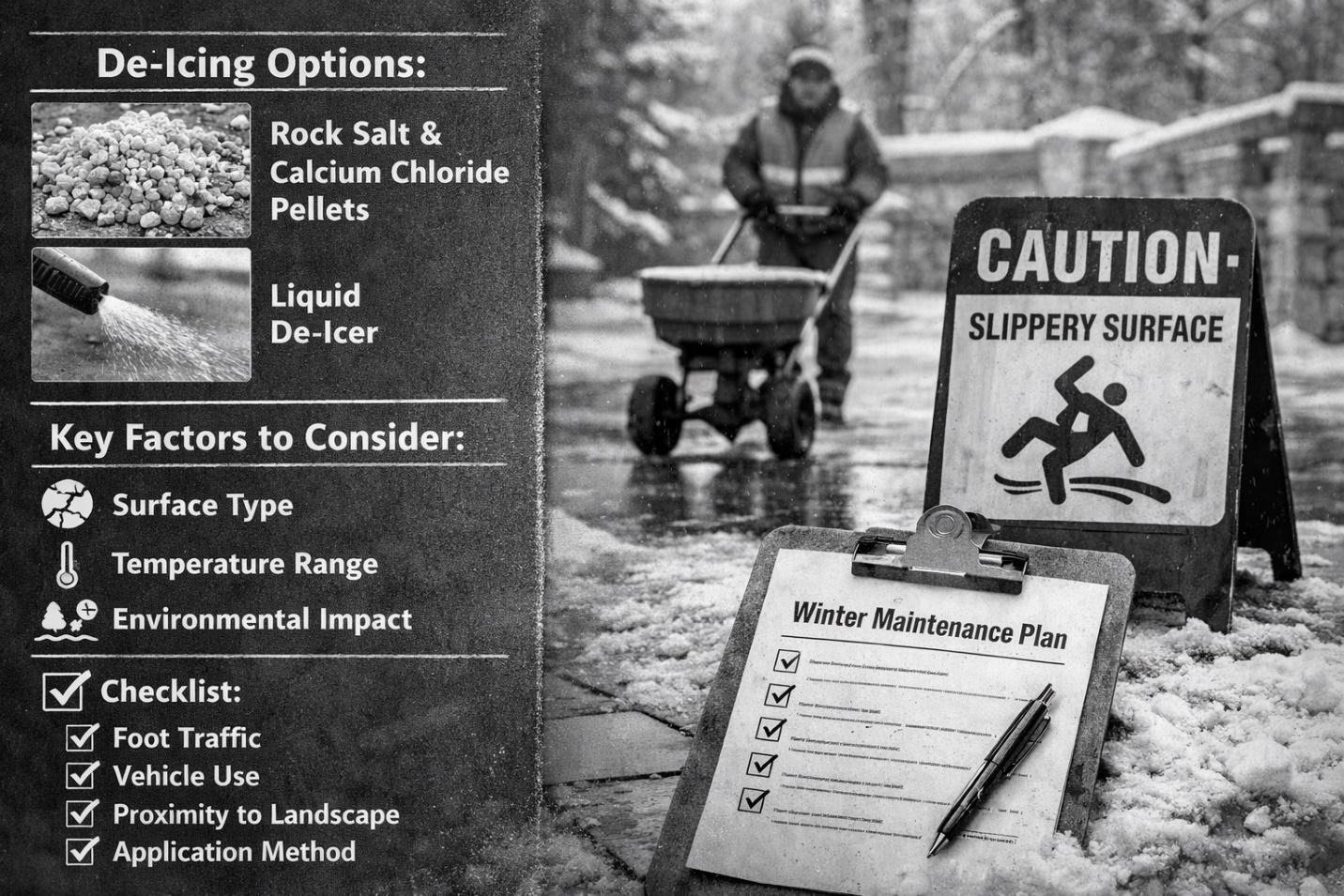
Before selecting a de-icing product, it’s vital to understand the main categories available. Property managers often default to searching for bulk rock salt near me, but there are significant differences among products on the market. Solid de-icers, like rock salt and calcium chloride pellets, are commonly used for their affordability and effectiveness at various temperatures. Alternatively, liquid de-icers are gaining traction for pre-treatment and rapid results.
The choice between solids and liquids depends on your site’s traffic, typical winter temperatures, and environmental considerations. The wrong product can either underperform or cause unnecessary damage to surfaces and landscaping.
Assessing Your Property’s Unique Needs
Every property is different—ranging from retail centers with high foot traffic to industrial lots exposed to heavy vehicles. Before choosing a de-icer, evaluate the specific needs of your location. Consider factors like the surface materials (concrete, asphalt, pavers), drainage patterns, and proximity to landscaping or waterways.
For instance, concrete less than a year old can be damaged by certain salts, while surfaces with frequent vehicle traffic may require faster-acting or longer-lasting products. Documenting these variables can help you avoid mismatched solutions that lead to property damage or ineffective ice control.
Environmental and Safety Concerns
Winter maintenance isn’t just about removing ice; it’s also about minimizing harm to the environment and people. Some de-icing chemicals can leach into soil and waterways, affecting plant life and aquatic systems as well as nearby commercial water drainage systems. Chloride-based products, in particular, have drawn attention for their environmental persistence.
If you manage a property near sensitive areas, such as parks or water features, you might consider alternative de-icers or those with additives to reduce leaching. Additionally, some products can increase slip hazards if over-applied or used incorrectly. Training staff and selecting the right product for application methods is just as important as the product choice itself.
Comparing Effectiveness and Application Methods
Effectiveness isn’t universal—some products work better at lower temperatures, while others are only suitable for mild winter conditions. For example, calcium chloride can work down to -25°F, whereas traditional rock salt loses its melting ability below 15°F.
Liquid de-icers can be sprayed on surfaces before a storm to prevent ice from bonding. This proactive approach can reduce the total amount of material needed and make post-storm cleanup easier. A helpful explanation of different chemical ice-melting methods can be found here. Granular products, on the other hand, are often used after ice forms or for spot treatment.
Checklist: How to Choose the Right De-Icing Product
Selecting the best product involves careful consideration. Use this checklist to make an informed choice:
- Identify your property’s primary surface material (concrete, asphalt, pavers).
- Assess the average winter temperatures in your area.
- Consider proximity to landscaping, water features, or sensitive environments.
- Evaluate the typical foot and vehicle traffic patterns.
- Determine if pre-treatment (anti-icing) or post-storm treatment is needed.
- Research application equipment and staff training requirements.
- Set a budget factoring in both product and labor costs.
- Check product labels for environmental certifications or warnings.
Following these steps can help you avoid the most common mistakes property managers make—such as overusing harsh chemicals or selecting products incompatible with your surfaces.
Sourcing and Logistics: Getting the Right Product on Time
Once you’ve determined your requirements, sourcing becomes the next challenge. Local availability can influence your product selection, especially during peak winter periods when supply chains are strained. Many managers look for ice melt suppliers near me to ensure timely delivery and avoid running out during a critical storm.
Establishing a relationship with local or regional suppliers can also provide access to expert advice, bulk pricing, and emergency deliveries. It’s wise to order early in the season and monitor inventory levels as winter progresses to prevent shortages.
Conclusion
Choosing the right de-icing product for winter property maintenance involves more than just picking the most popular option on the shelf—it also requires understanding how different products can prevent Winter Damage to surfaces and landscaping. It requires a careful assessment of property needs, environmental impacts, and logistical considerations. Whether searching for bulk rock salt, exploring new technologies like liquid de icing, or partnering with ice melt suppliers, the most effective approach is proactive and informed. By prioritizing safety, sustainability, and operational efficiency, property managers can ensure winter hazards are managed responsibly, protecting both people and property throughout the season.