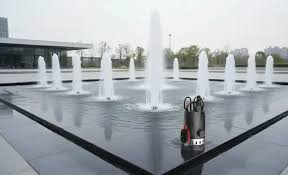
Buying the wrong pump is more common than people think. You pick something that looks right, the price seems fair, and two weeks later, the water barely moves, or the motor gives out. It’s frustrating. And it’s avoidable. Here is what to check before you spend a dollar on water pumps for fountains.
Flow Rate (GPH)
Flow rate tells you how much water the pump moves per hour. It’s measured in gallons per hour, or GPH.
Get this wrong and your water pumps for fountains either trickles or blasts. Neither is what you want.
A basic rule: your pump should circulate the full volume of your pond or basin at least once every hour. If your pond holds 500 gallons, you need a pump rated for at least 500 GPH. Some fountain designs need more. Tiered fountains or wide spray heads require higher flow to perform properly. Check the fountain manufacturer’s specs before assuming a mid-range pump will cover it.
- Measure your pond or basin volume before shopping.
- Match GPH to your pond size as a minimum.
- Add a 10 to 20 percent buffer for head height loss.
According to the U.S. Department of Energy, pump sizing is one of the most common causes of energy waste in residential water systems. Getting this right saves money long-term.
Head Height
Head height is the vertical distance the pump must push water from the surface to the top of the fountain. Most buyers skip this. That’s a mistake.
Every foot of vertical lift reduces the pump’s effective flow rate. A pump rated at 800 GPH at ground level might only push 400 GPH at four feet of lift. The packaging won’t always make that clear.
Check the pump’s performance curve, not just the headline GPH number. Reputable manufacturers publish this data in their product specs. If they don’t, that’s a red flag.
Here is why it matters: underpowered pumps work harder, overheat faster, and fail sooner. You end up buying two pumps instead of one.
Submersible or External
This is perhaps the first decision you should make, not the last.
Submersible pumps are installed inside the water. They are quieter, easier to install, and work best for most residential fountains and small to mid-size pond applications. They stay cool because of the water around them.
External pumps are installed outside the pond. They are best for larger volumes of water and are easier to access for maintenance. They also have a longer lifespan in continuous operation around the clock.
Most homeowners go submersible. It’s simpler. But if your pond holds over 1,000 gallons or your fountain runs all day, every day, an external pump may hold up better over time.
Think about how much access you want for cleaning and servicing. A submersible pump buried under rocks is not something you want to pull out in the middle of winter.
Energy Consumption
Fountain pumps run all day, sometimes all year. Energy costs add up fast.
Look at the pump’s wattage rating. A pump drawing 150 watts running 24 hours a day costs roughly $13 per month at average U.S. electricity rates, around $0.12 per kWh. That’s over $150 per year for a single pump.
Some magnetic drive pumps use far less energy than direct drive models. They’re worth considering if the pump runs continuously.
The Consortium for Energy Efficiency recommends comparing pump efficiency ratings, not just upfront cost. A cheaper pump that draws more power often costs more over its working life.
Submersible pumps are placed inside the water. They are quieter and easier to install. They are also suitable for most residential fountains and small to mid-size ponds. The water surrounding the pump also keeps it cooler.
External pumps are placed outside the pond. They are better for larger ponds and are also easier to access for maintenance. They are also better for continuous running.
Material and Build Compatibility
Not all pumps are compatible with all water conditions.
If your pond contains fish, algae treatments, or any kind of chemical additions, then the pump’s internal parts are important. This is because some pumps’ impellers and seals react badly to these chemicals. This doesn’t mean the pump is defective. It just means that the chemicals and the pump are not compatible.
Look for pumps with stainless steel or ceramic shaft components if you use any pond treatments regularly. Plastic impellers can crack in high-use setups over time.
One More Thing Worth Knowing
Pumps fail more often from wrong sizing than from product defects. Most returns and replacements trace back to a mismatch between what the pump can do and what the buyer assumed it would do.
Spend 20 minutes reviewing the specs before spending money on the pump. Measure your pond, calculate your head height, and match the GPH to what your fountain actually needs.
That’s the difference between a fountain that runs well for years and one that ends up sitting unused after the second season.